

The “MES PA 55219B Specification for Polypropylene (PP) Compound for Injection Molding (Automotive Interior and Exterior Parts)” standard, published under Mazda’s Mazda Engineering Standards (MES), details the mechanical, thermal, dimensional, and appearance properties of polypropylene (PP)-based injection molding materials used by Mazda (specifically for interior and exterior trim parts).
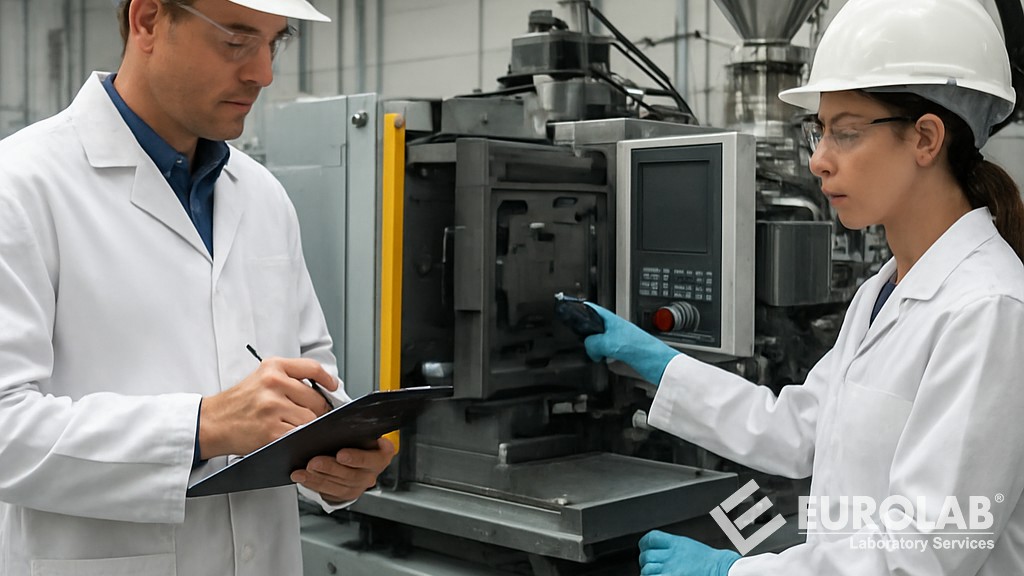
The purpose of this standard is to guarantee the performance, quality, and consistency of polypropylene (PP)-based injection molded materials used in interior and exterior trim parts (bumper brackets, radiator grille, door trims, pillar trims, trunk sill, fender flares, liner grilles) used by Mazda worldwide.
With this standard, Mazda achieves the following goals:
In the complex world of automotive manufacturing, where precision meets innovation, engineering standards serve as the invisible architects of reliability and performance. Among these, the Mazda Engineering Standards (MES) suite stands out with its rigorous quality control approach, ensuring every component, from engine parts to interior fittings, meets demanding criteria. One such standard, MES PA 55219B, serves as a key guide within this ecosystem. The “PA” series of these standards is designed for parts and assemblies, emphasizing durability and functionality for both interior and exterior components.
MES standards are also applicable protocols for suppliers. Compliance requires rigorous testing in line with international norms. Non-compliance can lead to rejected shipments, delays, or contract termination.
The MES PA 55219B standard focuses on specific component evaluations or assembly techniques. This standard addresses advanced testing protocols for components exposed to environmental stressors such as humidity, temperature fluctuations, or mechanical wear. For example, it can define methods for evaluating seals or gaskets in door assemblies, providing water ingress resistance up to IP67 levels or vibration tolerance exceeding 20 Hz. The “B” revision of this standard refers to an update incorporating feedback from real-world fleet data or regulatory changes such as enhanced electromagnetic compatibility (EMC) requirements under EU directives.
Suppliers throughout the automotive supply chain, from first-line assemblers to specialist coating companies, refer to these standards during quality control checks. Mazda’s green purchasing guidelines further integrate these standards into its sustainability efforts, mandating environmentally friendly materials compliant with MES PA protocols.
The fundamental elements of the MES PA standards are as follows:
This table addresses recurring themes that position the MES PA 55219B standard as a specific extension for hybrid or electric vehicle interfaces, given Mazda's move towards electrification in some models.
The ripple effects of standards like MES PA 55219B extend far beyond Mazda’s assembly lines. In a time of supply chain disruptions, sometimes exacerbated by chip shortages and geopolitical tensions, these protocols enhance resilience. Suppliers investing in MES compliance gain a competitive advantage, often obtaining ISO 17025 certification for tests such as airbag static deployment. For Mazda, this means fewer recalls. The company owes much of its low defect rate to this rigorous oversight.
In the coming period, as we redefine autonomous driving and connected vehicles, revisions to MES PA 55219B and similar standards will likely include AI-powered simulations and cybersecurity controls.
In conclusion, the MES PA 55219B standard embodies Mazda's philosophy: precision engineering that elevates everyday driving to the next level. In an industry racing towards zero-emission and software-defined vehicles, standards like these ensure that innovation doesn't compromise on fundamental elements like safety and durability.
For many years, our organization, with its competent and experienced staff, has been understanding the needs of its customers, providing the advanced testing services they require, and assisting in the establishment, implementation, and improvement of management systems. Within this framework, we also provide testing services to businesses in accordance with the "MES PA 55219B Specification for polypropylene (PP) compound for injection molding (automotive interior and exterior parts)" standard.
To get an appointment, to get more detailed information or to request an evaluation, you can ask us to fill in our form and reach you.

