

"FMVSS 110 Tire Selection and Rims for Motor Vehicles with a GVWR of 4.536 kg (10.000 lbs) or Less," published under the Federal Motor Vehicle Safety Standard (FMVSS) established by the National Highway Traffic Safety Administration (NHTSA), describes requirements for tire selection and recreational vehicle trailer load-carrying capacity information to prevent tire overloading on motor vehicles. This standard applies to motor vehicles, excluding motorcycles, with a GVWR of 4.536 kg (10,000 lbs) or less, and their non-pneumatic spare tire assemblies.
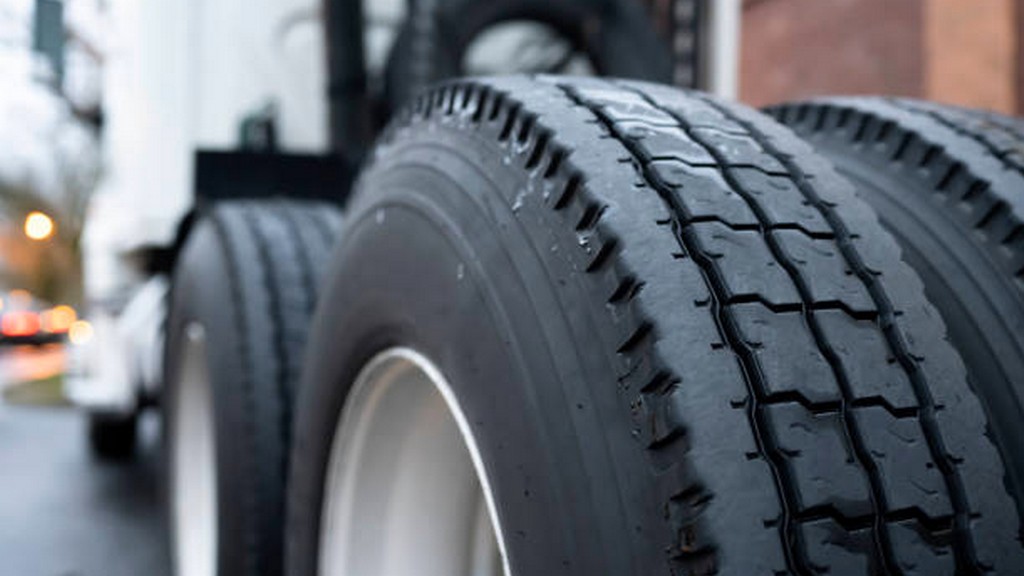
The gross vehicle weight rating (GVWR) is the maximum loaded weight of a vehicle or trailer, as determined by the manufacturer. The GVWR includes not only the weight of passengers and cargo but also the vehicle itself. The gross vehicle weight rating is all about safety.
Subject to the exceptions specified in this standard, vehicles must be equipped with tyres that meet the requirements of standard 571.109 “New pneumatic tyres, bias-ply tyres and T-type spare tyres for vehicles manufactured between 1949 and 1975”.
Passenger cars may be equipped with pneumatic T-type temporary spare tire assemblies that meet the requirements of standard 571.109 or non-pneumatic spare tire assemblies that meet the requirements of standard 571.129 and FMVSS 110. Passenger cars equipped with non-pneumatic spare tire assemblies must also meet the requirements of this standard.
Trailers may be equipped with SI tires, FI tires, or tires with rim diameter code 12 or less that meet the requirements of standard 571.119.
The following requirements for tire load limits for passenger cars are established:
The FMVSS 110 standard plays a crucial role in ensuring the safety and reliability of passenger vehicles. By regulating tire and wheel selection for motor vehicles, it aims to minimize the risk of tire failure and improve overall vehicle safety.
This standard specifies the following general requirements:
This standard primarily applies to passenger cars, multi-purpose passenger vehicles, trucks, and buses with a gross vehicle weight rating (GVWR) of 4.536 kilograms or less. Motorcycles and trailers are excluded from the scope of this standard.
The key requirements of the FMVSS 110 standard are:
This allows users to maintain correct inflation pressure and avoid overloading, which is critical for safe use.
The FMVSS 110 standard is important because it directly protects drivers, passengers, and vehicles from the serious risks posed by tire-related failures. This standard is important for the following reasons:
Ultimately, the FMVSS 110 standard is a fundamental safety regulation. It protects lives by ensuring every vehicle leaves the factory with safe tires, accurate load and pressure information, and the proper equipment for safe operation under normal driving conditions. By ensuring proper tire selection, inflation, and load capacity, it helps reduce the risk of accidents due to tire failure and makes the roads safer for everyone.
Our organization, which has been supporting businesses across all sectors for years through a wide range of testing, measurement, analysis, and evaluation activities, has a strong team of employees who closely follow global developments in science and technology and are constantly improving themselves. In this context, we also provide testing services to businesses in accordance with the "FMVSS 110 Tire Selection and Rims for Motor Vehicles with a GVWR of 4.536 kg (10.000 lbs) or less."
To get an appointment, to get more detailed information or to request an evaluation, you can ask us to fill in our form and reach you.

