

The “Ford FLTM BN 156-01 Electrical Resistance Test (Surface Resistance) for Textile Materials” standard, developed by Ford Motor Company (Ford), describes a test method used to determine the electrical surface resistance of textile materials used in vehicle interiors. This standard indicates the material's tendency to accumulate static electricity by evaluating how easily electrical charges dissipate on a textile surface. This method is commonly applied to automotive fabrics used in seats, headliners, door panel trims, carpets, and other interior components.
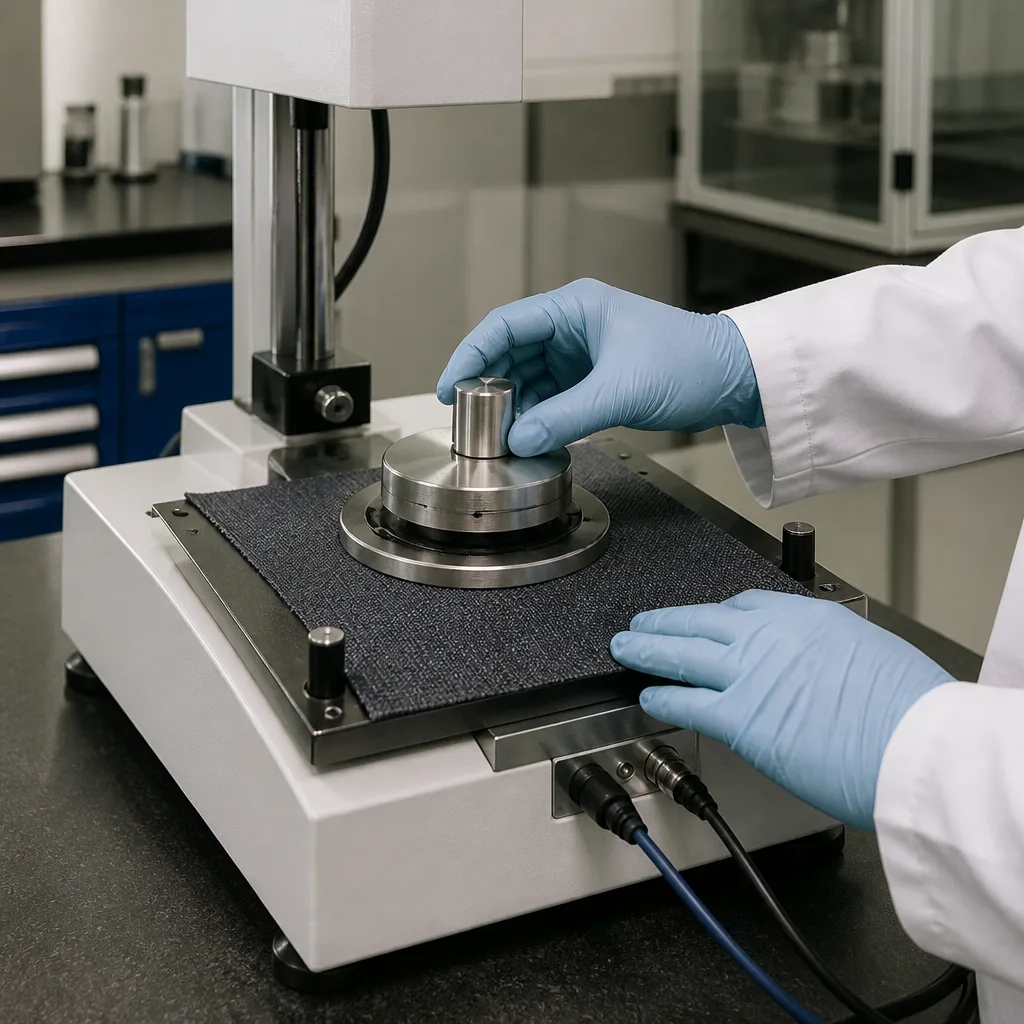
The primary purpose of the Ford FLTM BN 156-01 standard is to measure the electrical resistance properties of textile materials and determine their ability to dissipate electrostatic charges. Materials with excessively high resistance can accumulate static electricity, which can lead to:
By establishing a standardized testing procedure, Ford verifies that interior textile materials meet the required antistatic performance specifications before vehicle production begins.
In principle, this test measures the surface electrical resistance of a textile sample under controlled environmental conditions. Special electrodes are placed on the material's surface and a voltage is applied. The resulting electric current is measured and used to calculate the material's resistance. The measured resistance indicates how easily electrical charges can move across the textile surface.
The procedure typically requires conditioning the sample at specific temperature and humidity levels, as humidity significantly affects textile conductivity.
The Ford FLTM BN 156-01 standard is generally used in the following areas:
This method helps engineers compare alternative materials and verify their suitability for Ford's internal performance requirements.
Several material properties affect test results. Factors influencing electrical resistance include:
Manufacturers often use conductive fibers or antistatic coatings to achieve the desired resistance values. These processes can significantly improve electrostatic performance while maintaining appearance and comfort.
Modern vehicles incorporate numerous electronic systems, including the following:
Textile materials that accumulate excessive static electricity can contribute to electrostatic discharge events. Testing according to the Ford FLTM BN 156-01 standard helps ensure that interior materials support both passenger comfort and electronic reliability.
The benefits of using the Ford FLTM BN 156-01 standard are as follows:
Since many automotive interior components are textile-based, surface resistance testing has become a crucial part of material qualification programs.
The Ford FLTM BN 156-01 standard is important because it evaluates the electrical surface resistance of automotive textile materials and helps ensure that interior fabrics used in vehicles perform safely and consistently throughout the vehicle's lifespan. The main reasons this standard is considered necessary are as follows:
The Ford FLTM BN 156-01 standard is generally applied in the following areas:
In short, this standard helps control static electricity, improve passenger comfort, protect vehicle electronics, and ensure consistent material quality. As vehicles become increasingly electronic and connected, controlling the electrostatic behavior of interior materials is becoming a critical aspect of automotive materials engineering.
In summary, the Ford FLTM BN 156-01 standard is a specialized automotive textile testing method that measures surface electrical resistance and assesses a material's ability to dissipate electrostatic charges. This standard helps automotive fabrics maintain acceptable antistatic performance, contributing to passenger comfort, cleanliness, and compatibility with modern vehicle electronics. As vehicle interiors become increasingly complex and electronically integrated, electrical resistance testing remains a fundamental element of textile material validation.
For many years, our organization, with its competent and experienced staff, has been understanding the needs of its customers, providing the advanced testing services they require, and assisting them in the establishment, implementation, and improvement of management systems. Within this framework, we also provide testing services to businesses in accordance with the Ford FLTM BN 156-01 standard.
To get an appointment, to get more detailed information or to request an evaluation, you can ask us to fill in our form and reach you.

