

Developed by BMW, a leading German multinational company in the automotive sector, the “BMW PR 506 Fingerprint Test for Interior Surfaces” standard describes a specific test method developed to evaluate the resistance of vehicle interior surfaces to fingertip abrasion or simulated human touch/fingerprint marks. This standard involves simulating repeated contact from human fingers over time, such as touching buttons, upholstery, touchscreens, gear selectors, door handles, or other interior components. This method assesses how well materials and coatings on plastic, painted, or functional surfaces withstand:
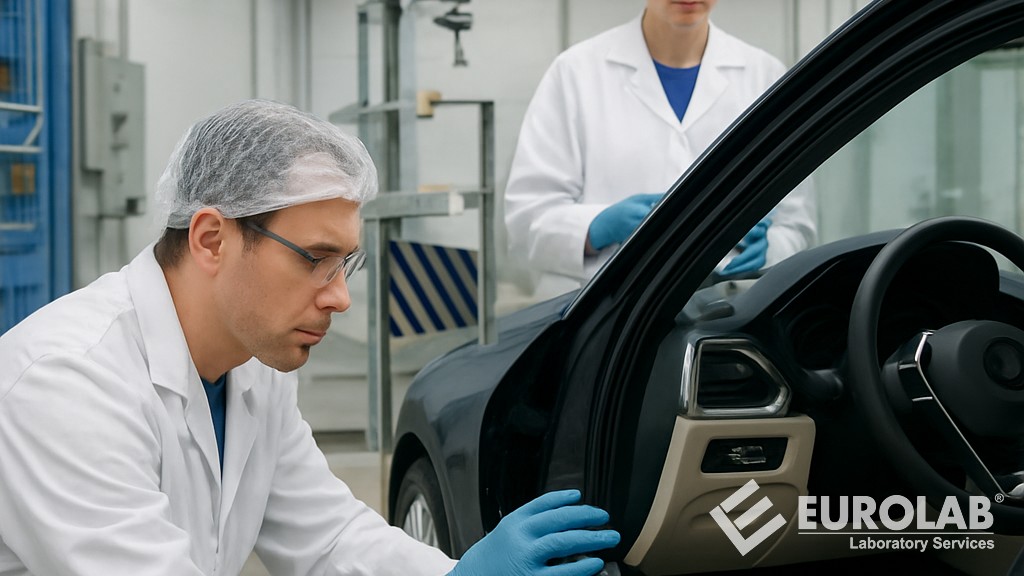
This standard is part of BMW’s broader requirements for interior material quality and durability, ensuring vehicles maintain a superior feel and look even after years of use. Advanced laboratories and suppliers utilize specialized equipment, such as the Abrex abrasion tester, to accurately perform this test. This device simulates fingertip/hand contact under controlled conditions (load, speed, cycles, and sometimes artificial skin oils or soil/dirt simulators).
The purpose of this standard is to verify that interior trim components (especially frequently touched areas within the cabin) maintain their aesthetic and functional quality. It is generally referenced in conjunction with the following standards:
For painted plastic parts on the exterior, interior, and engine compartment (single coat and multi-coat painting).
Devices like Abrex, used in tests, simulate dynamic finger movement with precise control over force, cycles (up to millions), and the environment (e.g., artificial fingerprints or dirt).
This method applies to painted plastics, functional coatings (e.g., gear levers or logos), hard coatings, and other interior materials.
BMW places great emphasis on interior quality, particularly in luxury and premium models. Poor resistance to fingerprints or wear can lead to visible deterioration, customer complaints, and a decrease in perceived value. The BMW PR 506 standard helps suppliers and BMW ensure that materials meet stringent durability specifications before production approval.
This test is a material testing specification used entirely in quality assurance and supplier verification. For those working on material certification, supplier testing, or automotive interior development, this standard is a key requirement for BMW for high-contact surfaces.
The BMW PR 506 standard is a critical standard of quality and durability for BMW because it directly addresses one of the most common real-world complaints about premium vehicle interiors: visible wear, stains, and deterioration from everyday human contact.
This standard is considered important for the following reasons:
This undermines the sense of luxury and can make even a well-maintained car look neglected, negatively impacting its resale value and brand image.
In conclusion, the BMW PR 506 standard is not merely a technical procedure; it is a crucial tool BMW uses to deliver on its promise of superior driving experience.
For many years, our organization, with its competent and experienced team, has been understanding the needs of its clients, providing the advanced testing services they require, and assisting them in the establishment, implementation, and improvement of management systems. Within this framework, we also provide testing services in accordance with the BMW PR 506 standard.
To get an appointment, to get more detailed information or to request an evaluation, you can ask us to fill in our form and reach you.

