

The standard “Volvo STD 1026-8177 Chemical resistance - Surface treatments” developed by the Volvo car company describes testing methods for determining the chemical resistance of different types of surface treatments. This standard can be used for different types of surface treatments, even if the word paint is used in the text. When specifying requirements in accordance with this standard, the test fluids to be used should be specified together with the acceptable degree of swelling or discoloration.
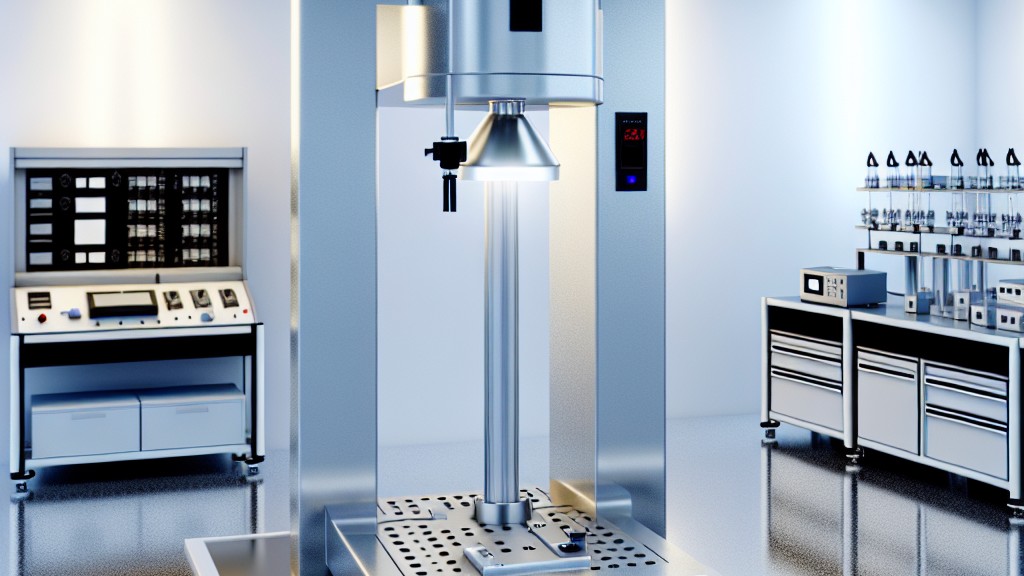
The device used in these tests includes the following equipment:
When performing tests, test panels coated with the relevant paint material, dried and conditioned in accordance with the STD 1021,5211 standard, or parts coated with the relevant paint material in accordance with the applicable specifications are used for paint materials in accordance with the STD 1021,1 standard.
The test fluids (chemicals) to be included in the test are decided in joint consultation by the responsible design engineer and the test facility. For truck chassis parts, unless otherwise specified in the design engineering documents, resistance to the following chemicals is tested: diesel, washer fluid, battery acid, white spirit and urea in water solution. Further information is provided in the table within the standard.
The test is carried out at room temperature (50014-18 degrees) in accordance with the standard "DIN 28 Climates and technical applications - Standard atmospheres". When testing highly volatile liquids, a synthetic sponge is dipped into the test liquid, placed on the painted surface and, if possible, a crucible placed on top. When testing low volatile liquids, these liquids are dripped onto the painted surface and a crucible placed on top.
When testing the wash liquid, free evaporation also applies. The painted surface is exposed to both 33 percent and 100 percent wash liquid concentrations. The volume is approximately 0,5 ml/drop. The wash liquid is allowed to evaporate freely for 2 hours.
When the test period is over, the synthetic sponge is removed with the crucible and the rest of the test liquid. If the liquid is water miscible, the painted surface is first washed with water. If the test liquid is not water miscible, it is wiped with soft and dry kitchen paper or a low aromatic solvent. The painted surface is then dried with soft kitchen roll paper.
The test surface is evaluated 24 times after removal of the test liquid.
All chemicals are subjected to an adhesion test. It should not be possible to remove the paint film from the surface under test by scraping it off with a fingernail. The adhesion of the exposed surface may differ only marginally from the adhesion of the unexposed part of the painted surface.
Swelling change is evaluated according to the following rating scales.
The evaluation of color change is based on the following grading scale:
The report to be prepared at the end of the test includes:
Among the numerous tests, measurements, analyses and evaluation studies carried out for businesses in various sectors, our organization also provides testing services defined in the “Volvo STD 1026-8177 Chemical resistance - Surface treatments” standard with its trained and expert staff and advanced technological equipment.
To get an appointment, to get more detailed information or to request an evaluation, you can ask us to fill in our form and reach you.

