

The Toyota TSH1520G Paint Film Light Transmittance Test Method, a Toyota engineering standard, describes the formal test method for measuring the light transmittance of paint films used in automotive applications. The primary purpose of this standard is to evaluate how much visible light passes through a cured paint film (typically on plastic or metal surfaces of vehicle parts such as bumpers, body panels, interior trim, or decorative elements). Light transmittance is an important quality metric for:
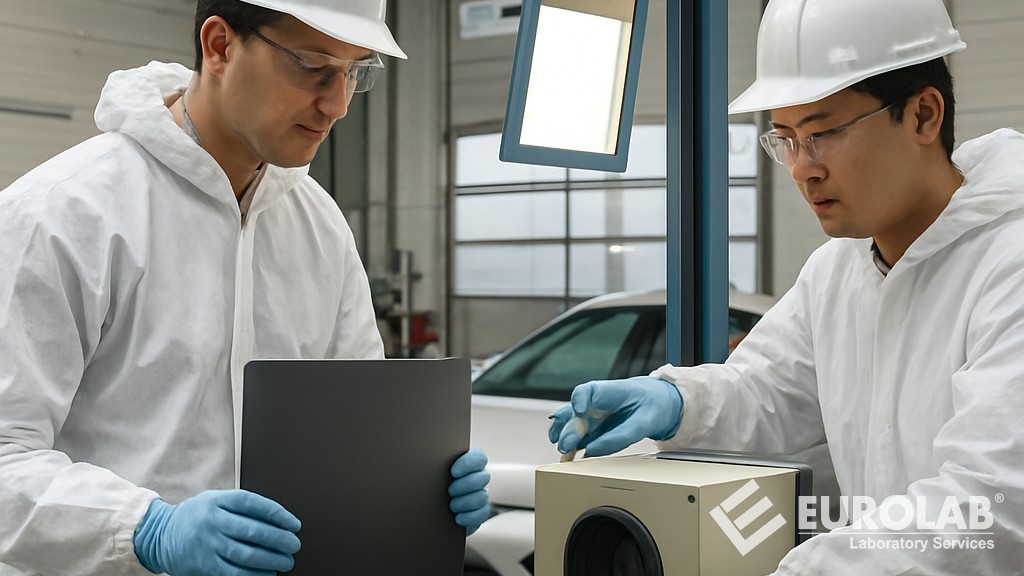
In principle, it involves using a spectrophotometer or turbidity meter to measure the percentage of light passing through a prepared dye film sample (most often applied to a transparent substrate or measured in transmission mode).
This standard is commonly used as a reference in automotive parts testing laboratories for the qualification of paints on interior and exterior components. For Toyota suppliers, it is included in the list of required tests, along with methods for corrosion, adhesion, and environmental resistance.
Vehicle paint films must strike a balance between durability, color retention, gloss, and optical clarity. Low light transmittance, poor pigment dispersion, excessive cloudiness due to fillers/additives, or deterioration over time can reveal defects. Compliance with the Toyota TSH1520G standard helps prevent problems during final vehicle assembly and protects Toyota's reputation for high-quality coatings.
In short, the Toyota TSH1520G standard is primarily applied to evaluate the optical properties of vehicle coatings and to ensure consistent appearance and quality in painted components. The purpose of this standard is to measure how much light passes through a paint film applied to automotive parts. This property, called light transmittance, is important for:
By standardizing its measurement method, Toyota ensures that the coatings used in vehicle production meet stringent visual and functional quality requirements.
The Toyota TSH1520G standard applies to automotive paint films used in multi-layer coating systems. This standard evaluates coatings that typically consist of three layers, for example:
These layers form a typical protective and decorative coating system used in the finishing of vehicle bodies and components.
The method measures the amount of light passing through a coated sample using optical measurement equipment. This process involves:
Lower transmittance values generally indicate a more opaque coating, while higher values indicate greater transparency.
To ensure reliable results, the standard defines specific requirements for test samples:
These preparatory steps ensure that the optical measurement reflects the true performance of the coating material.
Typical equipment used in tests includes:
The equipment measures the intensity of light before and after it passes through the coating layer.
The Toyota TSH1520G standard is primarily used in vehicle manufacturing in the following areas:
This standard is particularly important for coatings where optical properties affect product appearance, such as interior trim, decorative coatings, and specialty paints.
The Toyota TSH1520G standard is closely related to the following other Toyota paint/coating standards:
These standards help ensure that suppliers and Toyota's production meet stringent criteria for paint quality for vehicles manufactured worldwide.
In conclusion, the Toyota TSH1520G standard is a specialized internal test standard used to measure the light transmittance of automotive paint films. By defining sample preparation, measurement methods, and evaluation criteria, it ensures that paint coatings used on vehicles maintain consistent optical quality, durability, and appearance throughout production.
For many years, our organization, with its competent and experienced staff, has been understanding the needs of its customers, providing the advanced testing services they require, and assisting them in the establishment, implementation, and improvement of management systems. Within this framework, we also provide testing services compliant with the Toyota TSH1520G standard.
To get an appointment, to get more detailed information or to request an evaluation, you can ask us to fill in our form and reach you.

