

The “VW TL 52652 ASA and PC Polymer Blends - Material Requirements” standard, developed by the Volkswagen automotive company , describes the requirements for ASA and PC polymer blend materials used in the interior trim of vehicles, particularly for unpainted upholstery and trim.
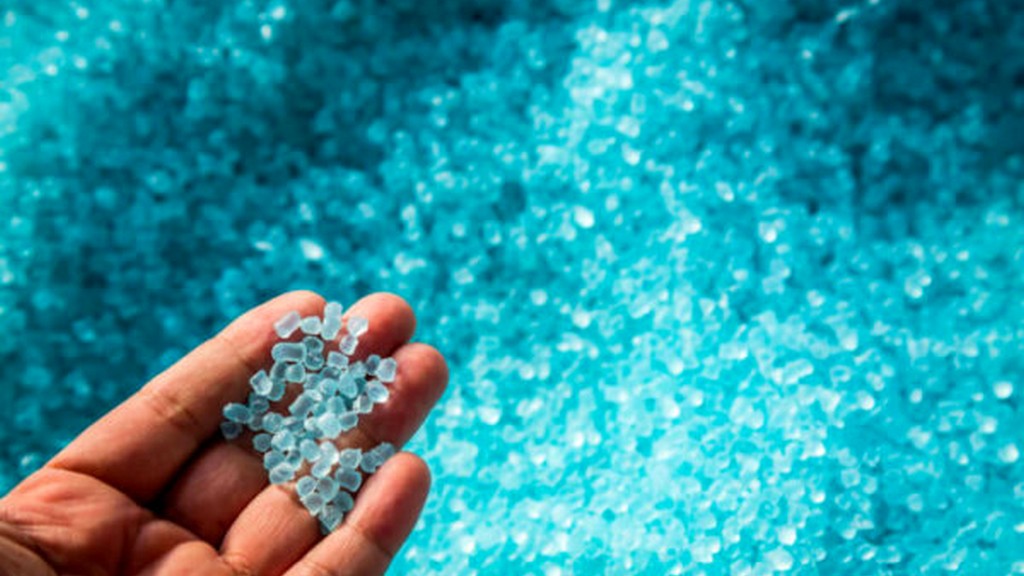
ASA and PC/ASA, acrylic-styrene-acrylonitrile terpolymer (ASA) is an amorphous thermoplastic material that provides good resistance to both ultraviolet light and moisture. PC/ASA is an amorphous thermoplastic alloy of polycarbonate (PC) and ASA that provides improved heat resistance and improves mechanical properties.
Polycarbonate (PC) and acrylic-styrene-acrylate (ASA) are blends of two engineering thermoplastics. Such blends are often called alloys because they combine the desired properties of each component. The PC/ASA alloy is an opaque material that offers weather resistance and excellent thermal and mechanical properties. Key mechanical properties include dimensional stability, toughness, and hardness. Blends of PC and ASA provide higher toughness and a higher heat deflection temperature than ASA alone, and better weather resistance and easier processing than PC alone. PC/ASA alloys can be used in injection molding, blow molding, extrusion, and thermoforming processes.
Because of these properties, ASA and PC polymer blends are widely used in the automotive industry. These blends are widely used in unpainted automotive exterior and interior parts that require excellent aesthetics and weather resistance, such as mirror housings and grilles. In addition, the new flame retardant PC/ASA compound uses a halogen-free flame retardant system. With its excellent weather resistance, it is ideal for outdoor electrical equipment housings and medical and dental device housings that are exposed to strong interior lighting and UV sterilization. ASA plastic can also withstand extreme high and low temperatures and a variety of chemicals, such as saturated hydrocarbons, aqueous salt solutions, weak acids and alkalis, and many oils.
Polycarbonates (PC) are used in the automotive industry due to their high physical and mechanical properties such as high impact resistance and ductility. Polycarbonates are blended with ABS (acrylonitrile-butadiene-styrene) and ASA (acrylonitrile-styrene-acrylate) terpolymers for interior and exterior applications of automotive components to obtain good physical and mechanical properties.
One reason why such alloys are chosen for interior applications is the requirement for IZOD impact resistance greater than 40 kJ/m2. Recently, UV stabilized PC/ASA grades are being developed for unpainted exterior applications.
Polycarbonate/acrylonitrile styrene acrylate blends (PC/ASA) offer many of the same benefits as ASA, but offer higher mechanical properties and higher temperature resistance than polycarbonate alone. Key features of this compound include excellent resistance to weathering and UV degradation, resistance to color fading, retention of properties over time, temperature resistance and excellent mechanical properties.
Typical applications for these alloys are anywhere good UV resistance and good mechanical properties are required, such as automotive roof rail components, golf cart roofs, jet skis, motorcycle components and cell phone cases.
Among the numerous testing, measurement, analysis and evaluation studies carried out for businesses in various sectors, our organization also provides testing services defined in the “VW TL 52652 ASA and PC polymer blends - Material requirements” standard with its trained and expert staff and advanced technological equipment.
To get an appointment, to get more detailed information or to request an evaluation, you can ask us to fill in our form and reach you.

