

The “Fiat 50405-02 Determination of Tensile and Compressive Properties of Expanded Polyurethanes ” standard, developed by the Fiat automobile company , describes the procedures to be followed and the equipment to be used to determine the tensile and compressive properties of cellular plastic materials, unless otherwise specified in a particular specification.
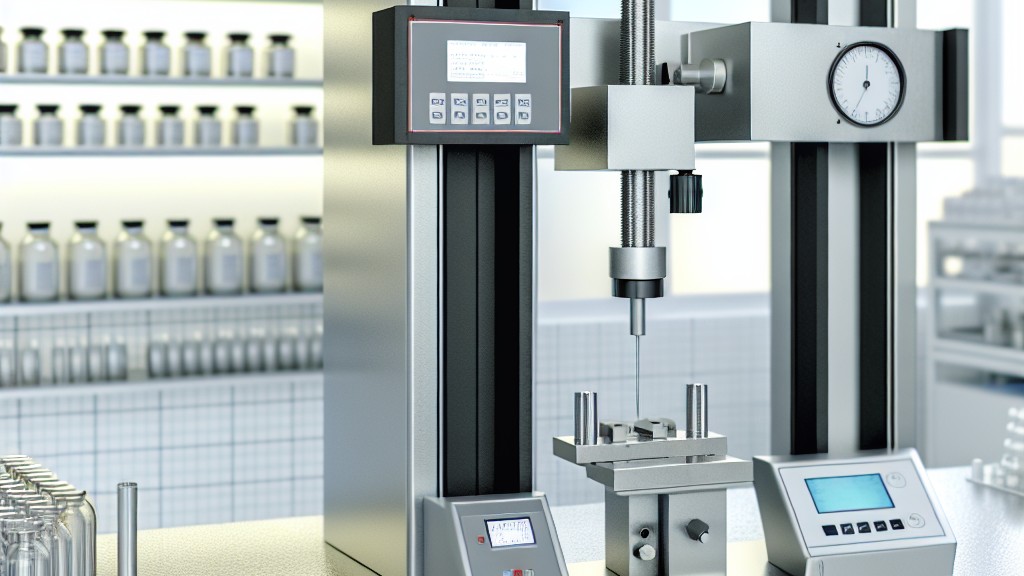
Expanded polyurethane is a versatile material used primarily for thermal and acoustic insulation. This polymer is valued for its insulating abilities, but its applications vary depending on the specific properties of the variant used.
This material provides excellent thermal insulation. Due to its low thermal conductivity, rigid expanded polyurethane is among the most effective materials for reducing heat loss in automotive industry applications. This feature provides high performance with thinner layers compared to other insulation materials.
At the same time, this material is a strong acoustic insulation material. Flexible expanded polyurethane is particularly suitable for sound insulation, especially in open-cell structures, by reducing both airborne and impact noise.
It is also lightweight and offers mechanical strength. This material is very lightweight, making it easy to install and suitable for applications such as the automotive and aerospace industries where weight is a critical factor. It also offers good mechanical strength.
Finally, thanks to its closed cell structure, rigid expanded polyurethane is highly resistant to moisture and chemicals. This feature makes it suitable for the insulation of pipes, tanks and other infrastructures exposed to harsh environmental conditions.
Additionally, polyurethane foam is often used as an additional material inside the airbag, as it expands upon impact, providing additional cushioning and support to protect the occupants from injury. Sealing gaps around doors and windows is important to maintaining the integrity of a vehicle's interior.
In tensile strength and elongation at break tests, at least 5 test tubes are cut from the part to be examined, in the shape and dimensions shown in the standard. If necessary, the sampling position should be shown on the drawing. Dimensions are in mm. A 25 mm useful line is marked to determine the amount of elongation at break of the test pieces, the surfaces of which should be free of leather. While the test is being applied, the test tube is placed between the grips of the dynamometer and pulled at a progress speed of 500 mm/min plus/minus 25 mm/min.
The breaking load and the elongation at breaking are calculated using the formula given in the standard and the arithmetic average of the five determinations is taken. The determined values are recorded in the "Property Table" given in the annex of the standard and compared with the predicted values.
In compression strength tests, 100 parallelepiped test tubes with dimensions of 100 mm x 50 mm x 5 mm are taken from the sample under examination and the cell-free outer membrane inside is removed. While performing the test, the flat support is fixed to the dynamometer support surface. The flat pressure plate is applied to the moving plate of the dynamometer. The test tube is placed on a flat support. The X - Y recorder is applied to the dynamometer. The dynamometer is operated at a feed rate of 50 mm/min until the test piece is compressed to 50 percent of its thickness and then the load is released at the same speed. The hysteresis curve is determined from the recorder and the “Characteristics Table” in the appendix is recorded. The measurement is repeated using the same methodology in at least 5 test tubes and the hysteresis curves are always recorded in the “Characteristics Table”. 24 hours after the tests are performed, the thickness values of the test pieces are determined and noted. The measurement can also be made at temperatures other than room temperature (hot-cold) provided that the test tubes have been conditioned using the thermostatic cell at the prescribed temperature for at least 2 hours beforehand. The resulting diagram will have a trend of the type shown in the figure.
While evaluating the results,
Our organization has a strong staff that closely follows the developments in the world in the field of science and technology and constantly improves itself. Among the numerous test, measurement, analysis and evaluation studies provided for businesses in various sectors, there are also testing services in accordance with the standard “Fiat 50405-02 Determination of tensile and compressive properties of expanded polyurethanes”.
To get an appointment, to get more detailed information or to request an evaluation, you can ask us to fill in our form and reach you.

