Ford EU AN 1-1 Resistance of Textile Materials to Color Fading, Perspiration and Water Stains
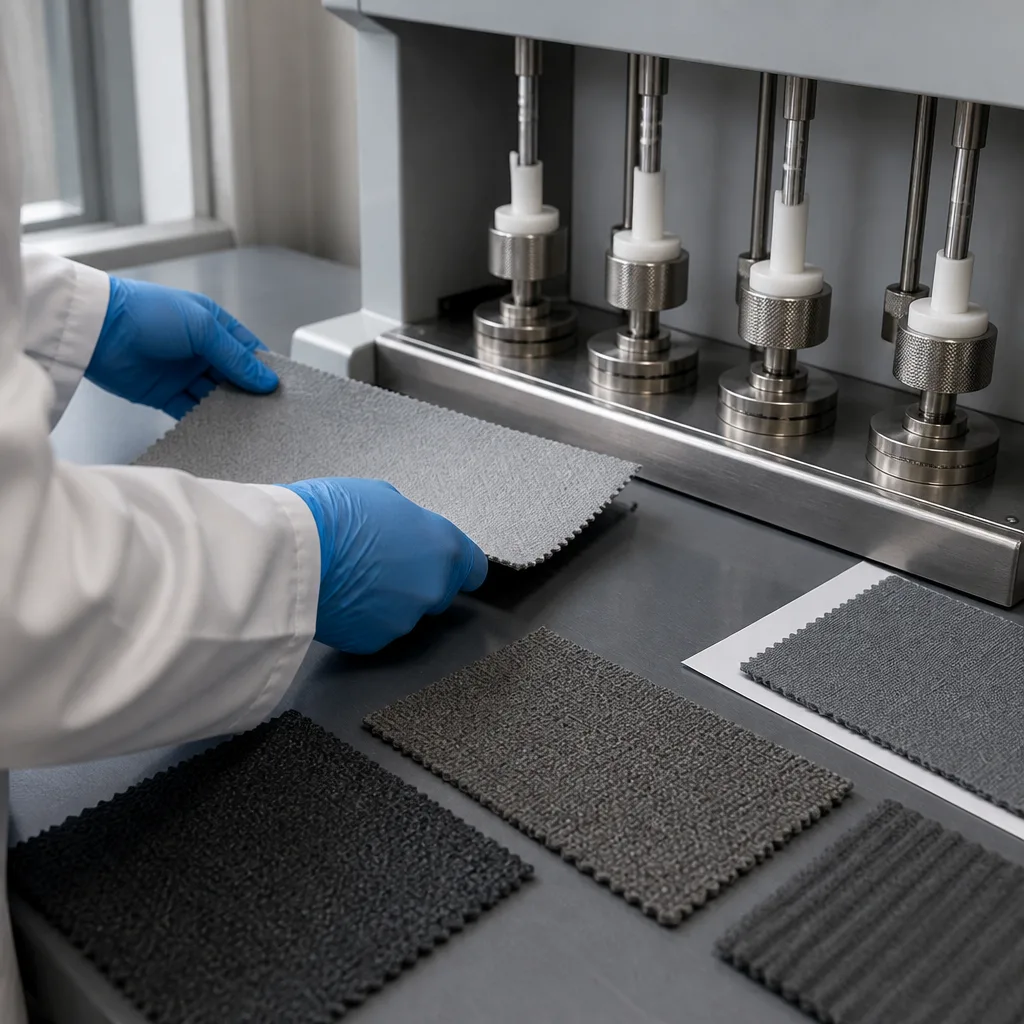
Developed by Ford Motor Company (Ford), the “Ford EU AN 1-1 Resistance of Textiles to Color Fading, Perspiration and Water Stains” standard is a laboratory test method used to evaluate the resistance of automotive textiles and sewing threads to three common causes of discoloration:
- Color fading (color transfer from dyed textiles)
- Exposure to sweat (staining and discoloration due to sweat)
- Water staining (visible marks left after water evaporation)
This standard primarily applies to automotive interior textiles such as seat fabrics, headliners, door trim materials, carpets, and decorative textile components. Its aim is to ensure that these materials retain their original appearance throughout the vehicle's lifespan.
Vehicle interiors are regularly exposed to moisture, humidity, rainwater, cleaning processes, and perspiration from passengers. If textile materials are not durable enough, this can lead to:
- It can transfer paints to adjacent materials.
- It can cause permanent scarring.
- It may show color fading or deterioration.
- It may leave visible water marks after drying.
- It can reduce vehicle quality.
The Ford EU AN 1-1 standard was developed to identify these potential problems before materials are approved for vehicle production. The points evaluated by this standard include:
- Dye bleeding resistance: Dye bleeding occurs when dyes leach from one textile to adjacent fabrics under wet conditions. The test determines:
- The dyes remain fixed within the textile structure.
- Staining of adjacent materials
- Loss of color intensity of the original material
Dye bleeding resistance is important, especially for dark-colored upholstery fabrics and materials that may come into contact with lighter-colored components.
- Sweat resistance: Human sweat contains salts and other compounds that can interact with textile dyes. This standard uses a synthetic sweat solution to simulate prolonged sweat exposure and evaluates the following:
- Color fastness
- Paint migration
- Surface staining
- Changes in material appearance
This assessment is particularly important for driver and passenger seat surfaces, where there is frequent skin contact.
- Water stain resistance: This test measures the textile's resistance to visible marks after water droplets have evaporated. The test evaluates the following:
- Ring formation
- Surface discoloration
- Water stains
- Permanent appearance changes
Both distilled water and ordinary tap water can be used to assess the material's sensitivity to different water sources.
The flow and sweat test method generally follows these steps:
- The sample is placed among standard reference fabrics.
- Application of synthetic sweat solution or distilled water.
- Allowing the assembly to get wet.
- Applying a specific pressure using weighted glass plates.
- Drying the samples under controlled temperature conditions.
The following factors were considered:
- Staining of neighboring fabrics
- Color change of the sample
- Degree of dye migration
Results are typically evaluated using textile color change and staining scales.
The water stain test method generally follows these steps:
- Cutting a representative fabric sample.
- Conditioning the sample in a controlled environment.
- Applying a measured amount of water to the fabric surface.
- Allow the water to evaporate.
- Inspection of both sides of the fabric for visible staining or discoloration.
The severity of the staining is then compared to the acceptance requirements defined in the relevant Ford engineering specification.
The Ford EU AN 1-1 standard generally applies to the following materials:
- Woven upholstery fabrics
- Knitted textiles
- Nonwoven materials
- Automotive carpets
- Seat cover materials
- Ceiling fabrics
- Decorative textile coverings
- Sewing threads
This method is suitable for both natural and synthetic fiber systems used in automotive interiors.
Modern vehicle interiors are expected to maintain a clean and premium appearance for many years. Materials that fail to meet requirements for color bleeding, condensation, or water stain resistance can lead to the following:
- Customer complaints
- Warranty claims
- Color fading in the interior
- Staining of the trim pieces next to it
- Low resale value
By mandating compliance with the Ford EU AN 1-1 standard, Ford ensures that interior textiles maintain their appearance despite exposure to daily use, moisture, sweat, and cleaning processes.
The Ford EU AN 1-1 standard follows the same general principles used in internationally accepted textile colorfastness standards, including:
- ISO 105-E07 standard for resistance to water staining.
- ISO 105-E16 standard for flooring applications.
- Various perspiration and color fastness assessment methods used in the textile industry.
The Ford EU AN 1-1 standard is important because it evaluates how automotive textile materials perform when exposed to moisture and everyday use conditions. Vehicle interiors are frequently exposed to sweat, rainwater, humidity, beverage spills, and cleaning processes; all of which can affect the appearance of textile components. Here are the main reasons why this standard is important:
- Prevents dye transfer (color bleeding): Many automotive fabrics contain dyes that can migrate when wet. This standard confirms the following:
- The colors remain fixed within the textile.
- Nearby materials will not stain.
- Light-colored flooring components remain clean.
Without adequate colorfastness, upholstery fabrics can bleed color onto clothing, armrests, seams, or adjacent upholstery materials.
- Provides sweat resistance: Car seats and interior fabrics are in constant contact with passengers. Human sweat contains salts, acids, and moisture, which can cause discoloration, accelerate dye migration, create visible stains, and degrade the appearance of textiles over time. Testing for sweat resistance helps ensure materials remain attractive even after years of passenger use.
- Prevents water stains: Water stains can result from rain entering the vehicle, wet clothing, cleaning processes, or condensation and moisture. A textile that does not meet water stain requirements may develop rings, discoloration, or permanent marks after drying. This standard helps ensure a smooth appearance after exposure to moisture.
- Improves interior durability: This standard helps identify materials that can withstand long-term environmental influences without significant deterioration in appearance. This contributes to:
- Longer service life.
- Improved wear performance.
- Lower maintenance requirements.
- Consistent interior quality throughout the vehicle's lifespan.
- Supports global material quality requirements: This standard provides a consistent testing method for suppliers worldwide. It ensures that all approved textile materials meet the same performance expectations, regardless of supplier location, fabric type, and dyeing system.
For many years, our organization, with its competent and experienced team, has been understanding the needs of its customers, providing the advanced testing services they require, and assisting them in the establishment, implementation, and improvement of management systems. Within this framework, we also provide testing services compliant with the Ford EU AN 1-1 standard.



