

The “Honda HES D6501 General Test Methods for Coatings” standard, developed by Honda Motor Company, describes various evaluation procedures for coatings on metal surfaces, including general adhesion, durability, and corrosion resistance tests.
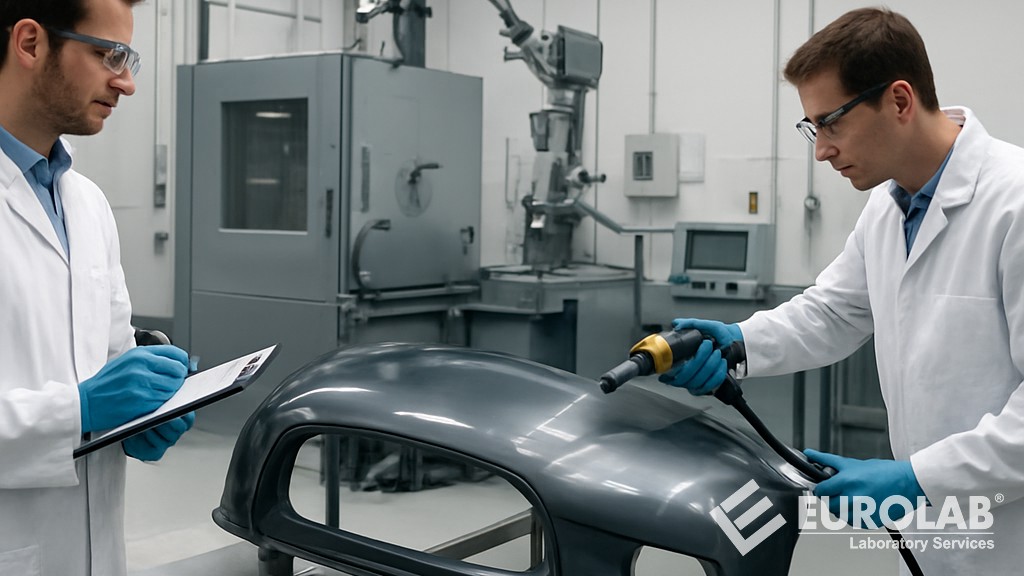
In the high-risk world of automotive engineering, where every component must withstand demanding conditions, rigorous testing standards form the foundation of quality assurance. As a global leader in vehicle innovation, Honda has developed a comprehensive suite of engineering standards to maintain its reputation for durability and reliability. Among these, the Honda HES D6501 standard stands out as a fundamental specification for evaluating the performance of coatings on metal and other surfaces.
This standard provides a comprehensive framework for evaluating the adhesion, corrosion resistance, and overall integrity of protective coatings. With vehicles facing all sorts of conditions, from salt road spray to intense humidity, the HES D6501 standard ensures that Honda parts not only look great but also last a long time.
Widely adopted in the automotive industry, this standard serves not only as an internal guideline for Honda but also as a benchmark for suppliers and testing laboratories worldwide. This standard incorporates Honda's demands for precision and environmental durability while also aligning with broader international norms.
The Honda HES D6501 standard is designed to evaluate coatings used in automotive applications, particularly those applied to metal surfaces for corrosion protection and aesthetic enhancement. This standard addresses the need to simulate real-world stress factors such as humidity, chemicals, temperature fluctuations, and mechanical wear to which coatings are exposed. It encompasses a wide range of tests designed to verify that coatings retain their protective properties without cracking, peeling, or prematurely deteriorating.
HES D6501 essentially emphasizes two fundamental characteristics:
These tests are important for components such as chassis parts, body panels, and underbody elements, where failures can lead to costly repairs or safety issues.
The HES D6501 standard has a modular approach that allows for specific test protocols. It includes numerous procedures, each targeting specific failure modes. Some of the basic tests are:
Advanced laboratories conduct these tests using state-of-the-art rooms and equipment, ensuring traceability and repeatability. Suppliers must meet the HES D6501 standard thresholds to certify parts for Honda production, and this impacts global supply chains.
In conclusion, the Honda HES D6501 standard forms the foundation of the automaker's enduring success. By systematically examining the limits of coatings, it protects vehicles against the ravages of time and weather, enhancing Honda's reputation for reliability. For manufacturers, laboratories, and engineers, mastering this standard is not just about passing a test, it's about building trust on the road. As automotive demands evolve alongside sustainability and electrification, the HES D6501 standard will continue to be a cornerstone of coating reliability.
For many years, our organization, with its competent and experienced staff, has been understanding the needs of its customers, providing the advanced testing services they require, and assisting them in the establishment, implementation, and improvement of management systems. Within this framework, we also provide testing services to businesses in accordance with the "Honda HES D6501 General test methods for coatings" standard.
To get an appointment, to get more detailed information or to request an evaluation, you can ask us to fill in our form and reach you.

