

The “DAF KEUR 00822-116 Coating materials - Determination of wear resistance” standard, developed as part of the official approval or certification process for parts, materials, or processes used in trucks manufactured by DAF, a Dutch truck manufacturer, evaluates how well materials resist wear and tear caused by environmental factors such as heat, light, oxygen, and humidity by simulating long-term use in the interior or exterior of the truck. They ensure long-term durability under real-world conditions such as wear, environmental exposure, and chemical contact.
The DAF KEUR 00822-116 standard is part of a broader set of KEUR standards relating to coating materials. Some of the relevant standards are:
These standards are referenced by independent testing laboratories when suppliers qualify parts for DAF trucks.
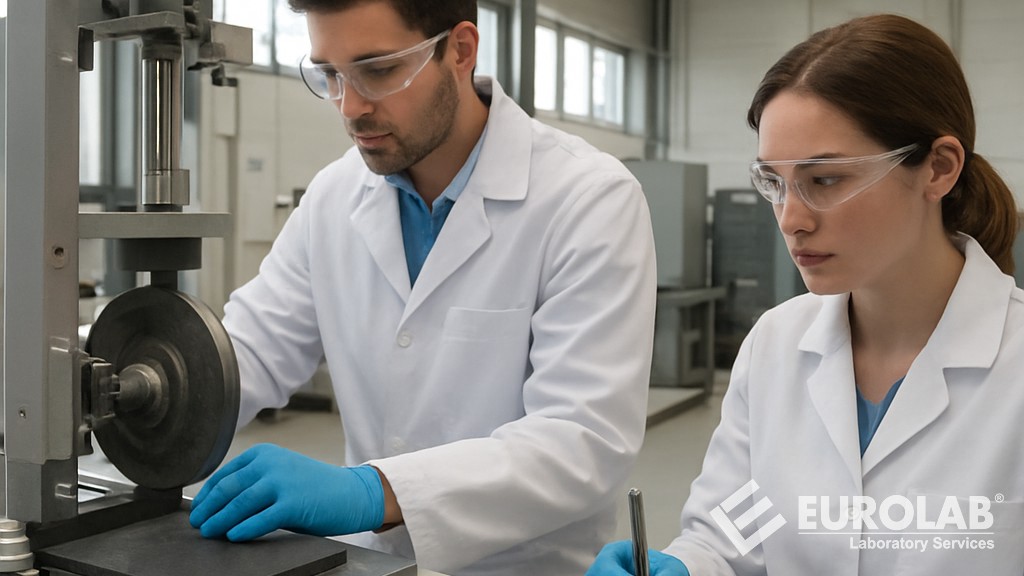
The DAF KEUR 00822-116 standard specifies the test method used to determine the abrasion resistance (wear resistance) of cladding materials, textiles, upholstery, and similar interior surfaces in DAF truck cabs. This test method typically utilizes a Taber abrasion device, a commonly used rotary abrasion test. In this setup, a test specimen is subjected to controlled friction by abrasive wheels under a specified load. The number of cycles, weight loss, visual changes, or transfer to underlying layers are evaluated.
The aim of this method is to simulate long-term mechanical wear caused by passenger contact, cleaning, or friction in a truck cab environment. This ensures that the materials maintain their appearance, integrity, and functionality throughout the vehicle's service life.
The precise parameters (cycle count, load, abrasive type, evaluation criteria, e.g., visual grading, mass loss limits, or color change) are included in the standard.
DAF prioritizes high quality and durability, in compliance with broader automotive standards such as the supplier quality requirements guideline. KEUR tests are part of the material approval processes for internal components. Failure to meet these requirements may prevent the use of materials in DAF vehicles.
This standard helps ensure that DAF truck interiors withstand heavy commercial use and maintain a professional look for drivers for many years and kilometers.
In short, this standard tests and measures the wear resistance of coating materials. These materials are typically surfaces that are subjected to friction and wear during use. This standard uses the Taber wear method, a widely used laboratory technique. In this method, a sample is systematically abraded under controlled conditions to examine how it withstands wear over many friction cycles.
Essentially, the DAF KEUR 00822-116 standard specifies how to prepare, conduct, and evaluate abrasion tests on materials that must remain durable under repeated use, such as interior upholstery, seat fabrics, protective coatings, or exterior components exposed to friction.
This standard is considered necessary for automotive manufacturers such as DAF for the following reasons:
This standard is necessary for the following reasons:
Without sufficient friction resistance:
This standard ensures that materials do not release color or transfer paint under dry or wet friction conditions.
This protects the vehicle's resale value and brand perception.
Without such a standard, quality can vary significantly between suppliers or production batches.
DAF reduces costly field problems by qualifying materials before production.
In conclusion, the DAF KEUR 00822-116 standard is an original equipment manufacturer (OEM) test standard used by DAF to measure the wear resistance of coating materials through a controlled wear test. By ensuring that the materials used in trucks meet high durability and performance standards, it contributes to better vehicle quality and longer service life.
For many years, our organization, with its competent and experienced staff, has been understanding the needs of its customers, providing the advanced testing services they require, and assisting them in the establishment, implementation, and improvement of management systems. Within this framework, we also provide testing services to businesses in accordance with the DAF KEUR 00822-116 standard.
To get an appointment, to get more detailed information or to request an evaluation, you can ask us to fill in our form and reach you.

