

Developed by General Motors Europe (GME), the “GME 60268 Determination of Stone Impact Resistance of Coatings, Plastics and Self-Adhesive Films” standard is an engineering testing standard that specifies a method for evaluating the stone impact (gravel bombardment) resistance of organic coatings, plastic components, and self-adhesive films used in vehicles. This standard is designed to simulate damage that may occur when stones, gravel, or road debris strike the vehicle's exterior surfaces during normal driving. This standard helps manufacturers ensure that painted and coated automotive components maintain their appearance and protective properties throughout the vehicle's lifespan.
The GME 60268 standard is no longer applicable to new designs and has been replaced by the GMW14700 standard for future General Motors vehicle programs.
Road surfaces constantly expose vehicles to gravel, sand, and other hard particles that can collide with painted and coated components at high speeds. These impacts can cause:
The GME 60268 standard provides a standardized laboratory method for reproducing the effects of different materials and coating systems under controlled conditions, enabling engineers to objectively compare these effects. This standard applies to:
Tests are generally performed under the following conditions:
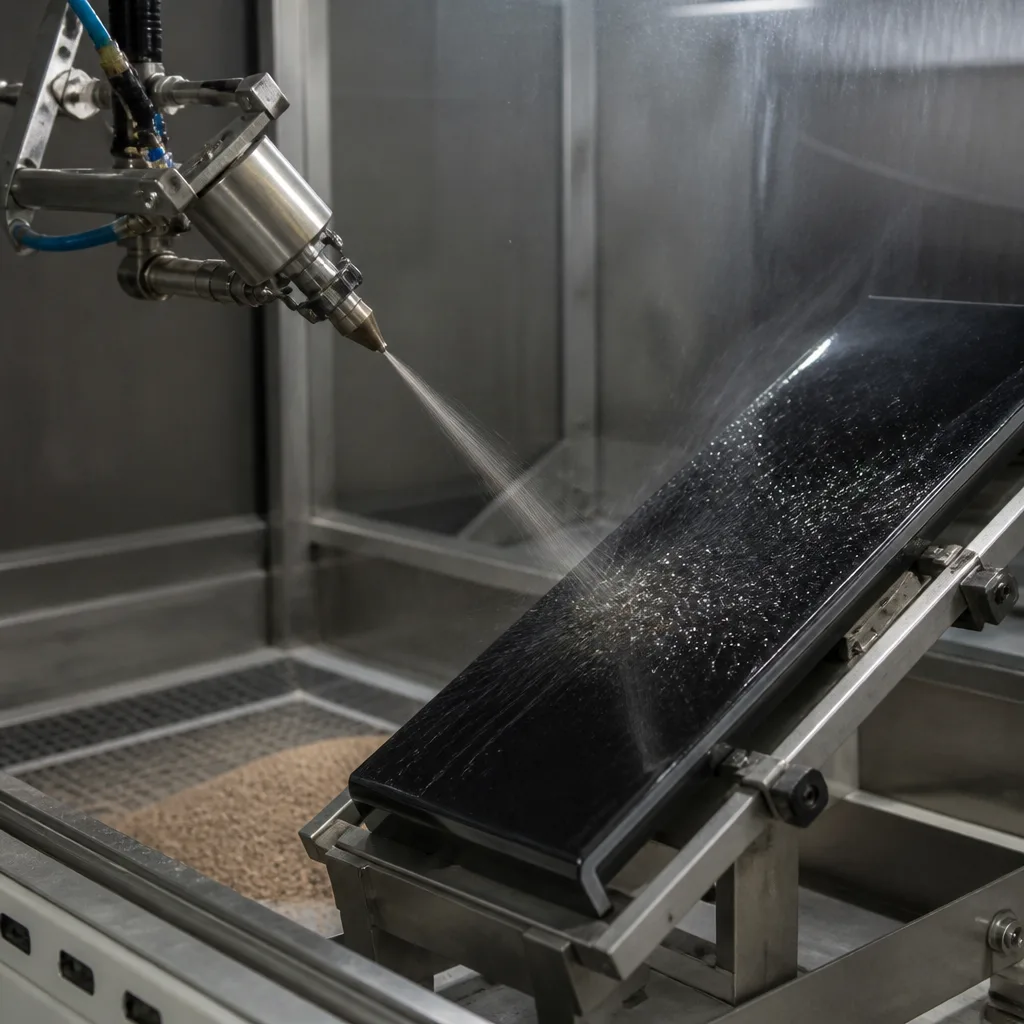
In principle, this testing method simulates real road conditions by pushing standardized gravel particles toward a test sample at a controlled speed. The testing process typically follows these steps:
Damage typically includes the following:
Materials evaluated according to the GME 60268 standard generally include the following:
Stone chips are one of the most common causes of cosmetic damage to vehicles. Particularly vulnerable areas include:
A low-performance coating system can lead to the following:
Tests conducted using the GME 60268 standard help engineers identify more durable paint systems before production.
After the test, auditors typically assess the following:
Many manufacturers use photographic reference scales or numerical rating systems to classify the severity of damage.
The factors affecting stone impact resistance are numerous. Performance depends on a variety of variables, including:
Low temperatures are particularly important because many coatings become more brittle, increasing their susceptibility to stone chips.
The use of the GME 60268 standard offers several advantages:
Although the GME 60268 standard was widely used by General Motors across Europe, it has been superseded by the GMW 14700 standard for new vehicle development programs. The new standard modernizes stone impact testing methodology, harmonizes requirements across General Motors’ global engineering system, and reflects advancements in coating technologies and material performance. Older vehicle programs still refer to the GME 60268 standard, but new projects are expected to adhere to the GMW 14700 standard.
Stone impact resistance testing is important in the following areas:
Many organizations, including automotive manufacturers and standards agencies, use comparable gravel gauge-based testing methods to assess coating durability.
In conclusion, the GME 60268 standard has played a significant role in General Motors Europe’s materials qualification process by providing a consistent method for evaluating the resistance of coatings, plastics, and protective films to stone impact damage. While this standard has been superseded by the GMW 14700 standard, it remains relevant for older vehicle platforms and historical engineering specifications. By simulating years of exposure to road debris in a controlled laboratory environment, the GME 60268 standard has helped engineers improve coating durability and reduce damage.
For many years, our organization, with its competent and experienced staff, has been understanding the needs of its clients, providing the advanced testing services they require, and assisting them in the establishment, implementation, and improvement of management systems. Within this framework, we also provide testing services compliant with the GME 60268 standard.
To get an appointment, to get more detailed information or to request an evaluation, you can ask us to fill in our form and reach you.

