

The “VW TL 598 Decorative Film - Component Requirements” standard, developed by the Volkswagen automotive company, describes the material requirements and adhesion behavior of decorative films according to the relevant surfaces. These are used as decorative elements on the exterior surfaces of vehicle equipment.
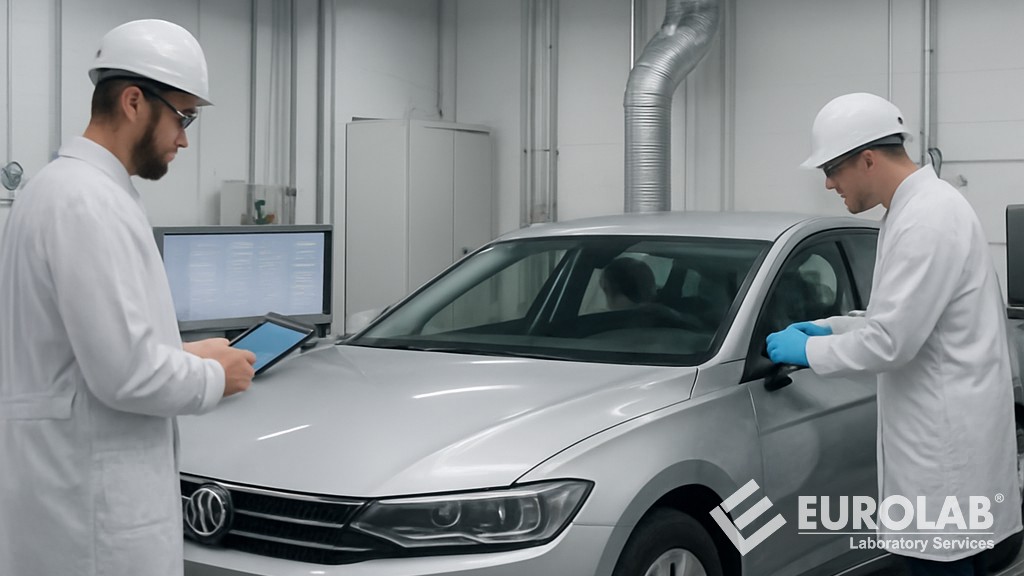
In the highly competitive world of automotive design, every detail matters, from the sleek lines of a vehicle's body to the subtle accents that enhance its aesthetic appeal. A frequently overlooked element is the use of decorative films, offering stylish and cost-effective alternatives to traditional chrome plating or paint. Applied to exterior components such as trim, badges, and accents, these films must withstand harsh environmental conditions while maintaining their visual appeal. This is where the VW TL 598 technical specification comes into play.
Part of the Volkswagen Group’s stringent standards for material and component quality, the VW TL 598 standard outlines the requirements for decorative films used on vehicle exteriors, ensuring durability, adhesion, and performance under real-world challenges.
Volkswagen Group's specifications, beginning with "TL," guide suppliers in producing parts that align with its commitment to innovation, safety, and sustainability. The VW TL 598 standard, in particular, focuses on the niche but critical area of decorative films, combining aesthetics with functionality in modern vehicle design. This standard refers to decorative films as decorative elements on the exterior surfaces of vehicle equipment, including their adhesion behavior to the relevant surfaces.
The VW TL 598 standard essentially defines the material properties, performance criteria, and test protocols for self-adhesive or laminated films used on exterior vehicle parts. These films are typically vinyl, polycarbonate, or polyester-based materials designed to mimic metallic surfaces, carbon fiber patterns, or custom textures. Unlike interior films, which prioritize touch and comfort, exterior decorative films must withstand exposure to UV radiation, extreme temperatures, humidity, and mechanical abrasion—conditions that can degrade their appearance and functionality over time.
The key requirements highlighted by the VW TL 598 standard are designed to ensure that the films integrate seamlessly with vehicle surfaces such as ABS plastic, polycarbonate, or painted metals.
These requirements reflect the Volkswagen Group’s holistic approach to the vehicle lifecycle, from assembly line application to end-user satisfaction after years of use.
Compliance with the VW TL 598 standard involves a series of standardized tests conducted by accredited laboratories. The basic methods are as follows:
Suppliers are typically required to submit samples for Volkswagen Group approval, often undergoing testing in varying climates (e.g., deserts or very cold regions). Non-conformity can lead to shipment rejections or redesigns, highlighting the specification's role in supply chain efficiency.
Films compliant with the VW TL 598 standard are found everywhere in the Volkswagen Group's modern product range. For example,
These applications reduce vehicle weight by up to 20 percent compared to chrome alternatives, increasing fuel efficiency and electric range. They also support the Volkswagen Group's sustainability goals by minimizing the use of rare earth metals in the coating processes.
For many years, our organization, with its competent and experienced staff, has been understanding the needs of its customers, providing the advanced testing services they require, and assisting in the establishment, implementation, and improvement of management systems. Within this framework, we also provide testing services to businesses in accordance with the "VW TL 598 Decorative Film - Component Requirements" standard.
To get an appointment, to get more detailed information or to request an evaluation, you can ask us to fill in our form and reach you.

