

The standard “VDA 16 Decorative surfaces of accessories and functional parts in the exterior and interior areas of automobiles” published by the German Association of the Automotive Industry (VDA) describes the requirements for defining and establishing surface properties at an early stage of the product engineering process in terms of a maximum tolerable process position during the applicability and manufacturability analysis.
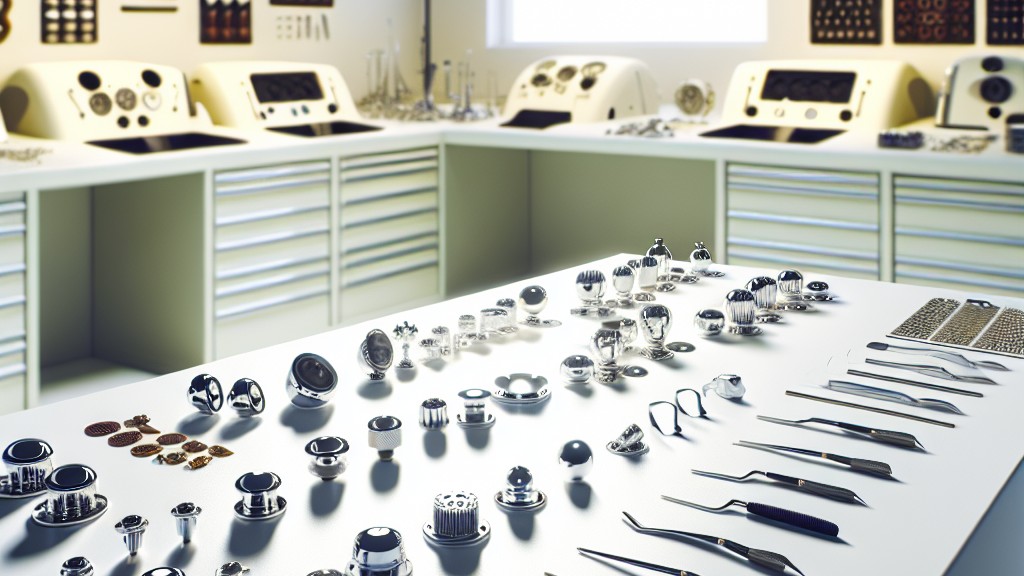
Surface properties based on appearance and feel play an important role in the product engineering process and throughout the supply chain. Surface properties defined too late or not suitable for the process can lead to significant costs. This standard includes a systematic procedure for defining properties for different decorative surface properties based on education, appearance and feel.
This standard is important in considering framework conditions such as testing or test workstation design to prevent process interruptions throughout the supply chain.
The VDA 16 standard forms the basis for bilateral coordination and negotiations between original equipment manufacturers and suppliers or between customers and suppliers throughout the entire supply chain to determine appearance-related characteristics for decorative surfaces. The standard also serves the purpose of clearly defining decorative product surfaces (so-called appearance-related surfaces) and specifying uniform test conditions to prevent process interruptions due to unclear or missing standards for customers and suppliers.
This standard also emphasizes the need for clear and coordinated specification definitions to ensure that all partners in a supply network speak the same language regarding the approach to specifications and defects. This is particularly important with regard to computer-aided systems for quality data collection and complaint handling.
The VDA 16 standard applies to all decorative surfaces of accessories and functional parts in the exterior and interior areas of automobiles. This area is defined as the visible vehicle area that can be seen from a standing or sitting position during normal vehicle use. This standard can be used for inspections accompanying series production, inspections of incoming and outgoing goods, surface assessment during product inspections, and for production process and product approval procedures.
In general, this standard applies to all surfaces related to decorative appearance. The following list provides an overview for a better classification of the product types primarily considered:
Material-specific levels for visible areas are taken into account in this standard only to the extent that they do not exclude or conflict with standards typical for the industry.
Regarding the type of surface, this standard takes into account the following production processes:
Across products and processes, this standard also considers the fundamental issues related to colour assessment/colour measurements of appearance-related accessories. With regard to colour assessment, the necessary matching of samples, adequate selection of light and configuration of test stations for maximum tolerable processing conditions are taken into account.
In short, the VDA 16 standard is a German automotive industry standard that focuses on the appearance and visual inspection of particularly decorative and visible surfaces in vehicles. In short, it covers:
This standard is important for the following reasons:
Our organization, which has been trying to support businesses from every sector with its testing, measurement, analysis and evaluation studies carried out in a wide range for years, has a strong staff that closely follows the developments in the world in the field of science and technology and constantly improves itself. In this context, testing services in accordance with the "VDA 16 Decorative surfaces of accessories and functional parts in the exterior and interior areas of automobiles" standard are also provided to businesses.
To get an appointment, to get more detailed information or to request an evaluation, you can ask us to fill in our form and reach you.

