

In the FORD FLTM BO 101-01 standard developed by Ford Motor Company (FORD), the operation of the air meter device used to evaluate the resistance of paint, textile, vinyl coated fabrics, rubber, plastic and similar materials against artificial weather conditions is explained.
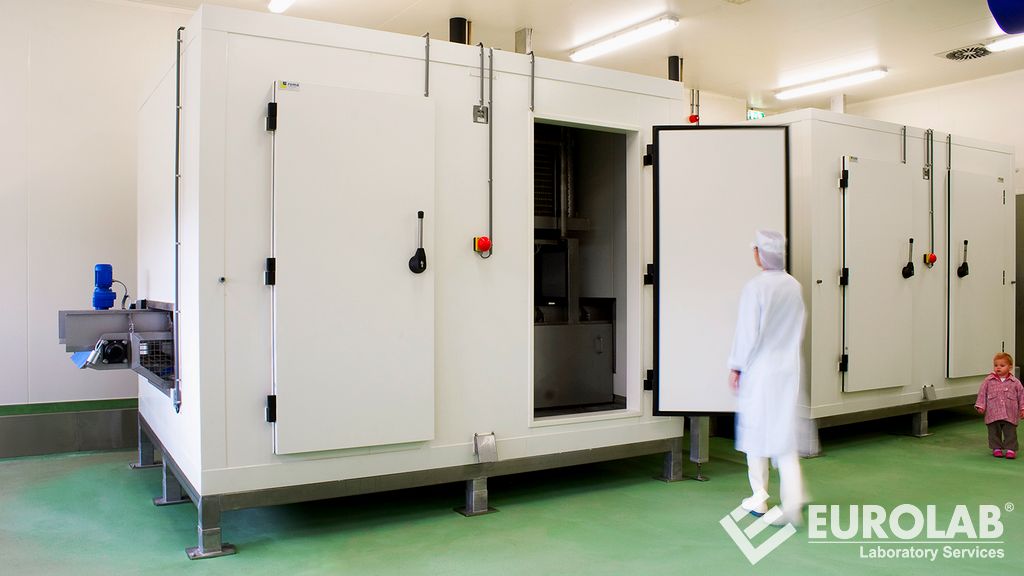
Artificial weathering is the testing of materials to determine their resistance by exposing them to laboratory-controlled light, heat and humidity conditions. The aim is to accelerate the decay with radiation more intense than the sun's natural radiation, and also to apply this radiation for longer periods than is normally received from the sun, especially during the winter months. These tests are considered as accelerated tests. These processes are actually artificial or simulated. However, intensive tests such as ozonation and photochemical embrittlement are not accepted as artificial wear because the weather factor is not present.
Artificial aging involves exposing test samples to an artificial UV light source in a cabinet where temperature, humidity, and water spray are controlled. The problem with this approach is to identify synergistic effects between different parameters in the dissociation process. The key parameter in all accelerated aging apparatus is the UV light source, which should ideally simulate solar radiation. The main types of artificial light sources used are: carbon arc, xenon arc and fluorescent tube.
Determining the resistance of materials and components to sunlight is a very important aspect of the quality assessment of products. Simulation of the effect of external conditions on materials is done by various methods. In the case of solar radiation simulation, the type of light source is of great importance because of the differences in spectral properties. The radiation emitted by the metal halogen lamp very closely simulates the spectral energy distribution and intensity of solar radiation.
Testing components and assemblies in solar simulation chambers allows determining changes in properties such as shape, colour, brightness or durability. Other commonly valued features are the presence of cracks, blemishes or delamination, and other aesthetic and functional aspects.
Among the numerous test, measurement, analysis and evaluation studies it provides for businesses in various sectors, our organization also provides artificial weathering test services within the scope of FORD FLTM BO 101-01 standard, with its trained and expert staff and advanced technological equipment.
To get an appointment, to get more detailed information or to request an evaluation, you can ask us to fill in our form and reach you.

