

The standard “PSA D47 1020 Interior materials - Colour fastness to water, seawater and perspiration”, developed by the French automobile company Renault, describes a procedure for determining the colour resistance of materials or their interior parts to water, seawater and perspiration. This standard applies to materials such as textiles, textiles coated with plastics, leather, sheet plastics and plastic passenger compartment parts, whether or not decorated.
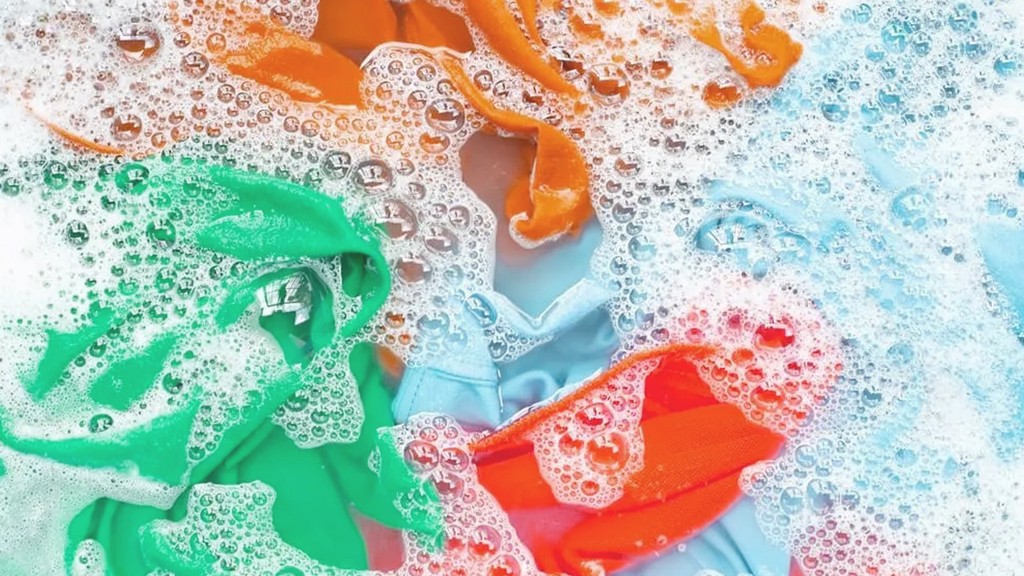
In principle, a test piece of the material to be tested and an undyed control woven fabric saturated with water, seawater or sweat are left in contact under pressure for a certain period of time. The test piece and the undyed control woven fabric are then dried. The deterioration of the test piece and the staining on the undyed control woven fabric are then assessed with a grey scale.
The equipment used in these tests includes:
The following equipment is also used in the tests:
Seawater is a synthetic seawater solution containing 30 g/L sodium chloride, prepared from demineralized or distilled water. To prepare, weigh 30 g of NaCl in a previously degreased container. Place in a 1 L volumetric flask. Add demineralized or distilled water to the mark. Shake to make the solution homogeneous.
Basic sweat is a solution consisting of the following per liter of demineralized or distilled water (5 g sodium chloride, 1 g histidine monohydrochloride with 0,5 water molecule, 12 g di-sodium hydrogen phosphate with 5 water molecules). Using the scale, weigh 5 g of NaCl in a previously degreased container. Place it in a 1 L volumetric flask. Then weigh 0,5 g of histidine monohydrochloride and place it in a graduated flask. Finally, weigh 5 g of di-sodium hydrogen phosphate and place it in a graduated flask. Add demineralized or distilled water to the mark in the flask. Shake to make the solution homogeneous. If necessary, adjust the pH to 8 using a desinormal sodium hydroxide solution. This solution should be stored away from light.
Acidic sweat is a solution of the following per liter of demineralized or distilled water (5 g sodium chloride, 1 g histidine monohydrochloride with 0,5 water molecule, 2 g sodium dihydrogen phosphate with 2,2 water molecules). The following steps are the same as in the preparation of basic sweat.
Among the numerous tests, measurements, analyses and evaluation studies that our organization has carried out for businesses in various sectors, it also provides testing services defined in the “PSA D47 1020 Interior material - Color fastness to water, sea water and sweat” standard with its trained and expert staff and advanced technological equipment.
To get an appointment, to get more detailed information or to request an evaluation, you can ask us to fill in our form and reach you.

