BMW PR 380 Floor Mats
Developed by BMW, a leading German multinational company in the automotive sector, the “BMW PR 380 Floor Mats” standard focuses on the performance, durability, and material integrity of floor mats and related interior textiles or composites.
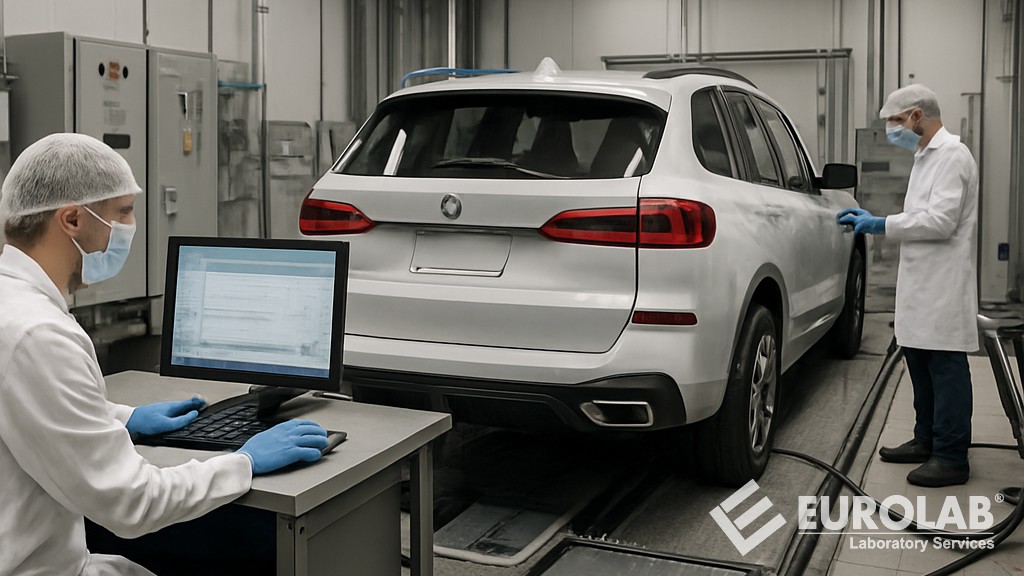
Floor mats are more than just an accessory; they are engineered components designed to protect the vehicle's interior and maintain the premium feel and precise fit that define the brand. The BMW PR 380 standard incorporates a series of testing methods to ensure the mats withstand real-world use in vehicles:
- Adhesion and bonding strength: Tests such as the shear force between the support and filler ensure that the layers do not separate over time (this method is based on the DIN 54310 standard).
- Tear and puncture resistance: This assesses how well mats withstand tearing, punctures, or damage from pedestrian traffic, debris, or heavy use (usually referring to the DIN EN 388 standard).
- Dynamic load and wear: Repeated weight/pressure (e.g., from shoes or cargo) is simulated on plastic/rubber elements to check for cracking or deformation.
- Other mechanical properties include: pitting/marking behavior, abrasion, and overall durability under environmental stress.
These tests help ensure that the mats (whether carpet-covered velvet, all-weather rubber, or high-end variants) provide long-lasting protection against dirt, moisture, snow, and abrasion without compromising safety or aesthetics.
Mats are constantly subjected to mistreatment: mud and spills from the streets in winter, or heavy pedestrian traffic, for example. Compliance with this standard generally ensures the following:
- The mats stay securely in place (they won't slip under the pedals).
- These mats effectively trap dirt without damaging it.
- Premium materials (such as composite rubber/textile in the mats) combine a luxurious look with practical waterproofing.
The BMW PR 380 standard applies especially to original equipment manufacturer (OEM) floor mats, as aftermarket options may not meet the same rigorous criteria. Several product lines are offered for vehicles that meet or exceed this standard level of durability:
- All-weather floor mats: Precisely fitting rubber mats with raised edges and a metal BMW logo. Ideal for year-round protection against moisture and dirt. Suitable for most models.
- M Performance floor mats: A sporty composite design that combines the feel of textiles with the durability of rubber. The popular back sets withstand heavy use while adding a performance touch.
- Carpets, velvet, or floor coverings: Superior options for a luxurious interior harmony, featuring a strong, wear-resistant backing.
The functional testing methods described in the BMW PR 380 standard focus on ensuring that floor mats perform reliably in real-world conditions: remaining securely fixed, resisting wear, maintaining adhesion between layers, and withstanding mechanical stress (e.g., not sliding under pedals, which is a critical safety feature).
Tests are fundamental mechanical requirements under the functional category, usually referring to standards such as DIN or EN methods. Several basic functional test methods described in this standard are:
- Adhesion and separation force tests:
- BMW PR 380 § 2.2.5 Adhesion test for floor mats - Separation force: For example, between backing and filler layers. This test measures the force required to separate the layers. It is based on the DIN 54310 standard. It ensures that layer separation does not occur over time due to foot traffic or moisture.
- BMW PR 380 2.3.4.4 Adhesive bonding test: Refers to BMW PR 308 methods.
- BMW PR 380 2.3.5 Adhesion strength between floor mat and floor covering: Tests how well the floor mat adheres to the vehicle's carpet or upholstery.
- Trace retention / trace and recovery tests:
- BMW PR 380 2.3.6 Marking test (or track/marking behavior): This test simulates pressure from the heel/shoe or load, measuring the depth of the mark and recovery time (e.g., after 60 minutes or 24 hours). This method is similar to the DIN 54316 and EN 20105-A02 standards. It ensures that the mats do not permanently deform or leave unsightly marks.
- Shear and tear strength tests (fastening system):
- BMW PR 380 2.4.1.1 Shear strength at room temperature.
- BMW PR 380 2.4.1.2 Shear strength at high temperatures or conditions: This test assesses the lateral/shear resistance of Velcro/plastic fastening points commonly found on floor mats.
- BMW PR 380 2.4.2: Tear force from floor tile Velcro plate (x direction).
- BMW PR 380 2.4.3 Tear force from Velcro plate (z direction, tensile force). This test is critical for anti-slip performance; the mats must withstand tensile/tear forces without breaking.
In short, the functional test methods defined in the BMW PR 380 standard are as follows:
- Puncture resistance: Focuses on resistance to sharp objects. Prevents punctures caused by debris and heels.
- Tear resistance: Focuses on tear resistance. Ensures mat integrity during entry/exit.
- Shear/lateral force: Focuses on preventing skidding when cornering. Provides critical driving safety.
- Adhesion/separation: Focuses on layer bonding strength. Determines long-term durability.
- Fastening system durability: Velcro/clip focuses on holding. Prevents movement underfoot.
- Trace and recovery: Focuses on resistance to permanent deformation. Preserves appearance and function.
Focusing specifically on whether they pass the functional test suite, including shear strength, puncture resistance, and connection failure at -30 degrees Celsius, provides the clearest indication of long-term safety and performance.
For many years, our organization, with its competent and experienced team, has been understanding the needs of its clients, providing the advanced testing services they require, and assisting them in the establishment, implementation, and improvement of management systems. Within this framework, we also provide testing services in accordance with the BMW PR 380 standard.



