

Developed by BMW, a multinational vehicle manufacturer headquartered in Germany, the standard “BMW GS 93008-1 Substances of concern – Materials and components – Prohibited and declarable substances”, together with the VDA 232-101 standard, serves as a tool for optimising the environmental compatibility of products and assists in the testing of alternative substances for suppliers, manufacturers and all BMW specialist departments.
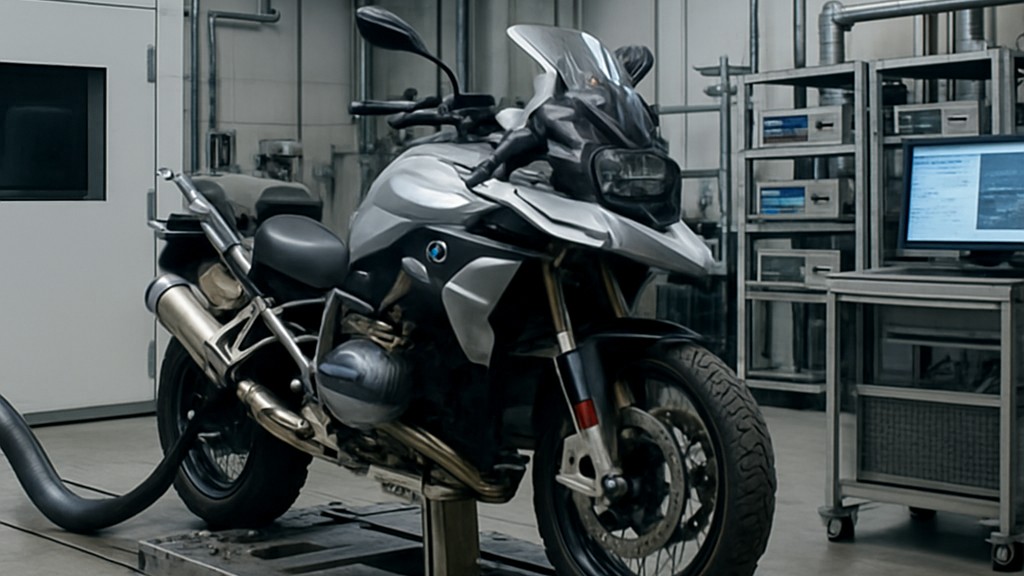
This standard does not exempt suppliers and processors from their obligation to comply with all national and international legal regulations regarding hazardous substances and the prohibitive regulations resulting from them.
The material or component supplier is responsible for fulfilling all registration and reporting responsibilities for the material under Regulation 1907/2006 (REACH) and similar laws in other markets. This is mandatory if the requirement specifications exclude additional components.
The BMW GS 93008-1 standard, developed by the BMW Group, is a critical component of the quality control framework focused on regulating substances of concern in materials and components used in automotive production. This standard outlines requirements for prohibited and declarable substances to ensure compliance with environmental, safety, and regulatory obligations throughout the lifecycle of automotive products. This standard is part of a broader set of standards (GS 93008 series) aimed at maintaining high standards of environmental and social responsibility for BMW and its suppliers.
The GS 93008-1 standard addresses the identification, restriction, and declaration of hazardous substances in materials and components used in BMW vehicles. Its main objectives are to:
This standard applies to all materials and components used in BMW vehicles, covering the entire supply chain from raw material procurement to end-of-life recycling. It serves as a guide for suppliers, manufacturers, and internal BMW departments to meet stringent environmental and regulatory requirements.
The GS 93008-1 standard includes the following basic requirements:
The latest update to the GS 93008-1 standard introduced several updates, including:
The GS 93008-1 standard reflects BMW's commitment to environmental sustainability and social responsibility and ensures:
By implementing these standards, BMW not only ensures the safety and quality of its vehicles but also promotes sustainable practices throughout its supply chain. Suppliers are encouraged to use alternative materials and optimize processes to reduce environmental impact.
Compliance with the GS 93008-1 standard is verified through specialized testing, typically performed by accredited laboratories. These tests focus on:
For example, emissions and odor tests can follow protocols such as VDA 270, VDA 278 or DIN 75201 to ensure that components meet BMW's stringent requirements.
Suppliers face several challenges in meeting the requirements of the GS 93008-1 standard:
To address these challenges, BMW provides guidance through its standards and encourages collaboration with testing organizations to ensure compliance.
Consequently, the BMW GS 93008-1 standard is a cornerstone of BMW's commitment to producing safe, sustainable, and high-quality vehicles. By regulating substances of concern in materials and components, it ensures compliance with global environmental and safety regulations while also promoting responsible practices throughout the supply chain. Suppliers and manufacturers must adhere to its stringent requirements, supported by testing and verification processes, to meet BMW's expectations and contribute to a sustainable automotive industry.
It is necessary to work with accredited organizations for compliance or testing services.
Our organization, which has been operating for many years and meticulously follows global developments in science and technology, employs a team of experienced professionals and a broad infrastructure to conduct testing, measurement, and analysis in a wide range of areas for businesses across all sectors. In this context, we also provide testing services in accordance with the "BMW GS 93008-1 Substances of Concern - Materials and Components - Prohibited and Declarable Substances" standard.
To get an appointment, to get more detailed information or to request an evaluation, you can ask us to fill in our form and reach you.

