

Developed by BMW, a leading German multinational company in the automotive sector, the “BMW PR 362 Test standard for volatile substances in leather (moisture measurement)” describes a test method for determining volatile substances in leather and related materials, particularly for moisture measurement.
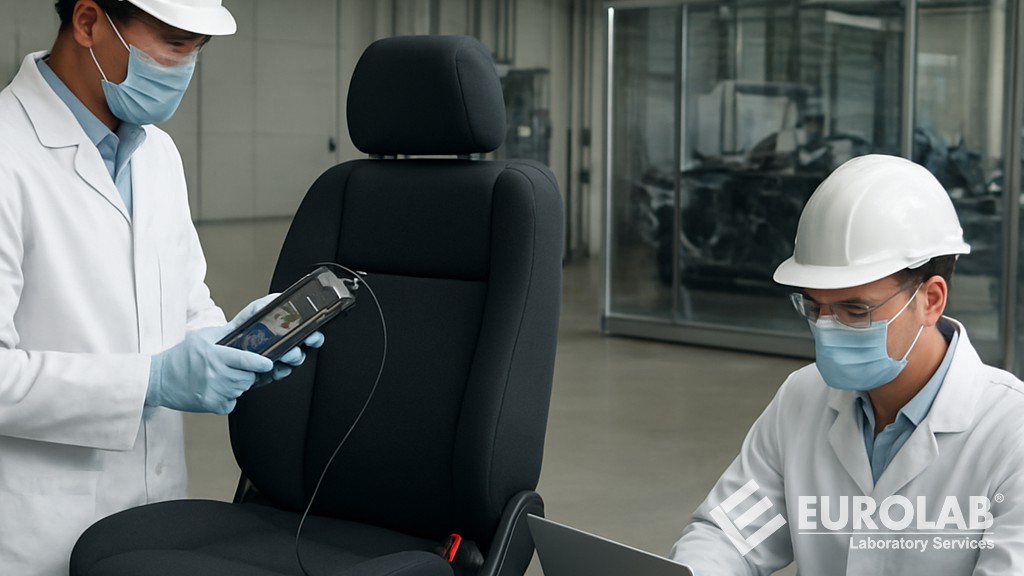
The aim of this standard is to quantitatively determine the volatile components (including water and moisture content) in leather used in vehicle interiors such as seats, steering wheels, door panels and other upholstery components. This method is applicable to leather, leather fiberboards and sometimes related biogenic or collagen-based materials. The test ensures that the materials meet BMW's quality and emissions requirements for durability, odor control and environmental compatibility in vehicle cabins.
Like other premium manufacturers, BMW has strict interior material specifications. In this context, the BMW PR 362 standard helps control moisture and volatile emissions to prevent problems such as fogging on windows, unpleasant odors, or material degradation over time. This standard is listed alongside other BMW PR series tests for emissions, wear, and leather properties by independent testing laboratories.
The BMW PR 362 standard is frequently referenced alongside international standards for soluble substances or ash content in skin tests. This supports BMW’s broader goals for sustainable, low-emission interiors and aligns with regulations on volatile organic compounds (VOCs) in vehicles.
Determining volatile substances (moisture measurement) in leather is a critical material testing procedure in the automotive industry. It measures the total volatile substance content (including water, moisture, and other evaporative compounds) in leather used in vehicle interiors such as seats, steering wheels, door panels, and upholstery. This test is important for several interconnected reasons that directly impact vehicle quality, customer experience, safety, health, durability, and regulatory/supplier compliance.
The main reasons why this standard is considered important are:
BMW and most premium original equipment manufacturers strictly limit fogging to ensure clear visibility. The BMW PR 362 standard helps identify materials prone to excessive volatile compound emissions, preventing fogging issues that could lead to safety recalls or customer complaints.
High levels of volatile organic compounds and humidity reduce perceived interior quality, especially in luxury vehicles where buyers expect superior, low-odor environments. In some markets, odor sensitivity is particularly high, impacting sales and brand reputation.
BMW's stringent emissions standards are consistent with the growing global focus on in-vehicle air quality and help meet or exceed expectations in regions with sensitive consumers or where new regulations are emerging.
In conclusion, the BMW PR 362 standard's focus on volatile substances (with moisture being a key component) addresses the root causes of common interior complaints. It ensures that the leather meets BMW's high standards for safety, comfort, health, and luxury, thus protecting the brand image and customer satisfaction in a competitive premium market.
For many years, our organization, with its competent and experienced team, has been understanding the needs of its clients, providing the advanced testing services they require, and assisting them in the establishment, implementation, and improvement of management systems. Within this framework, we also provide testing services in accordance with the BMW PR 362 standard.
To get an appointment, to get more detailed information or to request an evaluation, you can ask us to fill in our form and reach you.

