BMW PR 388 Engine Compartment and Floor Area Sound Insulation Components
Developed by BMW, a leading German multinational company in the automotive industry, the “BMW PR 388 Engine Compartment and Underbody Soundproofing Components” standard describes the requirements and test methods for soundproofing components located in the engine compartment and related areas of vehicles. The primary aim of this standard is to ensure high-quality acoustic performance by establishing standards for materials used in engine compartment soundproofing, such as insulation mats, covers, shields, and underbody/subfloor noise reduction parts. These components reduce engine noise, vibrations, and heat transfer to the passenger compartment, enhancing the vehicle's reputation for refined ride comfort and superior interior quietness.
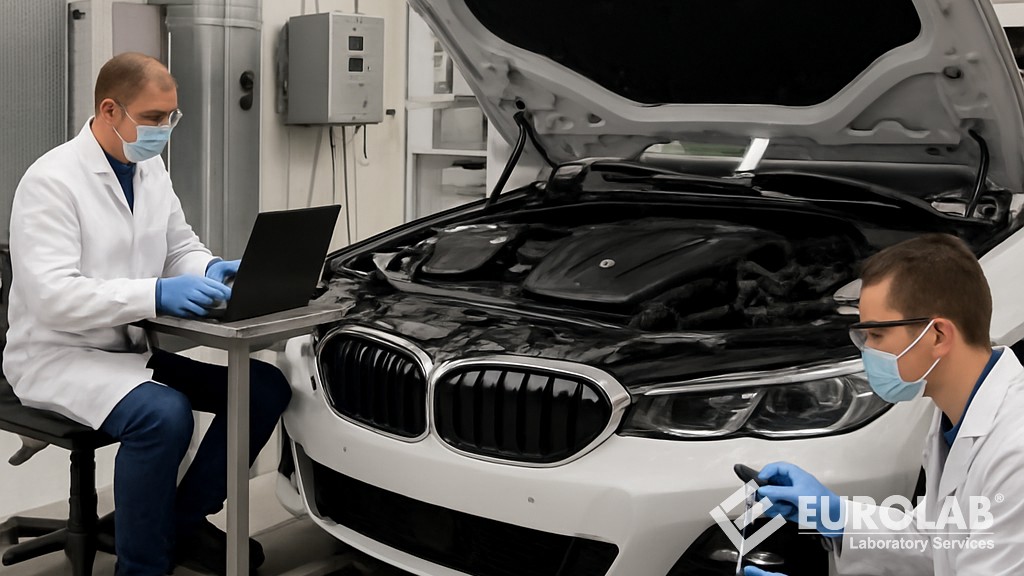
This standard covers the following:
- Material durability under high temperatures and engine compartment conditions.
- Acoustic absorption and insulation properties.
- Mechanical strength and resistance to environmental factors (oil, fuel, heat, aging).
- Specific performance tests to verify compatibility.
The BMW PR 388 incorporates various test sections. Some tests frequently cited from accredited testing laboratories include:
- BMW PR 388 § 2.2.12 Thumb pressure test: Evaluates the surface resistance and restoration of sound insulation materials in engine compartment and underbody areas when subjected to manual pressure (simulating assembly or service conditions). This standard is designed for sound insulation components in the engine compartment and underbody/chassis. For acoustic damping materials such as insulation mats, heat shields, engine covers and related parts, it sets stringent requirements to ensure they withstand engine compartment conditions while providing excellent noise reduction.
This test is a mechanical evaluation test designed to simulate use, assembly, service, or accidental contact in real-world conditions in an engine compartment. The test assesses how well sound insulation material (typically multilayer composites, foams, felts, or laminated textiles) resists deformation, indentation, or permanent damage when hand pressure is applied with the thumb. This simulates the following scenarios:
- Mechanics or technicians applying pressure to components during maintenance.
- Assembly line operations
- Accidental contact during vehicle operation or servicing.
The main objective of this standard is as follows:
- To verify surface integrity and recovery (flexibility) after pressure application.
- To ensure there is no cracking, tearing, delamination, or excessive permanent indentation.
- To verify that the material retains its acoustic and thermal performance after stress.
Poor performance here can lead to visible damage over time, decreased NVH (noise, vibration, harshness) quality, or even loose/broken insulation parts in the engine compartment.
- BMW PR 388 § 2.2.3 Separation strength/separation strength test: Measures the adhesion strength between layers or to substrates to prevent separation over time. This standard defines stringent requirements for materials such as acoustic mats, heat shields, laminated felts, foams and multilayer composites to ensure long-term durability, acoustic performance and resistance to engine compartment stresses (heat, vibrations, ambient exposure). It specifically covers the separation strength test (separation strength test, adhesion strength test or adhesive strength test). This mechanical test evaluates the bond strength or adhesion between layers of sound insulation material or between the material and its substrate/supporting material. Multilayer sound insulation components (e.g. aluminum foil + foam + felt composites) must remain securely bonded for the life of the vehicle. Layer separation can result from:
- Decrease in NVH performance (increase in cabin noise)
- Loose material particles in the engine compartment (risk of damage or contamination)
- Thermal or acoustic distortion
The test simulates thermal cycling, vibrations, assembly forces, and stresses from long-term aging to verify that the layers do not separate prematurely.
The main objectives are as follows:
- Measuring the minimum force required to separate bonded layers.
- To provide sufficient adhesion to prevent layer separation under real-world conditions.
- To verify compliance with BMW's durability and quality standards for supplier approval.
- BMW PR 388 § 2.2.8
- This standard outlines requirements and test methods for acoustic and thermal insulation components in the engine compartment, such as sound-absorbing mats, heat shields, carriers, bulkhead insulation materials, bonnet linings, and their mounting systems. It ensures these components maintain their performance under heat, vibration, chemicals, aging, and mechanical loads, and meet NVH (noise, vibration, harshness) standards.
This standard focuses on the evaluation of fasteners (clips, retainers, push pins, or similar fastening elements) used to secure insulation components in the engine compartment.
- Other potential tests include aging, heat resistance, environmental resistance (oil/fuel exposure), flammability, and acoustic performance criteria.
These tests are carried out by independently accredited laboratories to verify that supplier parts meet BMW's stringent quality standards before being used in production.
- BMW PR § 2.4.1 Fingerprint test - Requirements for absorbers: This standard covers acoustic and thermal insulation components in the engine compartment (e.g. shock absorbers, mats, heat shields, carriers and related components) and defines tests for performance, durability, environmental resistance and functional integrity.
This standard specifies the requirements for the absorber (typically sound-absorbing foam, felt, or nonwoven layer in engine bay insulation components). The test is a finger-press test that evaluates the absorber's surface resistance to indentation or permanent deformation under local pressure. This simulates real-world contact (e.g., during assembly, maintenance, or accidental finger-pressing in the engine bay) and ensures the material does not leave excessive marks, crush, or show loss of acoustic/thermal function.
This standard is important for the following reasons:
- NVH (noise, vibration, harshness) performance and superior brand identity.
- Supplier quality assurance and parts approval process
- Vehicle durability, reliability, and reduced warranty risk.
- Contribution to efficiency, weight and sustainability goals.
For many years, our organization, with its competent and experienced team, has been understanding the needs of its clients, providing the advanced testing services they require, and assisting them in the establishment, implementation, and improvement of management systems. Within this framework, we also provide testing services in accordance with the BMW PR 388 standard.



