

Developed by BMW, a multinational vehicle manufacturer, the “BMW AA 0616 Determination of weight change during contact storage” standard focuses specifically on determining weight change during storage in contact. This test evaluates how materials change in weight over time when stored in direct contact with other components or surfaces.
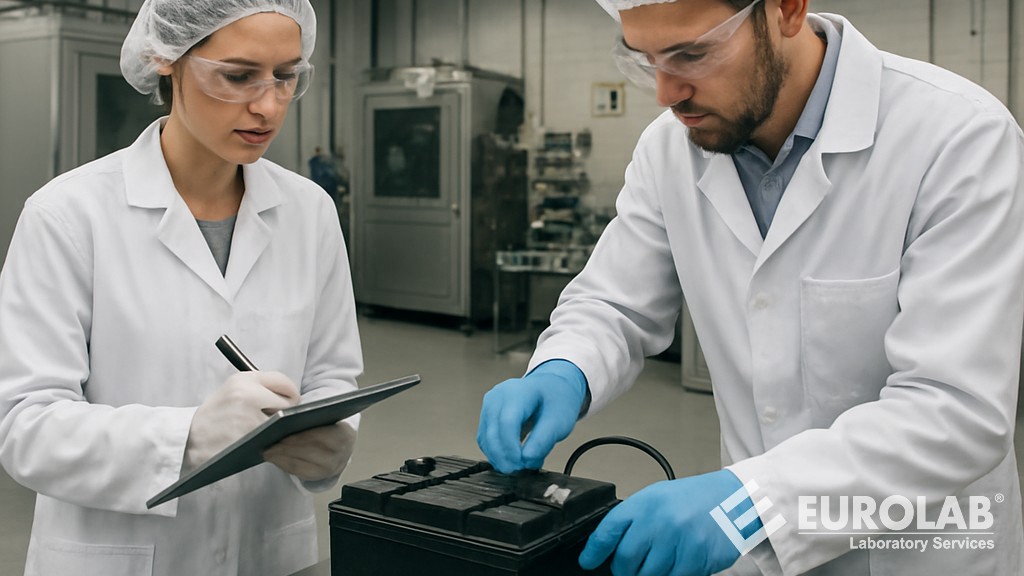
The purpose of this testing method is to evaluate potential material interactions, such as the migration of plasticizers, oils, or additives from one part to another. Weight changes can indicate degradation, leakage, or chemical reactions that may affect appearance, performance, or lifespan (e.g., fogging on glass, staining in interiors, or decreased flexibility in seals).
This method is commonly applied to non-metallic materials, plastics, rubbers, adhesives, and coatings in vehicle interiors or components under the hood. This helps prevent issues such as adhesive surfaces, discoloration, or loss of structural integrity.
The BMW AA 0616 standard is referenced along with other material tests such as the following:
These standards are part of broader BMW group standards, such as BMW GS 93008 for non-metallic materials.
BMW's commitment to high-quality engineering extends from supplier parts to in-house production. Testing, such as the BMW AA 0616 standard, reinforces the brand's reputation for long-lasting interiors and reliable components, minimizing warranty claims and ensuring compliance with global regulations on material safety and emissions.
Independent laboratories offer suppliers BMW AA 0616 standard testing to verify component compatibility. This standard exemplifies the rigorous behind-the-scenes work that underpins BMW's material selection and vehicle durability. Whether you're researching parts sourcing, restoration, or for technical interest, it's a niche but critical aspect of automotive quality assurance.
The test to determine weight change under storage in contact, as described in the BMW AA 0616 standard, is a critical part of BMW's material approval process, especially for non-metallic components used in vehicle interiors. This test simulates real-world conditions where different materials (e.g., plastics, foams, leather, adhesives, or coatings) are in direct and prolonged contact under high temperature and pressure.
The primary objective is to detect material migration. This test measures the weight gain or loss that occurs after material samples are stacked or pressed together and stored for a specific period (usually under accelerated conditions such as heat to simulate years of use). A weight loss in a material often indicates the migration of additives such as plasticizers (chemicals added to PVC or other polymers to make them flexible and soft). An increase in weight in the material in contact confirms that these substances have been transferred.
Plasticizer migration is a well-known problem in automotive interiors:
Similar tests exist across the industry (e.g., ISO 177 standard for plasticizer migration, ASTM D2199 or DIN 75201 standards for transfer to varnishes, or original equipment manufacturer-specific fogging tests), highlighting the universality of this concern.
Premium manufacturers like BMW prioritize long-term quality, safety, and customer satisfaction. Interiors must remain flawless even after years of exposure to heat (e.g., when parked in sunlight), humidity, and physical contact. The main reasons why this standard is considered important are:
Without such testing, incompatible materials may pass initial checks but fail in the field, jeopardizing the feeling of luxury that BMW customers expect. The BMW AA 0616 standard is one of many rigorous BMW standards (along with corrosion, emission, and wear tests) that support this commitment to excellence. Suppliers must pass this test to obtain approval, ensuring that each component contributes to a reliable and high-quality vehicle.
For many years, our organization, with its competent and experienced team, has been understanding the needs of its clients, providing the advanced testing services they require, and assisting them in the establishment, implementation, and improvement of management systems. Within this framework, we also provide testing services in accordance with the BMW AA 0616 standard.
To get an appointment, to get more detailed information or to request an evaluation, you can ask us to fill in our form and reach you.

