

The “TSL2105G Standard Test Methods for Seat Fabrics with Respect to Strength and Durability” standard, a Toyota engineering standard, defines standard test methods for seat fabrics, focusing specifically on properties related to strength and durability. It is widely referenced in the automotive industry for the qualification and verification of upholstery materials, particularly woven fabrics, knitted fabrics, and other textiles used in vehicle seats.
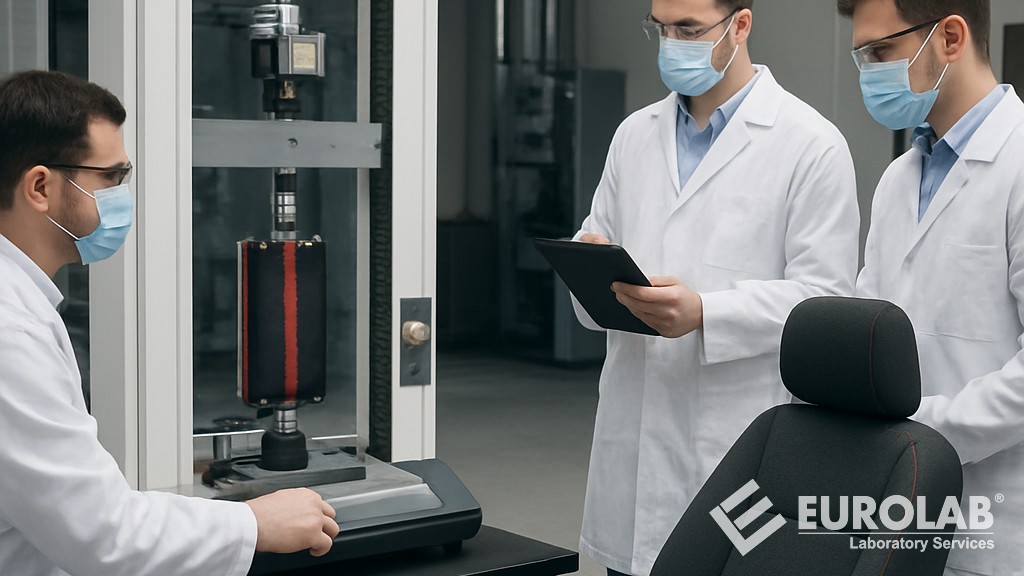
This standard outlines a comprehensive set of mechanical and physical tests to ensure seat fabrics can withstand the harsh conditions of automotive use. These tests include:
These tests help ensure that the materials maintain their appearance, structural integrity, and safety throughout the vehicle's lifespan.
The TSL2105G standard covers numerous test methods, many of which refer to or adapt international standards (such as ISO and ASTM). Common sections include assessments of the following:
Most of these tests are cross-referenced with Toyota's relevant standards (e.g., TSL2104G for general fabrics, TSL5100G for artificial leather, TSL2106G for additional fabric products).
The TSL2105G standard is commonly used in the following areas:
Independent testing organizations offer accredited tests according to the TSL2105G standard for automotive suppliers.
In short, the TSL2105G standard is a detailed protocol used by Toyota to verify that its seat fabrics possess sufficient strength (tensile, tear, seam) and durability (abrasion, pilling, fatigue) for real-world vehicle use. It forms a crucial part of the quality assurance chain for interior materials in Toyota vehicles.
This standard is an engineering standard that includes test methods evaluating the strength, durability, and performance of fabrics used in automotive interior components, particularly seat upholstery and interior trim materials. It is part of Toyota’s internal materials testing system used to ensure textile components meet stringent quality, safety, and longevity requirements before being approved for vehicle production.
The primary objective of the TSL2105G standard is to provide uniform procedures for testing textile materials used in vehicle interiors and to ensure that seat fabrics can withstand prolonged use, environmental influences, and mechanical stresses throughout a vehicle's lifecycle.
Automotive seats are constantly subjected to loading, friction, and environmental factors such as temperature, humidity, and sunlight. This standard ensures that the fabrics maintain their structural integrity, appearance, and safety performance under these conditions.
The TSL2105G standard applies primarily to textile materials used in seat covers and interior trim. This standard covers various mechanical and durability-related performance characteristics. Typical applications include:
Manufacturers and suppliers must conduct the tests defined in this standard to demonstrate that materials meet Toyota's requirements before they are accepted for use in production.
This standard defines various performance tests that evaluate fabric strength, deformation resistance, and durability.
The standard for automotive interior fabrics defines minimum thresholds for various properties, including:
These thresholds ensure that the materials perform reliably under real vehicle conditions.
The TSL2105G standard plays a crucial role in vehicle interior quality control. This standard is considered important for the following reasons:
By mandating compliance with this standard, Toyota ensures that materials supplied by different manufacturers meet the same performance and durability expectations.
For many years, our organization, with its competent and experienced team, has been understanding the needs of its clients, providing the advanced testing services they require, and assisting in the establishment, implementation, and improvement of management systems. Within this framework, we also provide testing services compliant with the TSL2105G standard to businesses.
To get an appointment, to get more detailed information or to request an evaluation, you can ask us to fill in our form and reach you.

