

The purpose of the procedure described in the standard “PSA D25 5376 Paint coatings - Resistance to high-pressure washing” developed by the French automobile company Renault is to characterize the resistance of paints, anti-gravel sealants, decorative films and similar coatings to the effects of high-pressure cleaners. This procedure is applied to coatings on sheet metal, plastic or composite supports for tests on samples or complete parts.
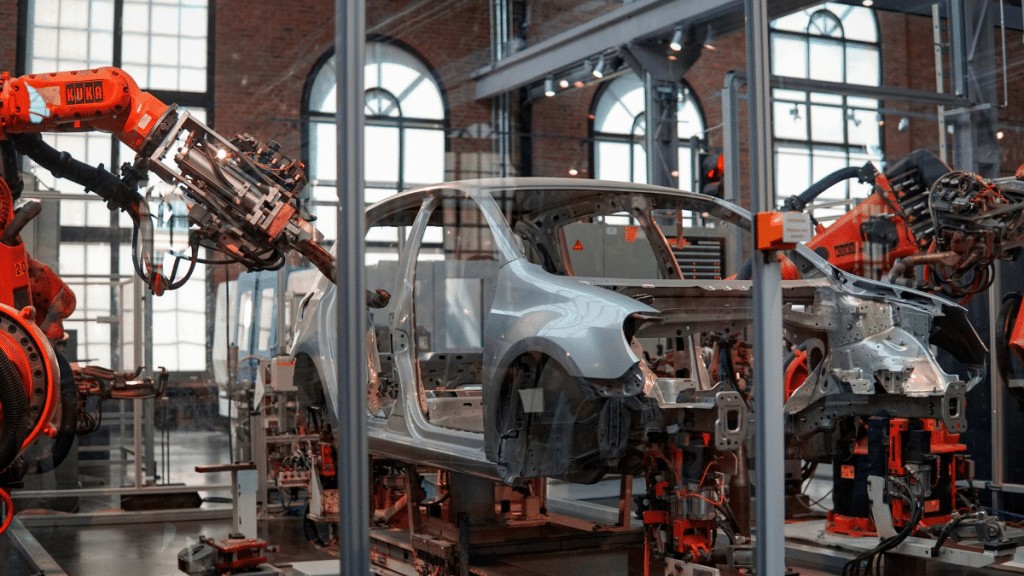
In principle, this test method consists of subjecting a paint film, anti-gravel mastic or decorative film etc. to the action of a high-pressure cleaner. The test can be performed on the same substrate but in two different areas with or without damage. The possible separation observed is comparable to that encountered on vehicles when using commercial high-pressure washing facilities or domestic high-pressure cleaners.
Major test equipment used in these tests includes:
Test samples should be representative of the scale to be characterized. In order to ensure this representation, the basic characteristics of the studied population must be revealed. Selection criteria for test samples must be stated in the test report in accordance with the A10 0156 standard. In case of doubt about sampling, the PSA Group should be contacted to learn the directives to be followed.
The test pieces should have a minimum dimension of 150 mm x 100 mm (optimum, non-restrictive conditions). In addition, the test pieces should be conditioned at 24 degrees plus/minus 25 degrees and ambient humidity for approximately 5 hours before performing the tests. For paints that crosslink at temperatures below 120 degrees, the same conditioning is applied for 7 days unless specific instructions are given in the reference documents.
Among the numerous tests, measurements, analyses and evaluation studies that our organization has carried out for businesses in various sectors, it also provides testing services defined in the “PSA D25 5376 Paint coatings - Resistance to washing with high-pressure washing machines” standard with its trained and expert staff and advanced technological equipment.
To get an appointment, to get more detailed information or to request an evaluation, you can ask us to fill in our form and reach you.

