

Developed by BMW, a leading German multinational company in the automotive sector, the “BMW PR 307 Assessment of Scratch Susceptibility of Component Surfaces” standard describes a test method focused on evaluating the scratch resistance of surfaces on interior and exterior components of vehicles. This standard is part of rigorous delivery specifications set for suppliers of vehicle interior trim, exterior parts, plastics, coatings, and other materials that must withstand daily wear, cleaning, and environmental influences without visible damage.
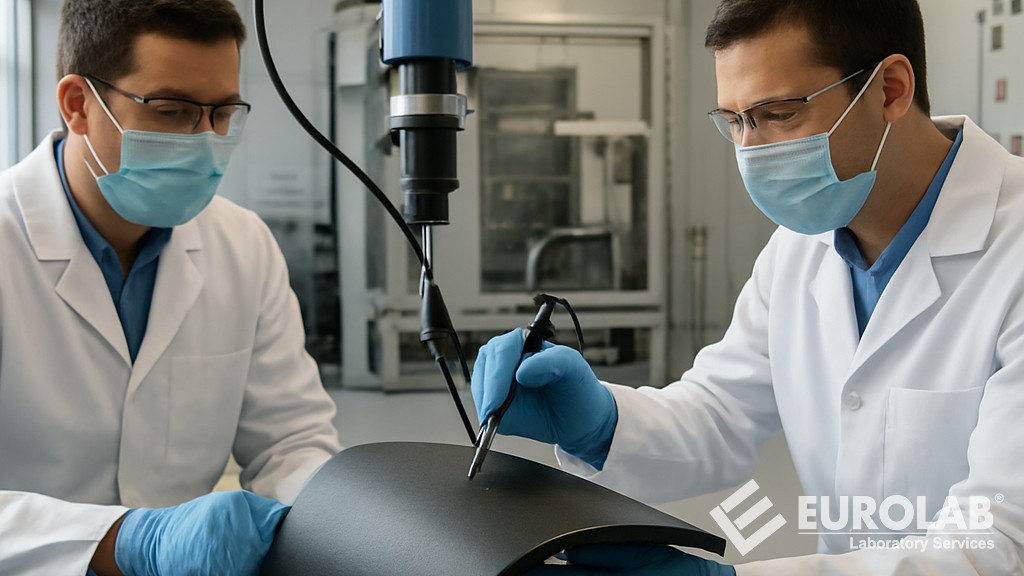
This standard primarily assesses how well a material's surface resists scratches caused by various mechanisms. It ensures that BMW parts maintain their aesthetic quality and functionality over time. The key considerations are:
This standard includes multiple test methods to evaluate different types of scratch/abrasion damage. Accredited testing laboratories perform the following tests for supplier qualification:
Other possible sections (e.g., BMW PR 307.4 § 5.3 drop test or similar) may apply depending on the component.
After testing, surfaces are visually inspected, measured (e.g., gloss, scratch depth via microscopy), and graded according to BMW's acceptance criteria. Failure may prevent the part from being approved for production.
This standard is often considered alongside other standards such as BMW PR 306 (solar simulation), BMW PR 308 (climate/vibration), or BMW PR 309 for comprehensive durability testing of automotive materials.
These tests help suppliers ensure parts meet BMW approval standards and guarantee compliance before series production begins. These tests are aligned with broader automotive industry norms but tailored to BMW's high quality expectations for premium finishes.
In the automotive world, scratch resistance is critical to perceived quality. Customers expect BMW interiors and exteriors to withstand keys, nails, cleaning agents, or accidental contact without leaving marks. Poor performance can lead to warranty claims or negative reviews.
Common applications of this standard include:
For suppliers, engineers, or those working on material qualification studies, this standard is crucial for verifying surface durability. This standard is commonly referred to as BMW PR 307.4. Containing requirements and test methods for evaluating the scratch susceptibility of component surfaces in vehicles, this standard applies to a variety of interior and exterior parts, particularly plastics, painted surfaces, upholstery, coatings, leather-like materials, and other high-visibility or high-contact areas. The aim is to ensure these surfaces are resistant to visible damage from mechanical wear, cleaning, fingernails, keys, or everyday contact, and to maintain the perceived quality of the vehicle throughout its lifespan.
BMW applies strict surface durability standards to prevent customer complaints caused by scratches on instrument panels, door panels, center consoles, bumpers, or exterior trim.
The BMW PR 307.4 standard is essential because scratch resistance directly impacts the long-term perceived quality, customer satisfaction, and economic performance of BMW vehicles. In the premium automotive segment where BMW competes, buyers expect surfaces (especially interior surfaces such as the instrument panel, door panels, consoles, and exterior trim/painted plastics) to look like new for many years despite daily use. Poor scratch resistance leads to visible damage that quickly degrades this premium feel.
The main reasons why this standard is important are:
In conclusion, the BMW PR 307 standard is not merely a testing procedure, but a strategic tool for BMW to maintain its premium position, reduce long-term costs (warranty/resale), and deliver a durable, high-quality experience.
For many years, our organization, with its competent and experienced team, has been understanding the needs of its clients, providing the advanced testing services they require, and assisting them in the establishment, implementation, and improvement of management systems. Within this framework, we also provide testing services in accordance with the BMW PR 307 standard.
To get an appointment, to get more detailed information or to request an evaluation, you can ask us to fill in our form and reach you.

