KIA MS210-12 Molded Plastic Parts - Engine Compartment Use
Developed by Hyundai-Kia Motors Corporation, the oldest motor vehicle manufacturer in Korea, the standard “KIA MS210-12 Molded plastic parts - Engine compartment use” describes the general quality of molded plastic parts used in powertrain or chassis applications. This specification is generally used for molded plastic parts of powertrain or chassis or as specified in engineering drawing.
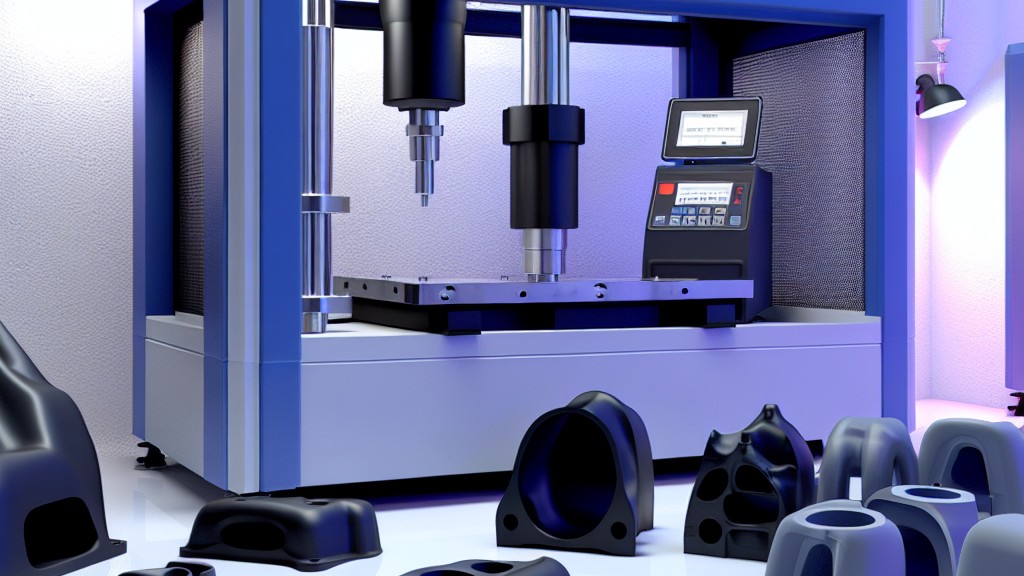
In terms of general requirements, the surface of the parts should not have any defects, irregular gloss, sunburn, excessive welding marks, flow marks, pin holes, adhesion or other defects. In terms of detailed requirements, the parts should be tested with the methods specified in the table given in the standard under this title and should comply with the requirements in this table.
In the table titled “Detailed requirements” these requirements are defined on the following basis:
- Heat and humidity
- Cycle resistance
- Weather resistance
- Vibration resistance
- Water resistance
- Chemical resistance
- Impact resistance
- Internal space
- Heavy metals and harmful substances
The standard laboratory condition for testing is 23 degrees plus/minus 2 degrees and 50 percent plus/minus 5 percent relative humidity. Samples should be selected from finished products made under the same conditions as mass production parts or their equivalents. Test samples are conditioned under standard laboratory conditions for 24 hours and then assembled according to the drawing.
Test methods described in this standard include:
- Heat and humidity cycle resistance test: The heat resistance test (heat cycle test) shown in the figure given in the standard should be repeated three times. If specified, it should be in accordance with the temperature specified in the engineering drawing.
- Weather resistance test: Weather-o-meter and Xenon arc are used as specified in this standard. This test is repeated at least three times.
- Vibration resistance test: When performing this test, the axis is moved up and down for 4 hours, left and right for 2 hours, and back and forth for 2 hours, taking into account the vibration frequency and vibration speed specified in the standard. The changes are then examined. This test is only performed if specified in the engineering drawings. In addition, this test is performed at least once.
- Water resistance test: The sample is immersed in a water bath at 240 degrees plus/minus 40 degrees for 2 hours, then the surface is washed with water. Compressed air is used to dry it and left for 1 hour under the conditions specified in this standard. Any color change and surface defects (such as bubbles) are examined. It is also possible to use the assembled part for this test. This test is carried out at least three times.
- Chemical resistance testing: The types of chemicals to be used and their brand names are shown in a table. Two test methods are applied to any molded product except lamp lenses: wipe testing and spot testing.
- Internal void: This test method is applied only if specified in the engineering drawings. This test is performed on the parts of the part specified in the engineering drawings. The relative size and shape of the internal voids are defined as shown in the figure given in the standard. The internal voids of the specimen should be classified and arranged according to the table and figure given in the standard.
The test report is submitted to the relevant departments. When materials and suppliers are changed, the test report must be resubmitted and approved. The test report is prepared in accordance with the template provided in the standard.
Other international standards on which this standard is based are:
- ISO 105 Textiles - Colour fastness tests
- ASTM D6695-16 Standard Practice for Xenon Arc Exposure of Paints and Related Coatings
- JSA-JIS L 0843 Test methods for color fastness to xenon arc lamp light
- SAE J 2527 Performance-based standard for accelerated exposure of automotive exterior materials using controlled-beam xenon arc apparatus
Our organization has a strong staff that closely follows the developments in the world in the field of science and technology and constantly improves itself. Among the numerous test, measurement, analysis and evaluation studies provided for businesses in various sectors, there are also test services in accordance with the "KIA MS210-12 Molded plastic parts - Engine compartment use" standard.



