

The “Ford FLTM BO 163-01 Dent Test for Metal Applique Interior Parts” standard, developed by Ford Motor Company (Ford), describes a test method used to evaluate the dent resistance and impact performance of interior trim components containing metal decorative appliques or metal accent pieces.
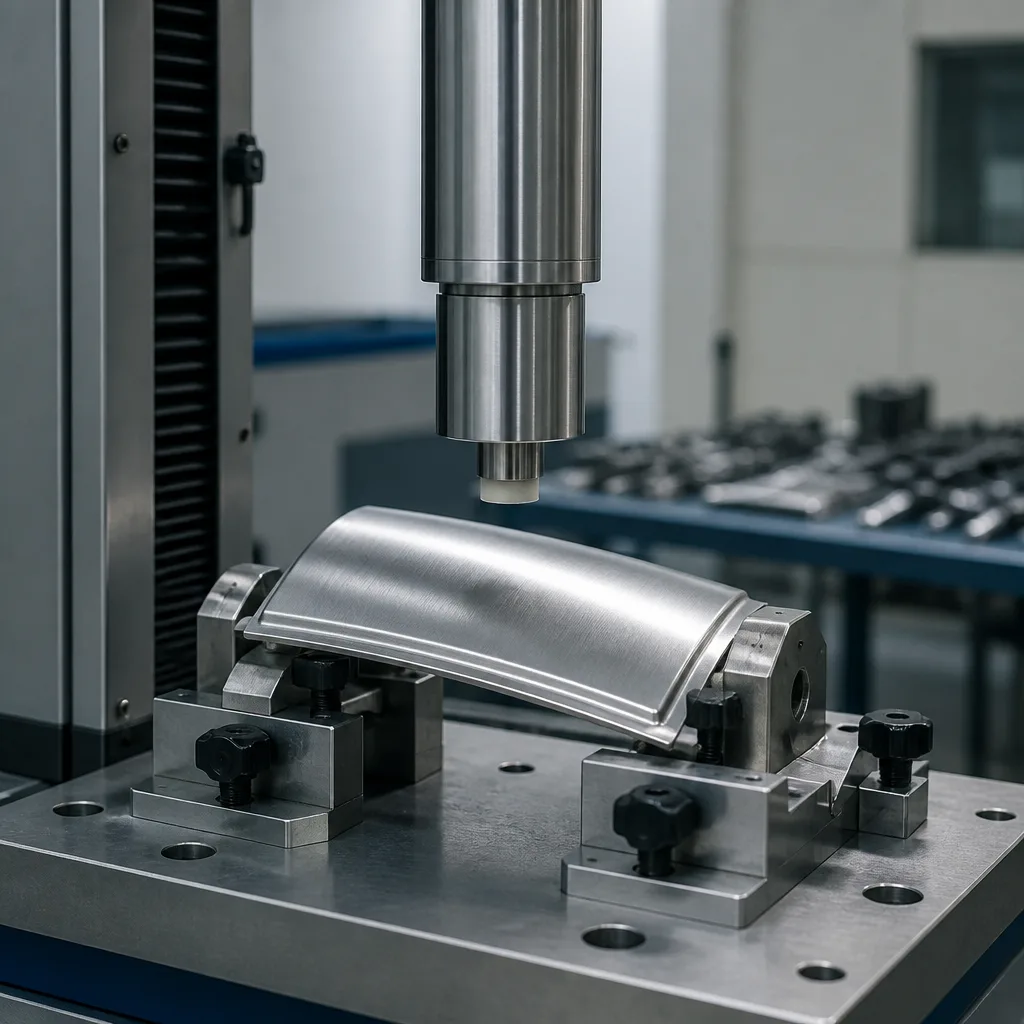
Modern vehicle interiors often incorporate decorative metallic elements, including the following:
These parts are subjected to accidental impacts from keys, tools, luggage, mobile devices, and everyday customer use. The Ford FLTM BO 163-01 standard provides a controlled method to determine whether these components can withstand such impacts without developing unacceptable dents, deformations, cracks, or cosmetic damage.
This standard applies primarily to:
The primary purpose of this standard is to evaluate the durability of both the visible metal surface and the underlying support structure when subjected to impact loads.
The test typically includes the following:
Impact energy, impact applicator characteristics, support conditions, and evaluation procedures are defined in the Ford specification to ensure repeatability among laboratories and suppliers.
During testing, engineers evaluate the following typical failure modes:
Any of these failures could affect a customer's perception of quality and the long-term durability of the components.
Vehicle interiors, in particular, are highly visible to customers. Even minor dents or cosmetic imperfections can negatively impact perceived vehicle quality. This testing method helps manufacturers in the following areas:
By verifying crush resistance before production, suppliers can identify weaknesses in material selection, thickness, bonding methods, or substrate design.
The Ford FLTM BO 163-01 standard is frequently used in conjunction with other interior durability standards, including:
Together, these standards comprehensively evaluate the performance, appearance, and perceived quality of interior components.
The Ford FLTM BO 163-01 standard is considered important because it evaluates the resistance of interior components with metal trim or decorative metal surfaces to crushing and impact during normal vehicle use. In modern vehicles, decorative trim elements are highly visible and significantly contribute to the customer's perception of quality. This standard is necessary for the following reasons:
Even minor dents can make a vehicle's interior look worn or poorly manufactured. This standard helps ensure these surfaces maintain an attractive appearance throughout the vehicle's lifespan.
This allows suppliers to select designs that provide the best balance between appearance, durability, weight, and cost.
In short, this standard is important because it verifies the crush resistance and impact durability of interior parts with metal appliques.
In short, the Ford FLTM BO 163-01 standard defines a specific impact test designed to evaluate the crush resistance of automotive interior parts containing metal appliques. This method helps ensure that decorative interior surfaces maintain their appearance and structural integrity throughout the vehicle's lifespan. By checking impact conditions and evaluating the resulting damage, Ford and its suppliers can verify that interior trim components meet stringent durability and quality expectations.
For many years, our organization, with its competent and experienced staff, has been understanding the needs of its customers, providing the advanced testing services they require, and assisting them in the establishment, implementation, and improvement of management systems. Within this framework, we also provide testing services to businesses in accordance with the Ford FLTM BO 163-01 standard.
To get an appointment, to get more detailed information or to request an evaluation, you can ask us to fill in our form and reach you.

