

The “Fiat PF-90192 Floor Console Mount” standard, developed by Fiat Chrysler Automobiles (FCA) (now Stellantis), an Italian-American automotive company, is an internal automotive performance and verification specification used for testing vehicle components, assemblies, and internal systems. This standard belongs to Fiat’s family of engineering specifications and is primarily applied during product qualification, durability verification, environmental testing, and safety verification of automotive parts. The standard includes various test sections such as vibration resistance, thermal aging, and flammability performance.
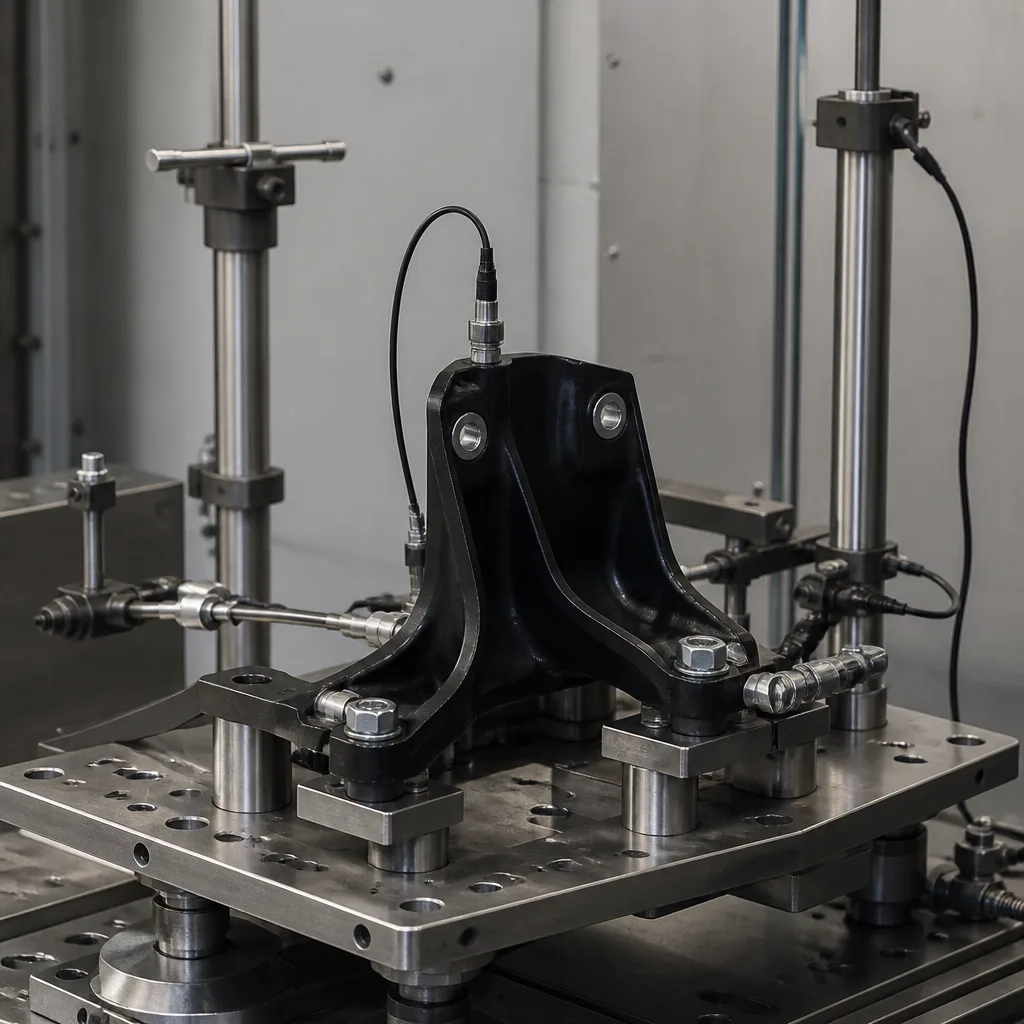
The Fiat PF-90192 standard is designed to ensure that automotive materials and components can withstand the environmental and mechanical stresses encountered throughout the vehicle's lifespan. It helps Fiat and its supplier companies verify the following:
This standard is particularly important for:
The various test categories defined in the Fiat PF-90192 standard are as follows:
Thermal aging is critical because automotive interiors can be exposed to high temperatures for extended periods, especially in hot climates.
Typical assessments include the following:
The goal is to determine whether the components do the following:
Typical vibration parameters include:
Since constant vibration can lead to squeaks, rattling, and premature failures, vibration testing is extremely important for internal systems.
Interior materials in vehicles must comply with fire safety requirements to reduce risk during electrical failures or accidents. Materials typically tested include:
The Fiat PF-90192 standard is commonly used by the following sectors and suppliers:
Tests are usually performed before the following stages:
The Fiat PF-90192 standard is often used in conjunction with other Fiat engineering specifications:
This standard is part of a broader original equipment manufacturer quality assurance system used throughout vehicle development.
The Fiat PF-90192 standard is necessary because it provides a standardized method for evaluating whether vehicle components can withstand the environmental, mechanical, and safety-related stresses that the vehicle may encounter throughout its lifespan. Without such a specification, suppliers could use different test methods and acceptance criteria, leading to inconsistencies in component quality and durability. This standard is considered important for the following reasons:
This standard verifies that the parts maintain their functionality and appearance throughout the vehicle's expected service life.
Identifying these problems during the development phase is far less costly than addressing them after the vehicles have been sold.
This consistency ensures that components from different suppliers meet the same performance expectations.
This allows engineers to predict how components will behave before mass production.
In conclusion, the Fiat PF-90192 standard is a crucial automotive validation specification focusing on the durability, environmental resistance, vibration resistance, thermal aging, and flammability performance of vehicle components. This standard helps ensure that automotive components maintain their safety, quality, and reliability throughout the vehicle's lifespan. The tests are essential for validating modern automotive interior and structural components under realistic operating conditions.
For many years, our organization, with its competent and experienced staff, has been understanding the needs of its customers, providing the advanced testing services they require, and assisting them in the establishment, implementation, and improvement of management systems. Within this framework, we also provide testing services in accordance with the Fiat PF-90192 standard.
To get an appointment, to get more detailed information or to request an evaluation, you can ask us to fill in our form and reach you.

