

BMW GS 93052-3 Unpainted Plastic Surfaces on Exterior - Elastomers

BMW GS 93052-3 Unpainted Plastic Surfaces on Exterior - Elastomers

Developed by BMW, a multinational vehicle manufacturer, the “BMW GS 93052-3 Unpainted plastic surfaces on exterior walls - Elastomers” standard describes the requirements and test methods for unpainted plastic surfaces on the exterior of vehicles, focusing specifically on elastomers (rubber-like materials).
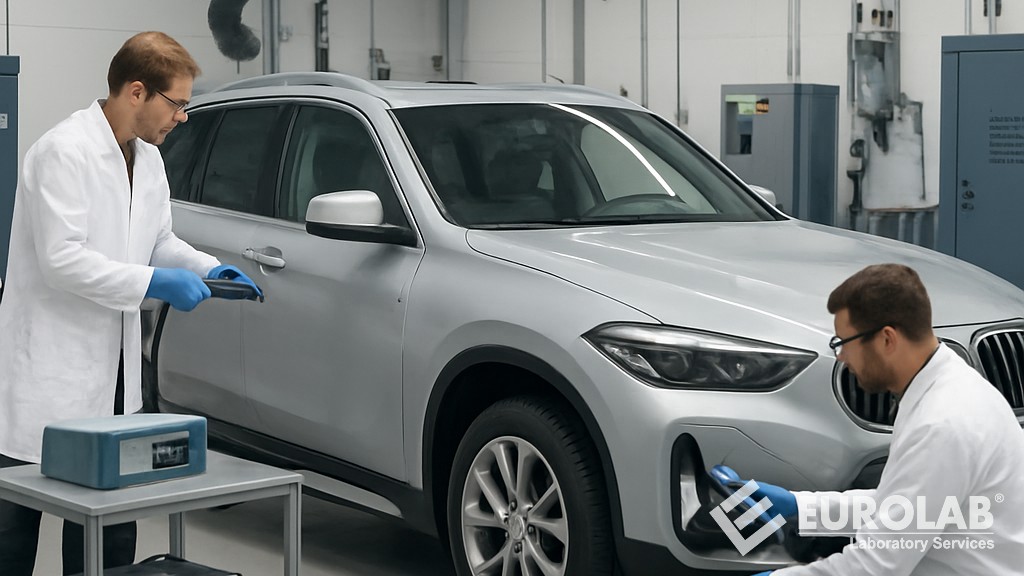
BMW GS 93052-3 Unpainted Plastic Surfaces on Exterior - Elastomers

This standard ensures that unpainted exterior elastic components, such as gaskets, air seal strips, bumpers, trim elements, protective moldings, or flexible body parts, maintain their appearance, mechanical properties, and durability under real-world environmental stresses. These parts are exposed to sunlight (UV radiation), extreme temperatures, humidity, chemicals (e.g., road salt, cleaning agents), and mechanical abrasion without paint protection. This specification is part of BMW’s broader range of material and test norms for exterior plastics.

The BMW GS 93052-3 standard includes rigorous environmental simulations and durability tests, including the following:

  • Xenon arc weather resistance tests to simulate prolonged sunlight exposure:
  • Kalahari mode: Dry-hot climate simulation (e.g., Kalahari desert, Arizona, South African conditions). This mode includes intense dry heat and UV radiation.
  • Florida mode: Humid-warm climate simulation (e.g., Florida conditions). This mode includes high humidity, heat, and UV radiation.
  • Visual evaluation criteria for assessing changes such as cracking, chalking, fading, loss of gloss, or discoloration after exposure.
  • Other typical tests include: heat aging, moisture resistance, chemical resistance, mechanical properties (tensile strength, elongation), and adhesion if coatings are involved.

These tests help suppliers qualify materials so that parts remain functionally and aesthetically acceptable for the vehicle's lifespan (typically 10-15 years or more).

The BMW GS 93052-3 standard primarily applies to BMW automobiles (passenger cars), but similar principles extend to different models where unpainted elastomers are used in windshield seals, handguards, footrest rubbers, or engine protection elements. However, this standard is aimed at automotive exterior applications.

For BMW suppliers and quality engineers, compliance with the BMW GS 93052-3 standard is mandatory for part approval. Advanced laboratories offer accredited test sequences according to this standard, including full exposure cycles and post-test evaluations.

In short, this standard is one of the cornerstones of BMW's quality assurance for weather-resistant exterior plastics, helping vehicles maintain reliable performance even after years of harsh conditions. Essentially, this standard is necessary because unpainted elastomeric (rubber-like) parts on the vehicle's exterior are exposed to the most challenging real-world conditions without any protective paint layer. This standard is considered important for the following reasons:

  • Excessive environmental exposure without paint protection: Painted surfaces have a protective top coating that blocks UV rays, reduces oxidation, and limits cracking or fading. Unpainted elastomers (e.g., door seals, window seals, bumper spoilers, sill moldings, flexible wheel arch covers, or protective strips) are directly exposed to:
  • Intense UV radiation (sunlight causes photo-oxidation, brittleness, and surface cracking).
  • Wide temperature variations (from freezing winters to hot summers) accelerate material fatigue.
  • High humidity, rain, and road salt (promote hydrolysis or chemical attack).
  • Ozone, oxygen, and pollutants.

Without rigorous qualification testing, these parts could crack, chalk, change color, lose elasticity, or become brittle within a few years. This is unacceptable for a brand whose vehicles typically remain in service for 10-15 years.

  • Customer expectations for long-term aesthetics and functionality: BMW positions itself as a premium manufacturer. Customers expect exterior components, especially visible unpainted black or dark-colored parts, to look virtually new even after years of use. Visible deterioration (e.g., white chalking or cracked coatings on rubber seals) makes the car look neglected or cheap. Functional problems (e.g., hardened seals that no longer provide a proper seal) lead to water leaks, wind noise, or reduced comfort; these problems result in costly complaints and repairs.
  • Global market and climate diversity: BMW sells vehicles all over the world, from hot/dry deserts to humid tropics and cold/salty regions. This standard uses accelerated weather resistance tests that simulate these extreme conditions: Kalahari mode includes intense dry heat and high UV. Florida mode includes humid heat and UV. These ensure that a single material formulation reliably performs in a variety of climates, preventing region-specific failures or the need for multiple material variants.
  • Supplier quality control and part approval: BMW mandates this standard for supplier qualification and production part approval processes. This standard provides objective and repeatable testing criteria (e.g., visual assessment after exposure, absence of excessive cracking/chalking, preservation of mechanical properties such as elongation and tensile strength). This prevents substandard materials from entering production, reduces field failures, and minimizes costly recalls or warranty payments.
  • Legal, safety, and economic reasons: Damaged seals can compromise protection against water ingress and lead to potential electrical failures or internal damage. Fragile exterior parts increase the risk of injury in pedestrian collisions. Premature failures increase aftermarket costs. Rigorous prior testing prevents these problems.

In conclusion, the BMW GS 93052-3 standard is designed to guarantee that unpainted elastomeric exterior components provide long-term durability, consistent appearance, and reliable performance in real-world conditions. It is not optional; it is an essential part of ensuring that the vehicle ages gracefully over time and retains its value.

For many years, our organization, with its competent and experienced staff, has been understanding the needs of its clients, providing the advanced testing services they require, and assisting them in the establishment, implementation, and improvement of management systems. Within this framework, we also provide testing services in accordance with the BMW GS 93052-3 standard.

WhatsApp

