

Ford Motor Company (Ford) developed the Ford WSS-M9P10-A Performance Specifications for Glazing Tape, Beltline (Interior/Exterior) Weatherstrips, and Static Fixed Glazing Weatherstrips standard. This standard describes the minimum durability and performance requirements for glazing tape (interior/exterior) weatherstrips, glass-mounted glazing sealants, or static weatherstrips for glazing. This standard is intended for use in conjunction with Ford WSS-M99P1111-A Standard Requirements for Manufacturing Materials.
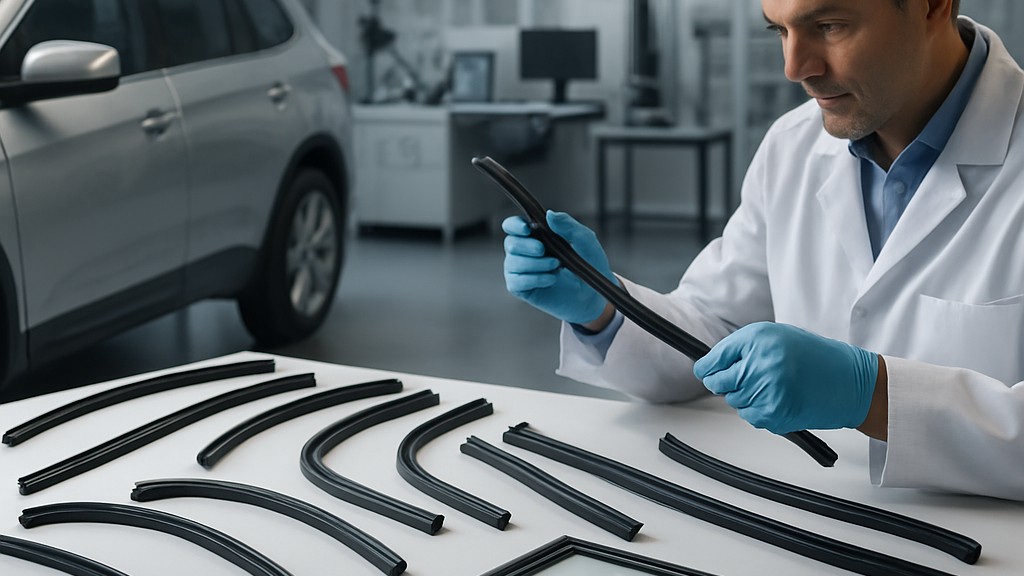
In the complex world of automotive manufacturing, every component must withstand the rigors of daily use, environmental influences, and mechanical stress. Ford Motor Company has established rigorous standards to ensure quality and reliability. One of these standards, Ford WSS-M9P10-A, is the cornerstone of performance for weather sealing components critical to vehicle sealing and comfort. This standard includes minimum durability and performance requirements for specific elastomeric parts that protect occupants from the elements while maintaining aesthetic and functional integrity.
Ford's engineering standards focus on elastomeric materials, which are rubber-like polymers that provide flexibility, sealing, and durability. The Ford WSS-M9P10-A standard is designed to be used in conjunction with the general test protocol described in the Ford WSS-M99P1111-A standard. This pairing ensures that components not only meet specific performance criteria but also comply with broader material validation procedures, including environmental durability, aging, and fatigue testing.
As vehicles evolve toward higher efficiency, quieter cabs, and enhanced safety, the WSS-M9P10-A standard plays a key role in supplier selection and quality control, impacting everything from design prototyping to end-of-line inspections.
The Ford WSS-M9P10-A standard specifically targets three primary categories of air seal components:
These components are widely available across the Ford range and contribute to noise, vibration, and harshness reduction, as well as overall vehicle water resistance. The specification applies to both original equipment and aftermarket parts, ensuring consistency across global manufacturing facilities.
The Ford WSS-M9P10-A standard essentially requires a set of performance criteria to simulate real-world conditions. Key elements of this standard include:
These tests are cross-referenced with the Ford WSS-M99P1111-A standard, which provides comprehensive guidelines for material verification, including chemical compatibility with cleaners and flammability per FMVSS 302 standard.
Ultimately, the Ford WSS-M9P10-A standard exemplifies the precision engineering that underpins the automotive giant's reputation for durable, driver-focused vehicles. By setting rigorous standards for weatherproofing, it protects against the invisible challenges of rain, wind, and time, ensuring that every vehicle on the road is a haven of comfort and control. For engineers, suppliers, or enthusiasts researching automotive specifications, this document is much more than a checklist.
Our organization, with its competent and experienced team, has been understanding the needs of its customers for years, providing them with the advanced testing services they need, and assisting them in the establishment, implementation, and improvement of management systems. In this context, we also provide testing services in accordance with the Ford WSS-M9P10-A standard for performance characteristics of glass insulation strips, beltline (interior/exterior) insulation strips, and static fixed glass insulation strips.
To get an appointment, to get more detailed information or to request an evaluation, you can ask us to fill in our form and reach you.

