

The standard “MBN 10494-7 Paint test methods - Part 7: Resistance to chemicals, test mixtures and test concentrates” developed by the Mercedes Benz Group describes test methods for examining the quality and properties of paints, varnishes and coatings in the following cases:
The relevant requirements are contained in material-specific standards.
Dye testing methods are used to:
The general requirements in this standard are described as follows:
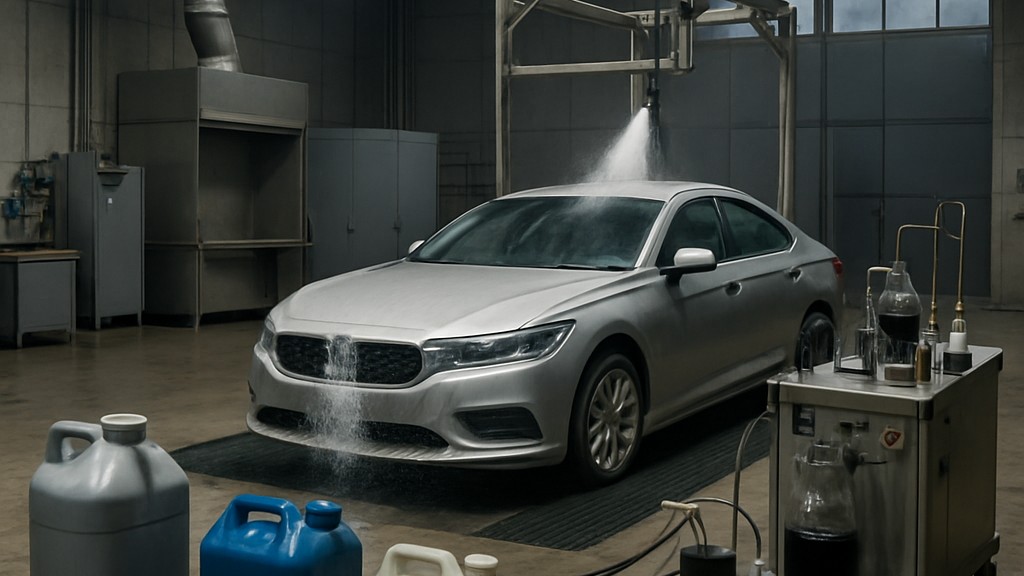
When determining resistance to chemicals, test mixtures, and test concentrates, the DBL 7384 standard applies to testing the chemical resistance of coated plastic parts in vehicle interiors. These tests can be performed on test panels in accordance with the "Sampling, test panels" section of the MBN 10494-1 standard. The paint texture of the samples must be compatible with the paint texture of the relevant application area. It must be determined whether visible surface changes have occurred (such as gloss change, color change, cracking, blistering, swelling, shrinkage).
Tests for resistance to chemicals, test mixtures and test concentrates include:
Like many proprietary standards published by automotive original equipment manufacturers, the MBN 10494-7 standard plays an important role in ensuring the quality, consistency and performance of components and materials used in vehicle production.
The MBN 10494 series of standards consists of several sections, each outlining specific test procedures, acceptance criteria, and material requirements. These are typically applied to plastic components, elastomers, and coatings that must meet stringent standards to ensure long-term performance in automotive environments. Each section of the series covers a different test method or material property. The MBN 10494-7 standard focuses on a specific set of tests or material criteria. This standard covers test procedures for weatherability, aging behavior, or material compatibility. These primarily concern:
Compliance with the MBN 10494-7 standard is generally mandatory for Mercedes-Benz suppliers. These standards help ensure:
This standard plays a role in supplier qualification, material approval, and product verification. This standard references or may incorporate international test methods such as ISO 4892 (artificial weathering) or ISO 527 (tensile properties of plastics), but modifies them to reflect the specific in-service conditions found in Mercedes-Benz vehicles.
Access to the MBN 10494-7 standard is generally limited to certified suppliers, R&D partners and contract laboratories.
This standard is important because it plays a critical role in ensuring the performance, durability, and safety of the materials and components used in Mercedes-Benz vehicles. The key reasons for this standard's importance are:
This standard raises the technical bar for the entire automotive materials industry.
Consequently, the MBN 10494-7 standard is one of many technical standards used by Mercedes-Benz to ensure the reliability and performance of the materials used in its vehicles. Its importance in the automotive supply chain cannot be overstated. Suppliers aiming to work with Mercedes-Benz should be familiar with these standards and conduct in-house testing or partner with certified laboratories to demonstrate compliance.
Our organization, which has been serving for many years and meticulously following global developments in science and technology, employs a skilled team and extensive infrastructure to conduct testing, measurement, and analysis in a wide range of areas for businesses across all sectors. In this context, we also provide testing services in accordance with the standard "MBN 10494-7 Paint test methods - Part 7: Resistance to chemicals, test mixtures, and test concentrates."
To get an appointment, to get more detailed information or to request an evaluation, you can ask us to fill in our form and reach you.

