

The “VW PV 3952 Scratch Resistance” standard, developed by the Volkswagen automotive company, describes a method for determining the scratch resistance of untreated plastic surfaces in the interior and exterior of vehicles. This method evaluates the scratch resistance of painted and unpainted plastic interior components using a cross-cut test.
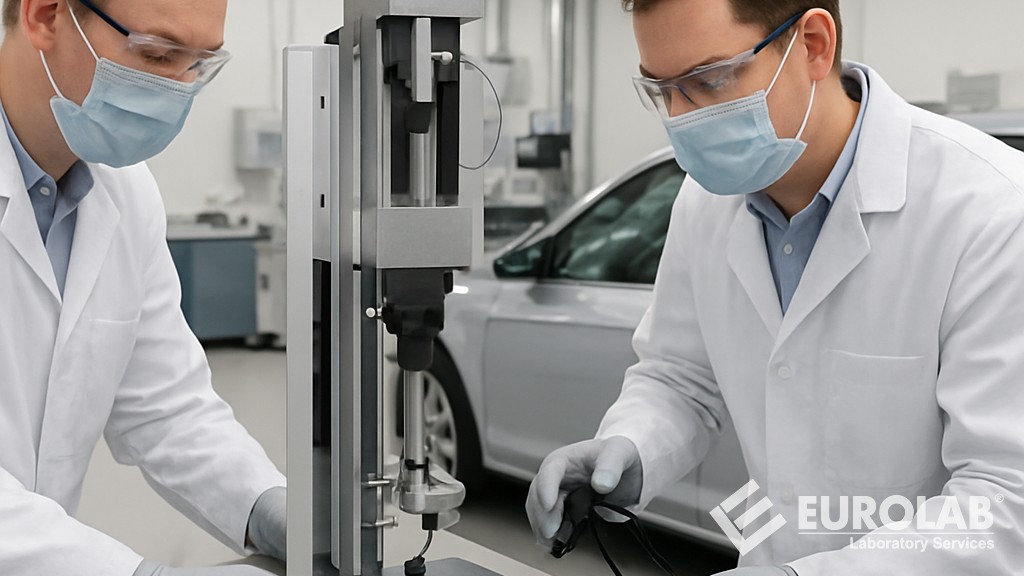
In the high-risk world of automotive manufacturing, where every detail contributes to user satisfaction and vehicle longevity, material durability is paramount. Volkswagen Group (VW), one of the world's largest car manufacturers, has long been a pioneer in setting rigorous quality standards for its suppliers. Among these, the VW PV 3952 standard stands out as a critical benchmark for evaluating the scratch resistance of plastic components used in vehicle interiors. Widely implemented today, this standard ensures that instrument panels, door panels, and other contact points withstand daily wear and tear without compromising aesthetics or functionality.
PV standards, which form the basis of Volkswagen's internal testing protocols for materials and components, are designed to simulate real-world conditions and prevent common failure modes.
Scratch resistance is not merely a cosmetic concern, but a matter of perceived quality. Even a single scratch on the center console can damage consumer confidence and lead to warranty claims. By making this test mandatory, VW is forcing suppliers to innovate in materials science and opt for high-performance polymers, such as polycarbonate blends or textured surfaces, that are resistant to scratches from keys, fingernails, or impact. The standard's scope is narrow but precise. It applies to flat or slightly curved surfaces in passenger compartments and excludes high-wear areas such as gear levers, which fall under the scope of other protocols.
The VW PV 3952 standard essentially uses the cross-cut scratch test, a controlled simulation of abrasive contact to measure surface integrity. This testing process generally involves the following steps:
The speed is constant at 1.000 mm/min, simulating a fast slide rather than a slow drag.
This methodical approach minimizes subjectivity, enabling global laboratories to certify materials consistently. This method is often an external validation tool integrated into broader qualification workflows.
The VW PV 3952 standard is not only required for compliance, but also a driving force for innovation. Suppliers must formulate resins with improved crosslinking or scratch-resistant additives to meet this standard, leading to advancements in sustainable plastics with low volatile organic compound content.
Despite its effectiveness, the VW PV 3952 standard has limitations. Critics argue that dynamic tests involving vibration or humidity are necessary. VW, however, claims that the grid method correlates well with field failures. Updates are improving digital colorimetric measurements.
The VW PV 3952 standard is considered important for the following reasons:
In conclusion, the VW PV 3952 standard exemplifies Volkswagen's engineering philosophy: rigorous, unforgiving, and ultimately beneficial. It provides protection against the common threat of scratches.
For many years, our organization, with its competent and experienced staff, has been understanding the needs of its customers, providing the advanced testing services they require, and assisting in the establishment, implementation, and improvement of management systems. Within this framework, we also provide testing services to businesses in accordance with the "VW PV 3952 Scratch Resistance" standard.
To get an appointment, to get more detailed information or to request an evaluation, you can ask us to fill in our form and reach you.

