Method of Testing the Smell of Nissan NES M0160 Interior Parts
The standard “Nissan NES M0160 Method of testing the odor of interior parts” developed by the Nissan automobile company describes odor testing methods for automotive interior parts. These test methods are applied to the interior of vehicles.
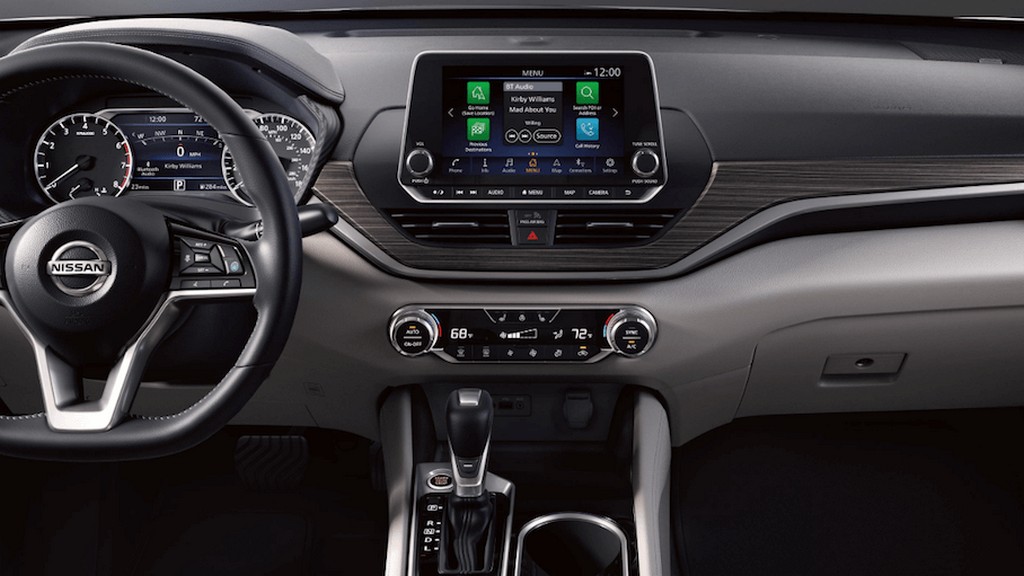
This standard provides four types of test methods for determining the odor of vehicle interior parts:
- Method (1): Odor test at room temperature
- Method (2): High temperature odor test
- Method (3): Humidified odor test (room temperature / high temperature)
- Method (4): Room temperature exposure odor test
The application of each of these test methods depends on the materials used in the production of the part and these properties are included in the table provided in the standard. For example,
- PP, ABS, PVC, POM, PET, various types of rubber, carpet, fabric, artificial leather, synthetic leather, vinyl leather fabric, vinyl sheet, TPO, TPU, PVC, coating (leather material composite without hygroscopic material) and other non-hygroscopic Method 1 and Method 2 for materials.
- Method 1, Method 2 and Method 3 for resin-reinforced wood powder/wood fiber, plywood, veneer (leather material composite containing hygroscopic material), nylon, urethane, genuine leather and other hygroscopic materials.
- Method 1, Method 2 and Method 4 for chipboard, chipboard, resin felt and other materials made of phenolic resin-reinforced fibers.
When starting the tests, first of all, the condition of the test sample is adjusted for 20 hours or more in an environment of minus 5 plus/minus 50 degrees temperature and 10 percent plus/minus 24 percent relative humidity.
Test conditions and pre-treatments for each test method are described in the table provided in the standard. The pretreatment condition refers to the state of the processing performed before the sample is placed in the test equipment after the state adjustment described above, and the test condition refers to the state after it is placed in the test equipment.
When carrying out an odor test (high temperature conditions) using a surface film or a coating alone, the maximum temperature of the test conditions is determined not by the temperature conditions given in the table, but by the following arrival fields:
- 70 degrees for hot regions (target S category) (e.g. North America, Central and South America, China, Australia, Central Near East, Southeast Asia etc.)
- 60 degrees for general (target D category) (e.g. Japan, Europe etc.)
The main equipment used in these tests includes:
- Fragrance box (shape shown in standard).
- Scent bag: The scent bag specified in the “triangle scent bag method” determined by the Tokyo Metropolitan Environmental Protection Research Institute or its equivalent made of polyester is used.
- Odorless air (air passed through activated carbon to remove odorous substances). Odorless air is taken from a special chamber. It can also be created using the odorless air filling device shown in the standard. However, if a piece of test equipment is made of a single material, it can be placed directly into the odor bag described above to control odor.
- Substances representing standard fragrance and fragrance quality. The standard fragrance is 1-butanol solution. Substances representing odor quality are chemicals listed in the table within the standard.
- Test paper. It is a thick fragrance paper, 0,7 cm wide, 14 cm long and 0,3 mm thick, with a folded line at the end or a triangular tip as a guide for dipping into liquid.
Among the numerous testing, measurement, analysis and evaluation studies it provides for businesses in various sectors, our organization also provides testing services defined in the "Nissan NES M0160 Method of testing the smell of interior parts" standard, with a trained and expert staff and advanced technological equipment.



