

The “Ford FLTM BN 107-02 Friction Test - Instrumental Evaluation” standard, developed by Ford Motor Company (Ford), describes a test method used to evaluate the color transfer (friction resistance) of automotive interior upholstery materials using an instrumental measurement approach. This standard belongs to a broader series of standards focusing primarily on interior textiles, coated fabrics, leathers, and upholstery materials used in vehicle seats and cabin surfaces.
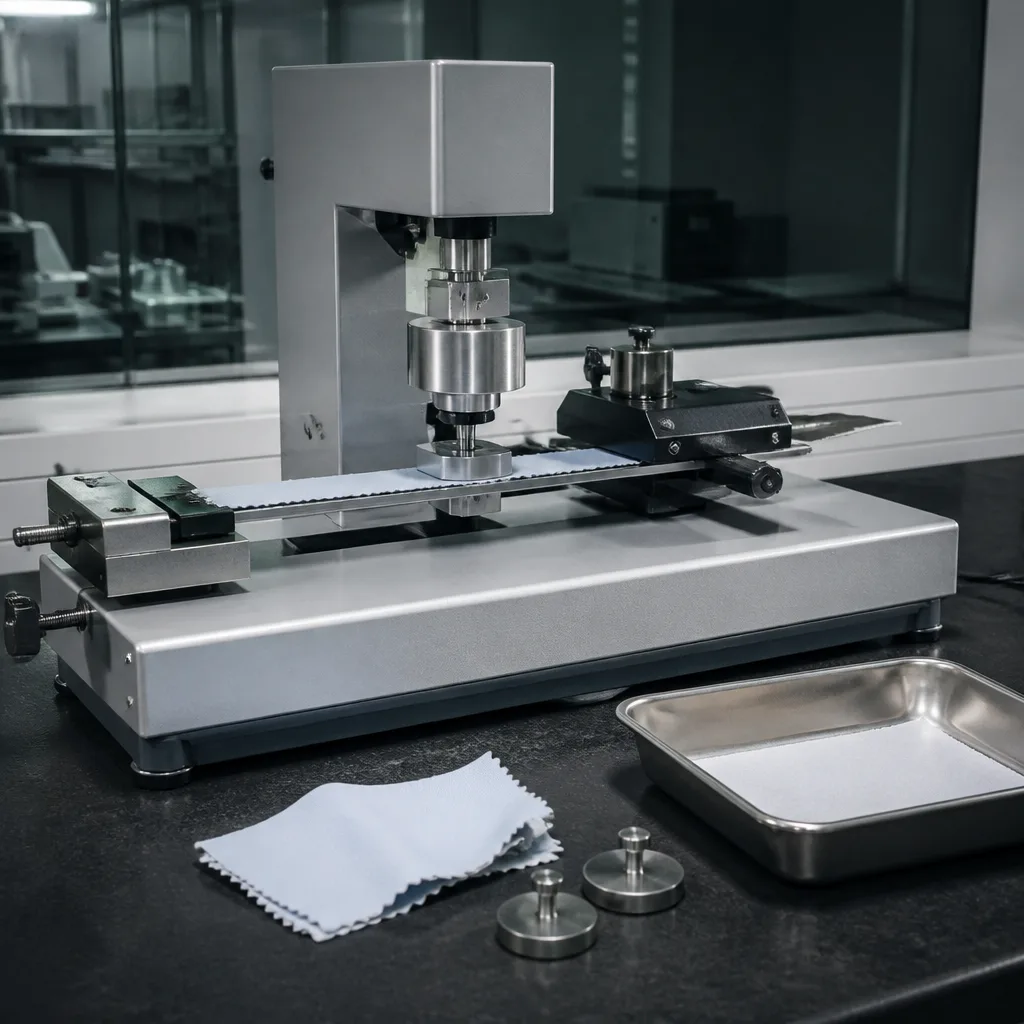
Friction refers to the transfer of a material's color (dye or pigment) to another surface due to friction or abrasion. In automotive and textile testing, this is a key indicator of color fastness and surface durability. When combined with instrumental evaluation, this means the assessment is performed using measuring devices rather than relying on human visual judgment.
In instrumental evaluation, instead of simply looking at how stained the test strip appears, the result is measured using instruments such as:
These tools measure the following:
This makes the results more objective, more repeatable, and less dependent on human interpretation.
Paint abrasion occurs in the following situations:
Typical real-world examples include:
The primary purpose of the Ford FLTM BN 107-02 standard is to define the following:
This standard, unlike the Ford BN 107-01 standard (which is typically a more visual or manual friction assessment), focuses on instrumental assessment, increasing repeatability and reducing human subjectivity.
This testing method simulates real-life friction conditions such as those listed below:
During the test, a sample of material is rubbed under standardized conditions, and the degree of color transfer is measured using instruments rather than solely through visual evaluation.
A typical assessment includes the following:
This standard generally applies to the following:
Automotive seat fabrics (woven, knitted, nonwoven)
This test generally follows these steps:
The differences between this standard and the Ford FLTM BN 107-01 standard are as follows:
In automotive engineering, the Ford FLTM BN 107-02 standard is typically used in the following stages:
This standard is particularly important for premium interior vehicles where aesthetic durability is a key selling factor.
The Ford FLTM BN 107-02 standard is important because it controls a type of defect that is very visible and sensitive to the customer in vehicle interiors: color transfer (friction). Even small amounts of paint transfer can quickly become a noticeable quality problem. The main reasons why this standard is important are as follows:
This standard enables problems to be identified before production by simulating these conditions.
Testing at an early stage helps avoid large later-stage costs.
In conclusion, the Ford FLTM BN 107-02 standard defines an instrument-based friction (color transfer) test used to evaluate how resistant automotive interior materials are to paint transfer under friction. It improves accuracy, repeatability, and supplier comparability compared to purely visual friction methods.
For many years, our organization, with its competent and experienced staff, has been understanding the needs of its customers, providing the advanced testing services they require, and assisting them in the establishment, implementation, and improvement of management systems. Within this framework, we also provide testing services to businesses in accordance with the Ford FLTM BN 107-02 standard.
To get an appointment, to get more detailed information or to request an evaluation, you can ask us to fill in our form and reach you.

