

The standard "ISO 16750-1 Road vehicles - Environmental conditions and testing of electrical and electronic equipment - Part 1: General," developed by the International Organization for Standardization (ISO), specifies requirements for electrical and electronic systems and components for vehicles, including electric drive systems and components with maximum operating voltages according to voltage class B. This standard describes potential environmental stresses and specifies tests and requirements for specific mounting locations on or within the vehicle. However, this standard does not apply to the environmental requirements or testing of systems and components for motorcycles and mopeds. Furthermore, electromagnetic compatibility (EMC) is outside the scope of this standard.
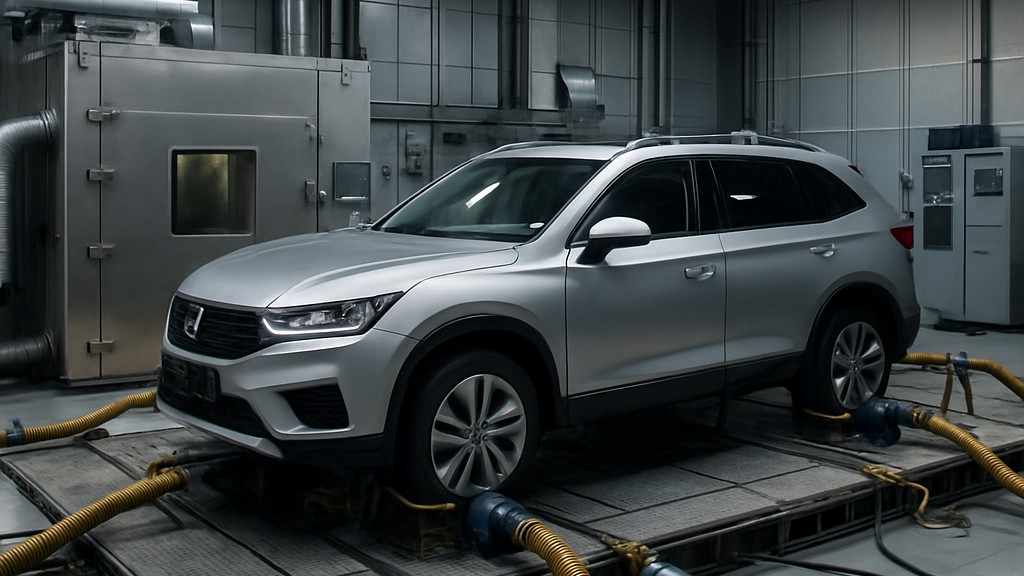
In general, the aim of the ISO 16750 series of standards is to assist the user in systematically defining or applying a set of internationally accepted environmental conditions, tests and operating requirements based on the actual environment to which the equipment is expected to operate and be exposed throughout its life cycle.
This standard does not include the electrical test conditions or requirements in ISO 16750-2 for voltage class B components in voltage class B circuits and 48-volt components in 48-volt circuits. For electrical test conditions or requirements for voltage class B components and 48-volt components in 48-volt circuits, the ISO 21498 series of standards (voltage class B components) and ISO 21780 (48-volt components) apply.
The following environmental factors were taken into account in the development of this standard:
The automotive industry increasingly relies on sophisticated electrical and electronic systems to power everything from engine management to advanced driver assistance systems and electric drive systems. These systems must operate reliably in challenging environmental conditions, such as extreme temperatures, vibrations, humidity, and more. The ISO 16750-1 standard provides a framework for ensuring the durability and reliability of these systems.
This standard is part of the ISO 16750 series, which covers environmental testing requirements for electrical and electronic equipment in road vehicles. This standard focuses on general requirements, terminology, and classification of environmental conditions and tests. It applies to electrical and electronic systems and components with maximum operating voltages classified as Class B voltage (generally up to 60 V DC), including those used in electric drive systems. This standard ensures that automotive electronics can withstand the environmental stresses encountered in a variety of global environments throughout a vehicle's lifecycle, from production to operation.
This standard applies to:
However, the following are outside the scope of this standard:
The ISO 16750-1 standard provides a structured approach to defining environmental conditions and test protocols. Its key components are:
As a result, ISO 16750-1 is a fundamental standard for ensuring the durability and reliability of electrical and electronic systems in road vehicles. By addressing a wide range of environmental stresses and providing clear testing guidelines, it helps manufacturers produce robust components that can withstand the rigors of automotive applications. As vehicles become more electrified and technologically advanced, compliance with this standard is essential to ensure safety, quality, and customer satisfaction in the automotive industry.
Our organization, which has been operating for many years and meticulously follows global developments in science and technology, employs a skilled team and extensive infrastructure to conduct testing, measurement, and analysis in a wide range of areas for businesses across all sectors. In this context, we also provide testing services in accordance with the ISO 16750-1 Road vehicles - Environmental conditions and testing of electrical and electronic equipment - Part 1: General standard.
To get an appointment, to get more detailed information or to request an evaluation, you can ask us to fill in our form and reach you.

