

The “VW PV 3410 PUR Flexible Foam - Test Methods” standard, developed by the Volkswagen automotive company, describes guidelines for determining the property profile of soft polyurethane (PUR) foam used in vehicle seats (seat cushions and backrests, rear and front seats) according to the VW TL 52653 standard.
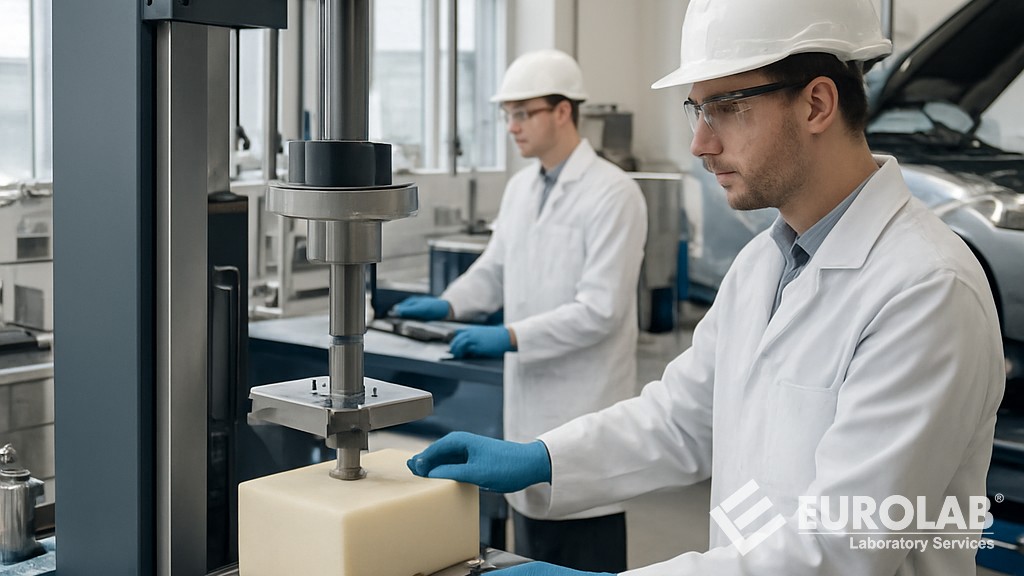
In the highly competitive automotive industry, material quality is paramount, especially for components that directly impact passenger comfort and safety. The Volkswagen Group has established rigorous testing standards to ensure suppliers meet demanding performance criteria. One of these critical features is the VW PV 3410 standard, a comprehensive testing method dedicated to PUR-soft foam, also known as flexible polyurethane (PUR) soft foam. This foam is widely used in vehicle seats, headrests, armrests, and other interior padding materials.
The VW PV 3410 standard ensures these foams withstand the rigors of daily use, weather conditions, and long-term deterioration, contributing to Volkswagen’s reputation for durable and high-quality interiors.
Flexible polyurethane foams have long been a staple in automotive seats due to their lightness, cushioning properties, and moldability. However, variations in manufacturing can lead to problems such as seat sagging, reduced durability, or emissions that affect air quality.
The VW PV 3410 standard, a test standard for flexible polyurethane foam in automotive interiors, was developed by Volkswagen to standardize testing across the supply chain. This standard is based on international norms such as ISO 3386-1 (physical properties) and ASTM D3574 (flexible cellular materials), but adapts them to Volkswagen's specific requirements. The standard verifies that the foams maintain their structural integrity under pressure, fatigue, and environmental stress, which is crucial for vehicles exposed to global climates.
The VW PV 3410 standard includes various procedures, including mechanical, climatic, and durability tests. Samples typically consist of 100 mm x 100 mm x 50 mm blocks cut from molded foam.
Laboratories worldwide offer VW PV 3410 certification. Suppliers must obtain this certification to be eligible for VW production. Non-compliance risks batch rejection and significant financial losses.
While electric vehicles prioritize lightweight and comfortable interiors, the VW PV 3410 standard remains important. Foam panels must last for more than 10 years without sagging, even in hot climates (weather resistance is governed by the VW PV 3930 standard).
The automotive industry considers this standard important in terms of passenger comfort, safety, and brand reputation for the following reasons:
In conclusion, the VW PV 3410 standard is an example of precision engineering in materials science. By ensuring mechanical excellence and durability, it allows every driver to enjoy comfortable and reliable comfort. For suppliers targeting the world's largest car manufacturer, specializing in the PV 3410 standard is indispensable.
For many years, our organization, with its competent and experienced staff, has been understanding the needs of its customers, providing the advanced testing services they require, and assisting them in the establishment, implementation, and improvement of management systems. Within this framework, we also provide testing services to businesses in accordance with the "VW PV 3410 PUR Flexible Foam - Test Methods" standard.
To get an appointment, to get more detailed information or to request an evaluation, you can ask us to fill in our form and reach you.

