

The “SES N 3301 Adhesives” standard, developed by Suzuki Motor Corporation under the supplementary SES N standards (examples), describes a test method used to evaluate the performance, strength, and longevity of adhesives used in the automotive industry. This method provides quality control, particularly for adhesives used in interior and some exterior vehicle applications.
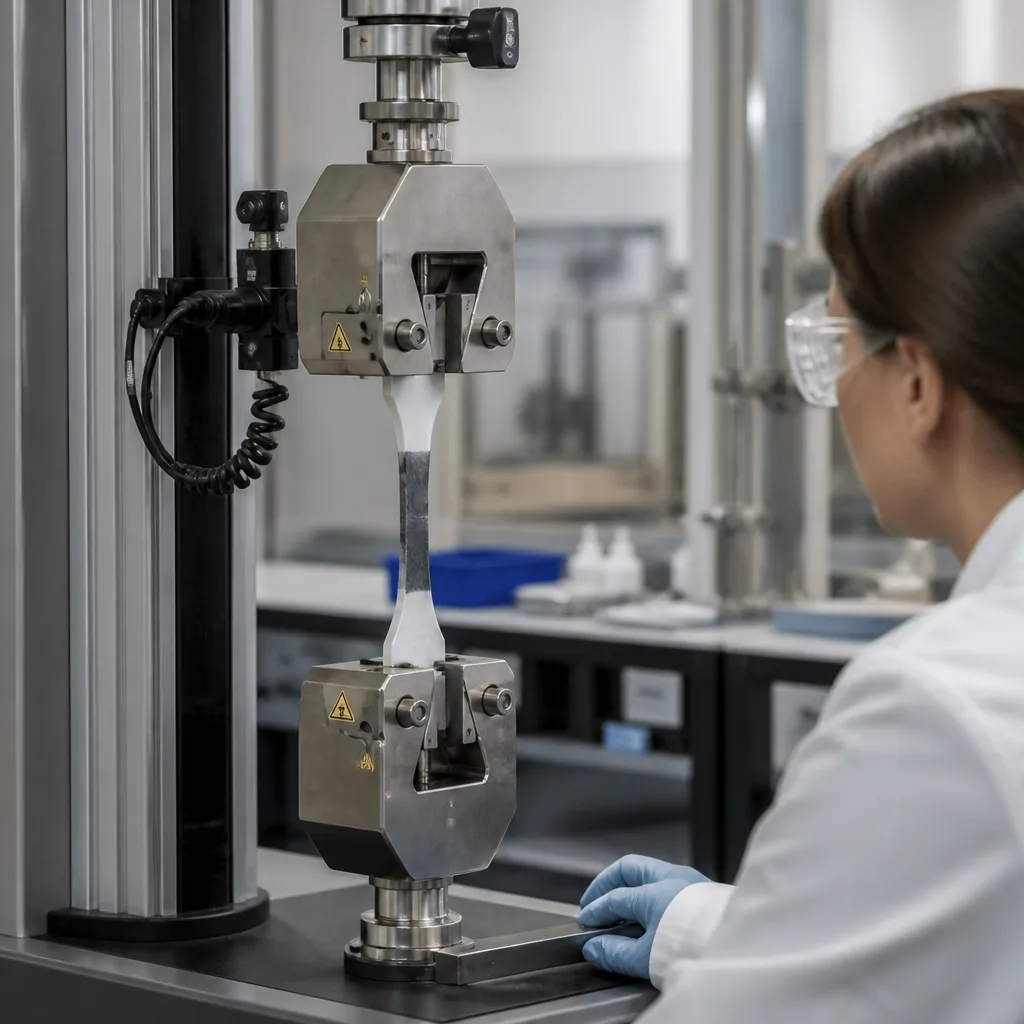
The SES N 3301 standard covers the following types of adhesives:
The main features tested are as follows:
In the automotive industry, the use of adhesive materials is a fundamental engineering solution that enhances performance, safety, and production efficiency. The SES N 3301 standard was designed precisely because adhesives play such a critical role.
Adhesives replace traditional fasteners like bolts, screws, and welding. This reduces vehicle weight, resulting in better fuel economy (or longer electric vehicle range) and lower emissions. Modern vehicles combine metal (steel, aluminum), plastic, composite, and glass materials. Adhesives can effectively bond these diverse materials, which is difficult or impossible with welding or mechanical connections. Furthermore, adhesives distribute stress evenly across the bonded surface rather than concentrating it at specific points (like bolts or rivets). This results in improved fatigue resistance, increased structural integrity, and a reduced risk of cracking or failure. Adhesives are used in critical areas such as windshield bonding (important for airbag deployment support) and body structure reinforcement. High-performance adhesives help maintain structural integrity during collisions.
On the other hand, adhesives reduce vibrations and noise. This improves overall ride comfort and perceived vehicle quality. Also, unlike mechanical fasteners which can create moisture entry points, adhesives seal joints, protect against water and chemicals, and reduce the risk of corrosion.
Automotive adhesives are designed to withstand extreme temperatures, UV exposure, and contact with moisture and chemicals.
The SES N 3301 standard is essential because it ensures that adhesive materials used in automotive applications meet stringent performance, safety, and durability requirements. In modern vehicles, adhesives are critical for bonding components such as interior trim, panels, insulation, and structural parts. Therefore, their reliability directly impacts overall vehicle quality. The main reasons why this standard is considered important are as follows:
In conclusion, the SES N 3301 standard is essential to ensure that adhesive materials used in vehicles are safe, durable, compatible, and consistent, which directly impacts vehicle performance, safety, and customer satisfaction.
For many years, our organization, with its competent and experienced team, has been understanding the needs of its clients, providing the advanced testing services they require, and assisting them in the establishment, implementation, and improvement of management systems. Within this framework, we also provide testing services compliant with the SES N 3301 standard.
To get an appointment, to get more detailed information or to request an evaluation, you can ask us to fill in our form and reach you.

