

The “BMW AA 0563 Low Temperature Flexural Strength” standard, developed by BMW, a multinational vehicle manufacturer, describes a specific test method designed to evaluate the flexural strength (or bending/flexural durability) of flexible materials such as textiles, leather, synthetic upholstery, films, or coated fabrics at low temperatures.
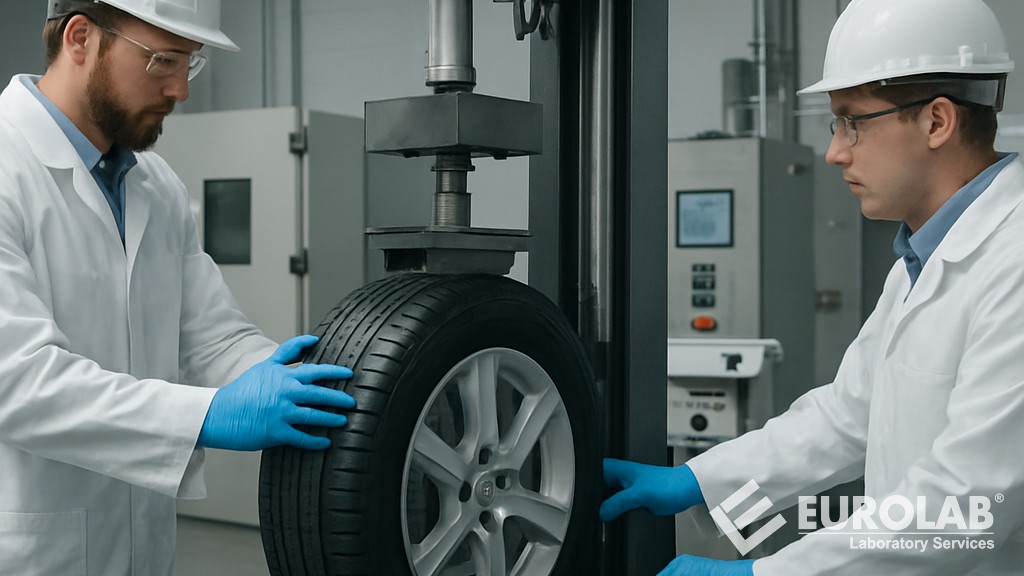
This standard focuses on how well a material can withstand repeated bending, folding, or stretching without showing cracking, fracture, or surface damage when exposed to cold conditions. In regions with harsh winters, low-temperature performance is critical for interior components (e.g., seat covers, door panels, instrument panels, or upholstery) where materials can become brittle and lose their flexibility.
In automotive applications, materials are frequently subjected to mechanical stress (e.g., passengers getting in or out of the vehicle, adjusting seats, or using controls) and temperatures can drop significantly (typically tested to temperatures of -20 to -30 degrees or lower, depending on BMW's requirements). Low temperature flexural strength can lead to:
The BMW AA 0563 standard helps suppliers and manufacturers qualify materials to prevent such problems and is consistent with BMW's overall quality standards for interior trim and functional parts.
Typical testing principles include:
The relevant tests in BMW's portfolio are as follows:
This standard applies primarily to:
This standard is part of the broader BMW material approval processes for suppliers and ensures compliance before parts are integrated into production tools.
The BMW AA 0563 standard exists to address a fundamental materials science problem in automotive design: many flexible materials become brittle and prone to cracking at low temperatures, and repeated mechanical stress (stretching) under these conditions can lead to premature failure. Without such specialized testing, manufacturers risk using interior components that degrade rapidly in cold climates, leading to visible damage, reduced durability, warranty claims, and dissatisfied customers.
The main reasons why this standard is considered necessary are as follows:
Repeated bending (such as passengers sitting down, adjusting seats, folding armrests, or operating controls) exploits this fragility, causing cyclical fatigue that leads to surface cracks, fissures, or complete fracture.
In conclusion, the BMW AA 0563 standard plays a crucial role in guaranteeing that flexible automotive materials remain durable and crack-resistant even in freezing conditions. This is a vital factor for long-term vehicle quality and customer satisfaction in various climates. This standard is a proactive safety measure that ensures BMW interiors remain flexible, attractive, and reliable even after years of harsh winter use.
For many years, our organization, with its competent and experienced team, has been understanding the needs of its clients, providing the advanced testing services they require, and assisting them in the establishment, implementation, and improvement of management systems. Within this framework, we also provide testing services in accordance with the BMW AA 0563 standard.
To get an appointment, to get more detailed information or to request an evaluation, you can ask us to fill in our form and reach you.

