FCA 55315 High Hysteresis Cellular Plastics
The “FCA 55315 High hysteresis cellular plastics” standard, developed by Fiat Chrysler Automobiles (FCA), an Italian-American automotive company, describes the requirements for high hysteresis cellular plastics used in safety applications.
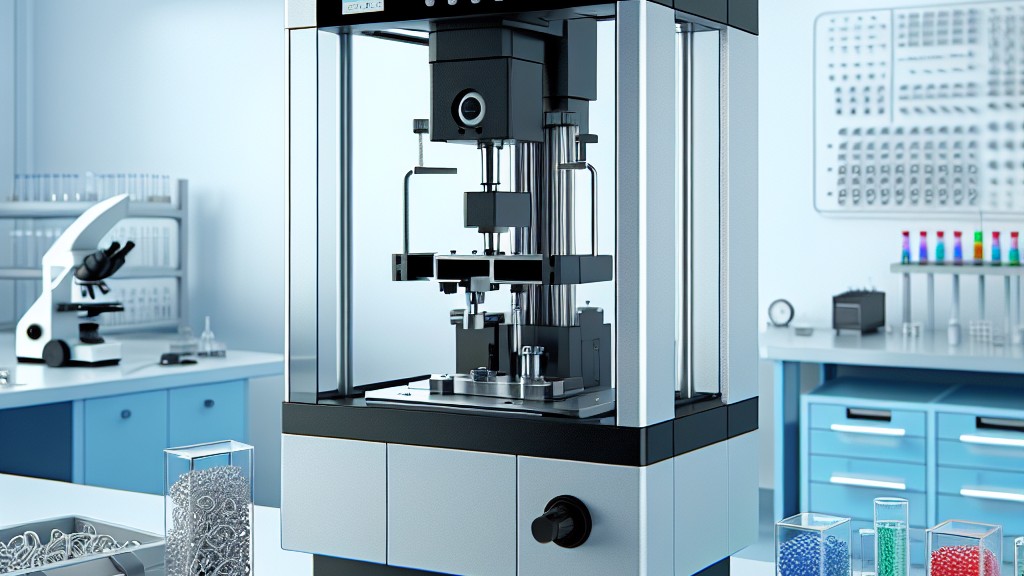
This material standard covers different types of cellular plastics with different polymeric properties: polyurethanes, polypropylenes and styrenes. These polymers are expanded without the use of chlorofluorocarbons. These materials are used as energy absorption elements in bumpers, steering wheels, steering column covers, knee guards, doors and similar safety components.
This standard covers the following materials:
- PUR–E: High hysteresis cellular polyurethane produced by a mold-catalyzed chemical reaction of polyol, isocyanate, and water at ambient temperature. The structure is characterized by interconnected open cells with an open outer surface. The polymer produced by this reaction is thermoset and can withstand repeated impacts.
- PP–E/AU: Cellular polypropylene consisting of pre-expanded spherical particles produced in an autoclave and sintered in a mold using superheated steam injections. Its structure consists mostly of closed cells with an open outer surface. The polymer is of the thermoplastic type and can withstand repeated impacts.
- PP–E/ES: Cellular polypropylene consisting of pre-expanded spherical particles produced by extrusion and sintered in the mold using superheated steam injections. Its structure consists of partially closed cells with an open outer surface. The polymer is of the thermoplastic type and can withstand repeated impacts.
- PP–E/AR: Cellular polypropylene with a structure containing concentrated areas of honeycomb cellular type, produced by block extrusion. Its structure consists of open cells without an outer shell. The polymer is of the thermoplastic type and loses its efficiency with repeated impacts.
- PS+PPO–E: Thermoplastic compound composed of polystyrene and polyphenylene oxide, consisting of pre-expanded spherical particles produced in an autoclave or by extrusion and sintered in a mold using superheated steam injections. Its structure consists of closed cells with an open outer shell. The polymer is of the thermoplastic type and loses its efficiency with repeated impacts.
- PS–E Foam polystyrene consisting of pre-expanded spherical particles produced in an autoclave or by extrusion and sintered in a mould using superheated steam injections. Its structure consists of closed cells with an open outer shell. The polymer is of the thermoplastic type and loses its efficiency with repeated impacts.
The requirements are listed in the table given in the standard on the following basis.
- Physical - mechanical
- Density
- Tensile properties (elongation / maximum load)
- Compression characteristics (compression deviation, 50 percent deviation/hysteresis/compression set)
Effects of environmental factors
- Change after oven aging (compression drift, 50 percent drift/hysteresis/compression set)
- Change after aging in moist heat chamber (compression deviation, 50 percent deviation/hysteresis/compression set)
- water absorption
Maximum continuous operating temperatureEquipment used in tests includes:
- Environmental chamber (oven) capable of reaching and maintaining at all points a temperature corresponding to the specified level of severity within the specified tolerance, with a maximum relative humidity of 20 percent. The chamber shall be constructed so that no part is exposed to heating by direct radiation from the heating elements.
- A steady-state moist heat chamber capable of maintaining a temperature of 40 degrees plus/minus 2 degrees and a relative humidity of 90 percent to 95 percent at all points. This chamber should be constructed so that air circulates at low speed and parts are not directly exposed to steam or condensate.
Our organization has a strong staff that closely follows the developments in the world in the field of science and technology and constantly improves itself. Among the numerous test, measurement, analysis and evaluation studies provided for businesses in various sectors, there are also test services in accordance with the "FCA 55315 High hysteresis cellular plastics" standard.



