

Developed by BMW, a leading German multinational company in the automotive industry, the “BMW PR 360 Taber abrasion test method” standard describes a standardized abrasion resistance testing method used to evaluate how well surfaces such as leather seats, instrument panel materials, plastics, textiles, or coatings resist friction and wear over time. The Taber abrasion device is a tool widely used in the automotive industry that simulates real-world wear by rotating abrasive wheels against a test specimen under controlled pressure and cycles.
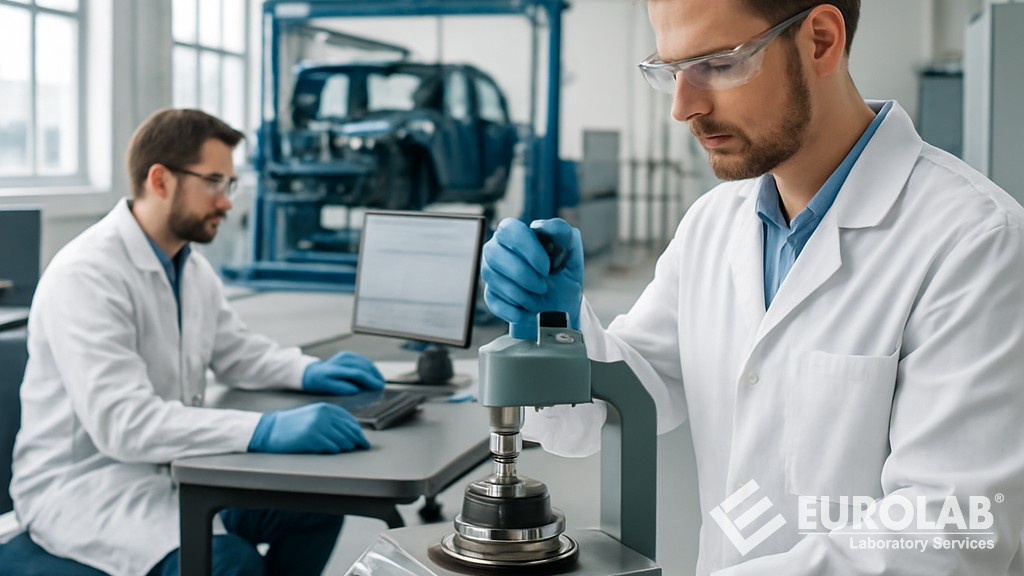
This standard belongs to BMW’s internal series of standards covering various material and surface performance requirements. Related standards include BMW PR 361 and BMW PR 362, which typically focus on tactile feel, scratch resistance, or other surface properties. These tests help ensure that BMW vehicles maintain their high-quality appearance and functionality even after years of use, supporting the brand’s reputation for superior build quality.
This type of specification is typically referenced in supplier quality agreements, material approvals, and independent testing laboratories. It's not a product or feature intended for the consumer, but rather an engineering and testing protocol conducted behind the scenes.
The Taber abrasive (rotary platform abrasive) is a widely used laboratory instrument and standardized testing method for evaluating the wear resistance (abrasion resistance) of materials and surfaces. By simulating real-world friction, scraping, or abrasive wear in an accelerated manner, it provides quick and repeatable results that help predict how long a material, such as coatings, plastics, textiles, leather, paints, laminates, or automotive interiors, will maintain its appearance and integrity under use.
This test is performed using a precision machine (Taber rotary platform abrasive) that includes the following basic steps:
This produces controlled and even wear, mimicking everyday wear.
The results are evaluated in various ways, depending on the material and the standard:
This test is popular in industries such as automotive (e.g., BMW interiors), furniture, electronics, packaging, and coatings because it is fast, repeatable, and correlates well with real-world durability. Different abrasive wheels and loads allow for customization for soft and hard materials.
The BMW PR 360 standard is important because it defines specific and rigorous wear resistance requirements for materials used in the interiors (and sometimes other components) of BMW vehicles, ensuring they meet the brand's high expectations for long-term durability, superior appearance, and customer satisfaction throughout the vehicle's lifespan.
Interior surfaces in vehicles, such as leather seats, instrument panel trim, door panels, armrests, steering wheels, center consoles, and textiles, are constantly exposed to the following:
Without strong wear resistance, these surfaces can quickly show the following:
This leads to a perceived decline in quality, higher warranty claims, customer dissatisfaction, and damage to BMW's reputation for build quality and longevity.
For many years, our organization, with its competent and experienced staff, has been understanding the needs of its customers, providing the advanced testing services they require, and assisting in the establishment, implementation, and improvement of management systems. Within this framework, we also provide testing services to businesses in accordance with the "BMW PR 360 Taber abrasion test method" standard.
To get an appointment, to get more detailed information or to request an evaluation, you can ask us to fill in our form and reach you.

