Mercedes-Benz DBL 7399 Supply Specification: Paints, Varnishes, Similar Materials and Related Coatings
The standard "Mercedes-Benz DBL 7399 Supply specification: paints, varnishes, similar materials and related coatings" developed by the Mercedes-Benz Group describes the general conditions and test procedures for paints, varnishes and related coatings used on vehicle components. This standard ensures that the coatings meet the quality and performance requirements, especially regarding durability, appearance and resistance to environmental factors.
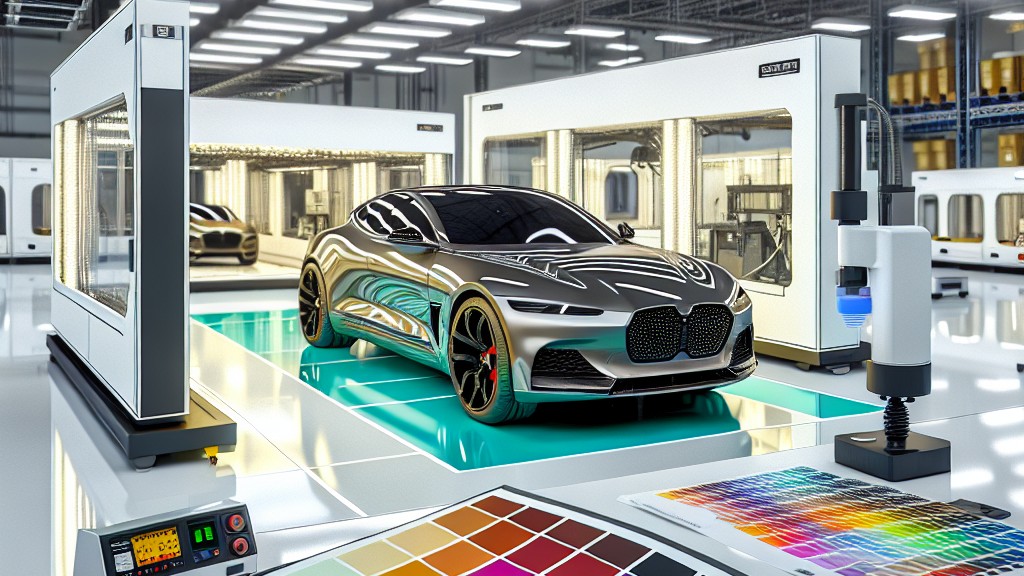
This standard applies to enamel, paint and similar coating materials, including related coatings used on vehicle parts. This standard includes various test procedures to evaluate the quality and performance of coatings. In addition,
- Environmental resistance evaluates how coatings withstand environmental factors such as UV radiation, temperature fluctuations and humidity.
- Evaluates the mechanical strength of coatings, including adhesion and scratch resistance.
- Ensures that coatings comply with the environmental and safety standards of the Mercedes-Benz Group.
General tests performed within the scope of the DBL 7399 standard are as follows:
- Scratch resistance test: Evaluates the resistance of the coating to mechanical damage such as knife scratches.
- Adhesion tests: Determines how well the coating adheres to the substrate.
- Abrasion tests: Evaluate the durability of the coating under simulated environmental conditions, including exposure to UV light and moisture.
- Chemical resistance testing: Tests the coating's ability to resist degradation when exposed to various chemicals.
The DBL 7399 standard is important because it ensures that the paints, enamels and coatings used on Mercedes-Benz Group vehicles meet stringent quality, durability and safety requirements. Here are other reasons why it is so important:
- Quality assurance: Provides consistent appearance (such as gloss, color, texture) and performance on all painted or coated parts. Minimizes defects such as peeling, cracking, fading or corrosion.
- Protection and durability: Coatings must be resistant to UV rays, extreme temperatures, humidity, chemicals and abrasion. They protect vehicle parts (metal or plastic) from environmental damage.
- Standard testing: Provides a uniform testing method so that suppliers and the Mercedes-Benz Group use the same criteria. It covers tests such as adhesion, scratch resistance, weatherability and chemical resistance.
- Environmental compatibility: Ensures that coatings meet sustainability and low volatile organic compounds (VOC) requirements. Helps the Mercedes-Benz Group comply with global environmental regulations.
- Supplier alignment: Helps suppliers know exactly what is expected of them when delivering coatings or finished parts. Reduces production delays, rework, and cost overruns.
- Compatibility and performance: Guarantees that the coatings work well with the materials and production processes chosen by the Mercedes-Benz Group.
Some of the tests performed under this standard are:
- Cross-cut adhesion test: The purpose of this test method is to determine how well a coating adheres to a substrate (such as metal or plastic). Poor adhesion can lead to peeling or flaking over time. While the test is being applied öA grid of small cuts is made into the coating using a special cutting tool (usually 6 x 6 or 11 x 11 lines). Adhesive tape is applied tightly over the cuts. The tape is then pulled quickly at an angle. The amount of coating removed is assessed visually.
The acceptance criteria are as follows: According to the classification standard “ISO 2409 Paints and varnishes - Cross-cut test” the classification value must reach 0 or 1, i.e. no or very little coating comes off with the tape. Higher values such as 4 or 5 indicate poor adhesion and the test is considered to have failed.
Such tests are important to ensure that parts such as body panels, trim or instrument panels do not lose their coating under normal wear or environmental stress.
- Scratch resistance test: The purpose of this test method is to evaluate how well a coating resists mechanical damage (such as from keys, rings or tools). This test is critical for parts such as dashboards, door panels or exterior trim. When performing the test kA stylus or a specific metal needle (usually a 1 mm tip) is used to apply a constant force to the coated surface. The stylus is drawn in a straight line across the surface. The applied force can vary from 5 N to 20 N, depending on the type of coating. The scratch is then visually inspected or assessed using a microscope.
Acceptance criteria are as follows: No visible damage or only a small indentation without color removal. No cracking, flaking or separation of the coating. May include measurement of gloss or color change before and after testing. Some tests also include nail resistance (scratching with a fingernail) or multiple passes with increasing load until failure occurs.
- Artificial abrasion testing: The purpose of this test method is to simulate exposure to prolonged sunlight, heat, humidity and temperature cycles, essentially simulating years of outdoor use in a controlled environment. During the test, test panels coated with the material are placed in an abrasion chamber and exposed to UV light (usually from a xenon arc or fluorescent UV lamp). Light and dry heat are then cycled followed by darkness and humidity (condensation or water spray). The test period is usually 500 to 1000 hours, which is equivalent to months or years of outdoor exposure. After exposure, the coatings are evaluated for: discoloration, loss of gloss, chalking, cracking or blistering, and loss of adhesion. Discoloration should be between 1,5 and 2,0, and gloss retention should be at least 85 percent. There should be no visible cracks, bubbles or peeling. This test is critical for exterior parts that are exposed to sun, rain or road grit, such as mirror housings, grilles or painted body covers.
- Weatherability testing: This test method refers to how well a coating can withstand environmental stressors without deteriorating over time. This is especially critical for exterior automotive components. Weatherability is the durability of a coating under long-term exposure to: UV radiation (sunlight), moisture (rain, dew, condensation), temperature cycles (heat and cold, freezing and thawing), and pollutants (acid rain, salt spray, exhaust fumes).
In outdoor exposure testing, coatings are placed in real-world locations. They are exposed to natural sunlight and climate for 6-12 months or longer. Then, coatings are evaluated for discoloration, gloss loss, cracks, flaking or blistering, loss of adhesion, surface chalking (white powdery residue), and corrosion under the coating.
Our organization, which has been trying to support businesses from every sector with its testing, measurement, analysis and evaluation studies carried out in a wide range for years, has a strong staff that closely follows the developments in the world in the field of science and technology and constantly improves itself. In this context, testing services in accordance with the "Mercedes-Benz DBL 7399 Supply specification: paints, varnishes, similar materials and related coatings" standard are also provided to businesses.



