

The “GM 9505P Automotive Environmental Cycles - Test Cycle M - Dimensional Stability Cycle” standard, published by General Motors (GM), describes a procedure for ensuring that components, from body panels to electrical systems, can withstand harsh real-world conditions without premature failure.
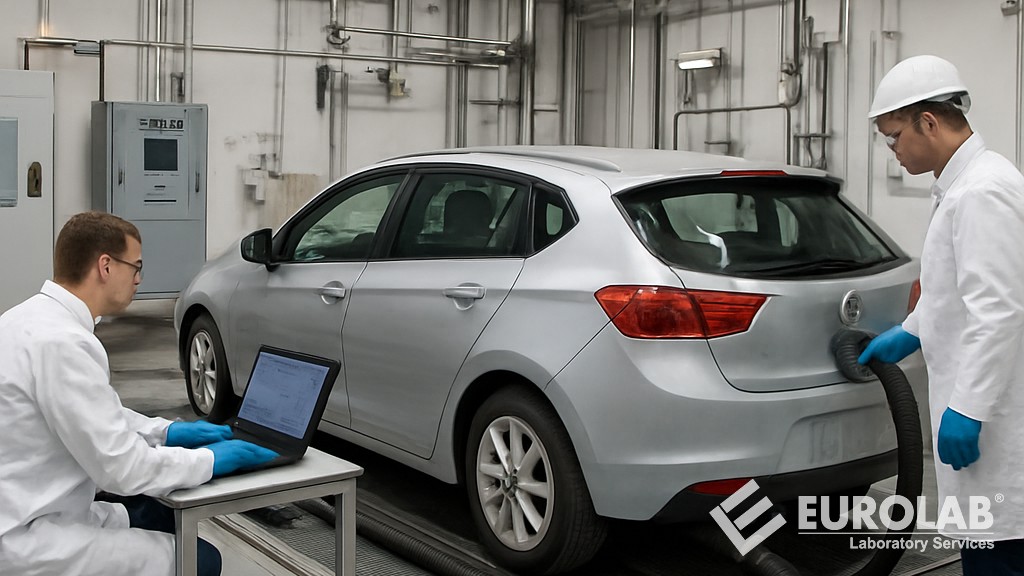
In the high-risk world of automotive engineering, where vehicles must withstand extreme temperatures, relentless humidity, corrosive road salt, and damaging vibrations, rigorous testing standards are undeniable. The GM 9505P standard, developed within this framework, aims to simulate the harsh environmental cycles faced by modern automobiles. As electric vehicles (EVs) and autonomous technologies become more widespread, the importance of this standard has only increased.
The automotive industry has long struggled with the unpredictability of nature. In recent years, as pollution regulations have tightened and consumer demands for durability have increased, standards have begun to be designed to replicate multi-season exposure within weeks rather than years.
The GM 9505P standard emerged as a response to these challenges, leveraging decades of field data relating to corrosion, thermal stress, and moisture. It replaced proprietary methods with a structured and repeatable protocol aligned with international norms. Over time, new standards have been published adopting similar cyclical principles but adapting to newer materials such as aluminum alloys used in electric vehicles (such as the GMW 14124 and GMW 14872 standards).
The GM 9505P standard is essentially a cyclical corrosion and environmental exposure test designed to mimic a vehicle's life cycle in a variety of climates, from foggy coastlines to arid or salty roads. Unlike static salt spray tests that bombard samples with continuous salt mist, this standard uses dynamic cycles alternating between wetting, drying, freezing, and heating phases. This reality reveals failure modes such as filiform corrosion (thread-like rust under paint) or loss of adhesion that simpler tests might miss.
The standard includes several predefined cycles:
Each cycle runs for 10–50 iterations (up to 50 weeks in a laboratory setting), and samples are examined for blistering, cracking, or mass loss using scraper creep measurements such as the ASTM D1654 standard. Only materials certified under compatible specifications, such as the GM 9505P standard, are approved for production. Laboratories must have precision chambers capable of temperature control within plus/minus 2 degrees and automated recording.
What sets the GM 9505P standard apart is its holistic approach: it doesn't just deal with wear, it also deals with aging. For example, in chipping tests, gravel impacts are simulated after exposure to reveal weakened coatings. This multifaceted rigor allows some vehicles to travel 320.000 km without cosmetic or structural corrosion.
The GM 9505P standard is not limited to GM assembly lines; it is a de facto industry standard adopted by suppliers. Key applications include:
Implementing the GM 9505P standard presents some challenges. For example, the cycles require specialized equipment with six-figure costs, and variability in salt formulations (e.g., sodium chloride and calcium chloride) can distort results. Smaller suppliers often outsource to accredited laboratories, which extends lead times. Furthermore, while sustainability is pushing for chromate-free coatings, the GM 9505P standard's emphasis on chromate-free validation pushes the boundaries of environmentally friendly alternatives.
In conclusion, the GM 9505P standard protects not only the metal and wiring, but also driver safety and the brand. As automobiles evolve toward a software-defined, electric future, standards like GM 9505P will remain indispensable, guaranteeing vehicle durability.
For many years, our organization, with its competent and experienced staff, has been understanding the needs of its customers, providing the advanced testing services they require, and assisting them in the establishment, implementation, and improvement of management systems. Within this framework, we also provide testing services in accordance with the “GM 9505P Automotive environmental cycles - Test cycle M - Dimensional stability cycle” standard.
To get an appointment, to get more detailed information or to request an evaluation, you can ask us to fill in our form and reach you.

