

BMW AA 0497 Thermal Distortion Resistance

BMW AA 0497 Thermal Distortion Resistance

The “BMW AA 0497 Thermal Degradation Resistance” standard, developed by BMW, a multinational vehicle manufacturer, describes material and component qualification tests for heat-induced deformation. Thermal degradation refers to bending, warping, sagging, or dimensional changes that occur in parts at high temperatures or temperature gradients, which is critical for:
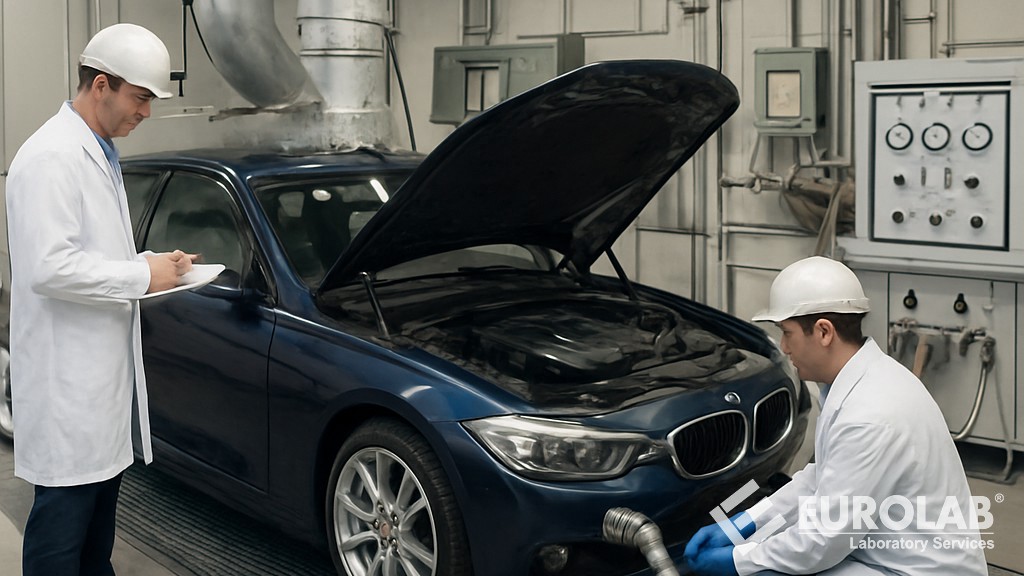
BMW AA 0497 Thermal Distortion Resistance

  • Interior components exposed to solar heat or engine compartment heat (e.g., instrument panel, upholstery, door handles, switches).
  • Exterior plastic parts (e.g., bumpers, grilles, mirror housings) that need to maintain their shape in direct sunlight or hot climates.
  • Plastics or composites under the engine hood near the exhaust, radiator, or turbocharger.
  • Painted or coated surfaces where heat can cause cracking, blistering, or surface softening.

These types of tests typically include the following:

  • Controlled furnace exposure (e.g., 80-150 degrees, sometimes up to 180 degrees for engine compartment parts) for hours or days.
  • Temperature cycling to simulate thermal shock (e.g., from minus 40 degrees to plus 120 degrees).
  • Measuring dimensional changes, sagging, warping, or deviation before/after exposure using measuring instruments, coordinate measuring machines, or optical scanning.
  • Visual inspection and functional checks (e.g., fit, adhesion if coated).
  • Acceptance criteria, depending on the part class (e.g., visible or hidden), generally limit distortion to fractions of a millimeter.

BMW's approach aligns with broader automotive norms (such as the ISO 527 standard for plastics or the VW PV 1303 standard for heat aging, which are specific to the original equipment manufacturer), but has stricter limits for superior durability and perceived quality.

Thermal degradation resistance is vital for:

  • Long-term aesthetics: Avoiding warped instrument panels or misaligned trim that detract from the premium feel.
  • Safety and functionality: Preventing deformation in critical parts (e.g., headlight housings, sensor housings).
  • Warranty and customer satisfaction: Reducing complaints in hot climates.

BMW's rigorous testing enhances the brand's reputation for durable interiors and exteriors, even after years of exposure.

The BMW AA 0497 standard, focusing on resistance to thermal deformation (heat deformation, sag resistance, or thermal deformation under load), is a critical internal qualification test, particularly for plastics, composites, painted/coated surfaces, and interior/exterior components. The aim of this test aligns with BMW's demands for superior quality in terms of long-term durability, aesthetics, safety, and customer satisfaction.

Modern vehicles, especially luxury cars like BMWs, face extreme thermal stresses from real-world use. Interiors can reach 70-90 degrees Celsius when parked in direct sunlight in hot climates. Engine compartments, under-hood parts, and exterior trim are exposed to higher localized heat from radiators, exhausts, or turbo systems.

Without strict thermal degradation resistance:

  • Bending or sagging occurs in instrument panels, door panels, center consoles, headliner materials, or plastic trim. This results in misaligned gaps, rattling, or a poor fit and finish that detracts from the premium feel BMW owners expect.
  • Dimensional changes affect functional parts such as sensor housings, HVAC vents, mirror bases, or lamp assemblies. This can lead to potential issues with ADAS sensors, lighting alignment, or airflow efficiency.
  • Painted surfaces show signs of warping, coatings show cracks, or visual defects such as damaged grilles/bumpers. This leads to complaints of accelerated aging, warranty claims, and damage to brand reputation.
  • Safety risks arise indirectly, for example, from a bent interior panel obstructing airbag deployment paths or a deformed under-hood component affecting the heat shield.

This test ensures that the parts maintain their shape and performance under continuous heat or thermal gradients, guaranteeing that these failures will be prevented for a period of 10-15 years.

The testing procedure typically includes the following:

  • Exposing samples to high temperatures (e.g., 80-140 degrees depending on the part's location, higher for engine compartments, lower for interiors).
  • Applying a controlled load or the vehicle's own weight to simulate internal stresses.
  • Measuring deflection/loosening/warping (usually limited to a maximum of 0,5-1 mm or with specific tolerances).
  • Cyclical or long-term exposure to simulate daily heat absorption (from a parked vehicle) or gradients (driving conditions).
  • The acceptance criteria are stricter than standards (e.g., ISO 75 and ASTM D648) to meet BMW's higher expectations for perceived quality and longevity.

In conclusion, the BMW AA 0497 standard is not merely a procedure, but vital for protecting BMW's reputation for engineering excellence, minimizing long-term ownership issues, and ensuring components operate reliably under the thermal realities of global driving conditions.

For many years, our organization, with its competent and experienced team, has been understanding the needs of its clients, providing the advanced testing services they require, and assisting them in the establishment, implementation, and improvement of management systems. Within this framework, we also provide testing services in accordance with the BMW AA 0497 standard.

WhatsApp

