

Navistar International Corp (Navistar) is a holding company operating in the automotive sector. This company manufactures commercial and military trucks, diesel engines, and school and commercial buses through its subsidiaries and affiliates. It also develops standards accepted in the automotive sector. The “MPAPS L-6612 Insulation - Acoustics” standard published by this organization covers general requirements, property and performance requirements, quality criteria and inspection tests. An approved source list is included in the appendix of this standard. According to this standard developed within the scope of material, parts and process specifications (MPAPS), when class is not specified, Class 1 material should be provided. In addition, if insulation performance is affected by orientation, the connection side should be defined.
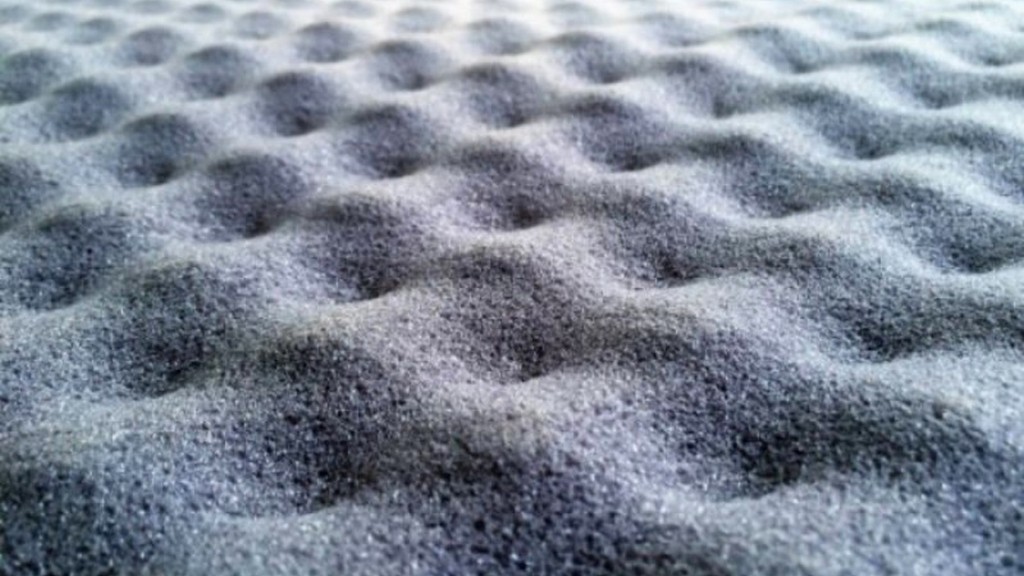
Acoustic insulation is a special type of insulation designed to reduce the transfer of noise in the environment. Sound insulation is essentially a method used to prevent the transfer of sounds.
Material classes include:
This standard applies to under-hood acoustic insulation requiring high sound-absorbing properties. Various classes have been specified by the Navistar Vehicle Acoustics Group for Type I, Type II, Type III and Type IV requirements for specific thermal environments or operating conditions, and Navistar must approve materials supplied for acoustic applications.
The composition requirements in this standard include:
Dimensions, thickness of the material should be shown on the engineering drawing. Class 3 material should meet the length and width tolerances specified in the table given in the standard. The thickness tolerance for Class 3 materials should be plus/minus 10 percent. Class 4 materials should meet the length, width and thickness tolerances defined in the engineering drawings.
This standard also includes requirements under the following headings under property and performance requirements: density, tensile strength, elongation of the fabric (if applicable), moisture resistance, chemical resistance, cyclic ageing, odor, air flow resistance (classes 1 and 2 only), mildew resistance, sound absorption properties and constant deflection compression (class 3 only).
This material shall have the flexibility necessary to meet contour requirements without separation and shall be free from defects. Defect definitions shall be determined by mutual agreement between Navistar and the supplier. Engineering qualification of welds shall be performed prior to production shipments. Samples shall be accompanied by test data confirming that all requirements of this standard are met.
Among the numerous testing, measurement, analysis and evaluation studies that our organization has carried out for businesses in various sectors, it also provides testing services defined in the “MPAPS L-6612 Insulation - Acoustics” standard with its trained and expert staff and advanced technological equipment.
To get an appointment, to get more detailed information or to request an evaluation, you can ask us to fill in our form and reach you.

