

The “GM 9517P Synthetic Sweat Resistance” standard, published by General Motors (GM), is an engineering testing standard that evaluates the resistance of automotive materials and surface coatings to synthetic sweat (artificial sweat). This standard is commonly used for interior components frequently touched by vehicle occupants, ensuring materials maintain their appearance, durability, and functionality after prolonged exposure to human sweat.
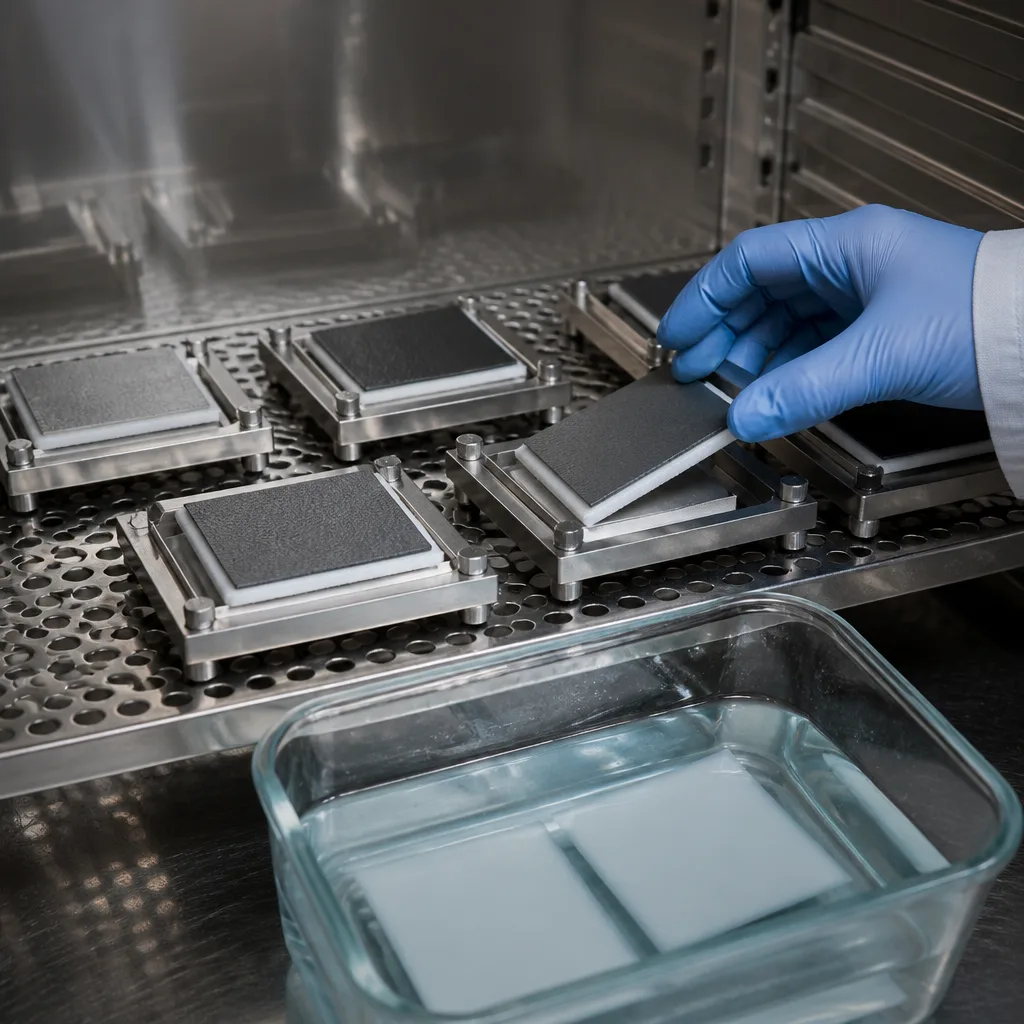
With the increasing use of soft-touch coatings, painted plastics, synthetic leather, decorative films, and coated textiles in modern vehicle interiors, resistance to perspiration has become a significant quality requirement.
The primary purpose of the GM 9517P standard is to determine whether interior materials can withstand prolonged contact with perspiration without exhibiting unacceptable changes of the following types:
This testing method simulates years of normal customer use by exposing samples to a synthetic sweat solution prepared in a laboratory under controlled environmental conditions.
Human sweat contains much more than just water. It typically contains:
These substances can gradually damage automotive materials. Daily contact with hands, arms, legs, or clothing can lead to:
Since high-quality vehicle interiors are expected to maintain their appearance throughout the vehicle's lifespan, sweat resistance is a crucial durability requirement.
The GM 9517P standard applies to many frequently touched interior components, including:
Any ingredient that is regularly exposed to skin contact may require evaluation according to this standard.
The described test method essentially follows these steps:
The inspection determines whether the material meets GM appearance and performance requirements. Materials are evaluated in terms of the following modifications:
Acceptance limits depend on the type of material and the engineering properties of the component.
The GM 9517P standard can be used to evaluate a wide variety of automotive materials, including those listed below:
Sweat resistance testing offers several important benefits in automotive manufacturing:
If a component does not meet the requirements of the GM 9517P standard, common failures include:
Such malfunctions can negatively affect both the appearance and perceived quality of the vehicle's interior.
The GM 9517P standard is often used in conjunction with other GM environmental durability standards, including:
Together, these standards evaluate the ability of automotive interior materials to withstand common real-world pollutants and environmental conditions throughout the vehicle's lifespan.
In conclusion, the GM 9517P standard is a key General Motors material durability standard that verifies the resistance of automotive interior materials to synthetic perspiration. By simulating years of human contact, it helps manufacturers identify coatings, plastics, leathers, and decorative surfaces that can maintain their appearance and performance through daily use. Compliance with the GM 9517P standard contributes to improved product quality, reduced warranty costs, and a longer-lasting, premium vehicle interior.
For many years, our organization, with its competent and experienced staff, has been understanding the needs of its clients, providing the advanced testing services they require, and assisting them in the establishment, implementation, and improvement of management systems. Within this framework, we also provide testing services compliant with the GM 9517P standard.
To get an appointment, to get more detailed information or to request an evaluation, you can ask us to fill in our form and reach you.

