

The “DBL 9202 Vehicle Interior Decorative Parts” standard, developed by Daimler, the owner of the Mercedes-Benz brand, describes the quality and performance requirements for decorative and functional composite material systems used in vehicle interiors.
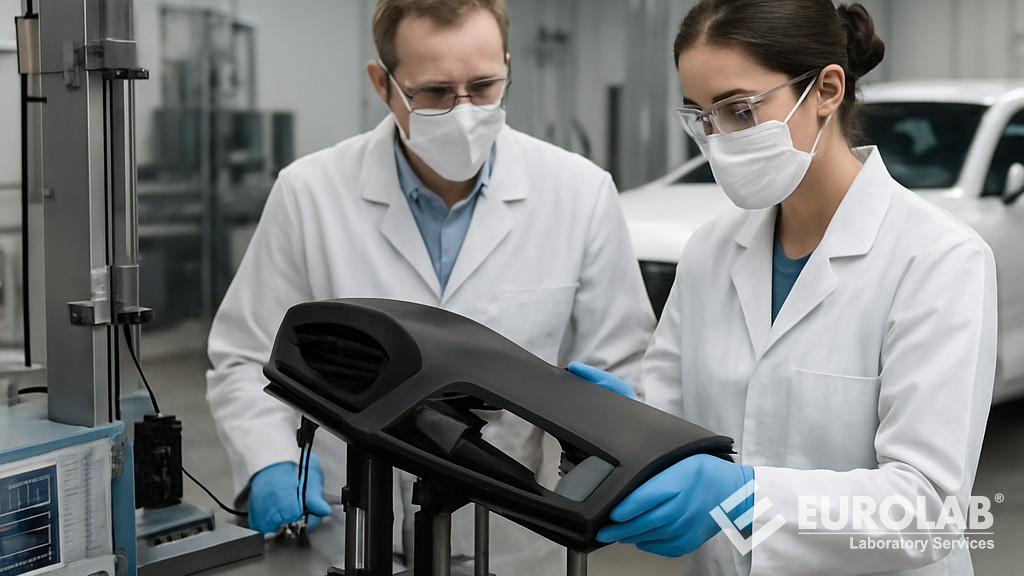
This standard primarily applies to trim, decorative elements, and composite systems in passenger car interiors, such as instrument panel components, door panels, steering wheels, center consoles, and other visible or functional interior surfaces made of plastics, veneers, laminates, or multi-material composites. This specification ensures that these interior parts meet high standards of durability, appearance, and resistance to daily use throughout the vehicle's lifespan.
This standard covers:
The DBL 9202 standard is closely related to (but differs from) other Mercedes-Benz standards such as DBL 7384, which focuses more on coated plastic parts, and DBL 1302, which deals with coatings for interior plastics. The DBL 9202 standard generally applies to higher-end or more complex decorative systems.
This standard includes a wide variety of test methods (typically referring to international standards such as ISO, DIN, or ASTM) to verify compliance. Common sections and typical tests include:
The main parties that need this standard are:
In short, the DBL 9202 standard is a Daimler-specific technical standard developed for the automotive industry. It is not part of the ISO international standards system, but is a corporate standard used by Daimler, now part of the Mercedes-Benz Group, to define requirements and test methods for decorative and functional trim components in vehicle interiors.
The DBL 9202 standard sets out how interior decorative parts should be delivered and how they should perform under various conditions specified by the manufacturer. This includes environmental, mechanical, and material durability criteria to ensure long-term performance and appearance in vehicles.
The purpose of the DBL 9202 standard is to ensure that decorative and interior trim parts, such as plastic moldings, trims or surface coatings, meet Daimler's quality expectations before being installed on vehicles. The standard typically includes:
These simulate real-world conditions that the parts will encounter throughout the vehicle's lifespan.
The DBL 9202 standard is widely used by automotive suppliers and testing laboratories for the following purposes:
The DBL 9202 standard is not a simple document, but a comprehensive set of delivery instructions and test methods. The sections of this standard typically include:
In vehicles, this standard plays a central role in ensuring quality consistency across the thousands of internal components that must withstand daily use and environmental influences.
In conclusion, the DBL 9202 standard is Daimler's delivery and testing standard for interior decorative and functional components, incorporating environmental, mechanical, and chemical testing to ensure quality and durability. It forms a vital part of the automotive supply chain's compliance and testing ecosystem, ensuring parts are suitable for use under demanding real-world conditions.
For many years, our organization, with its competent and experienced team, has been understanding the needs of its clients, providing the advanced testing services they require, and assisting them in the establishment, implementation, and improvement of management systems. Within this framework, we also provide testing services compliant with the DBL 9202 standard.
To get an appointment, to get more detailed information or to request an evaluation, you can ask us to fill in our form and reach you.

