

The “Q/SQR T1-7-2013 Xenon Arc Lamp Continuous Irradiation Test for Interior Upholstery of Automobiles” standard, developed by Chery Automobile, one of China's leading global automobile brands, describes the xenon arc lamp continuous irradiation test method for upholstery (including plastic parts, rubber parts, fabric linings, leather products, paint coatings, and composite structural parts) in the interior of automobiles.
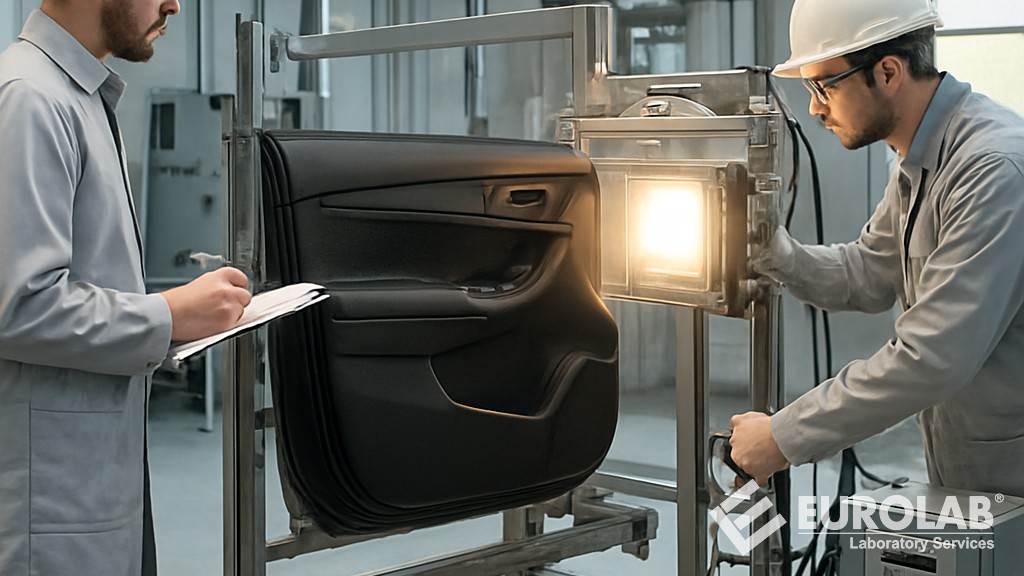
In the rapidly evolving automotive manufacturing world, ensuring the longevity and quality of vehicle interiors is of paramount importance. One specific standard playing a key role in this area is the Q/SQR T1-7-2013 standard. This standard focuses on durability testing of interior upholstery under artificial light. By providing manufacturers with rigorous protocols to simulate real-world environmental stresses, it helps prevent issues such as fading, cracking, or discoloration in vehicle components like instrument panels, door panels, and seat upholstery. As vehicles increasingly incorporate more advanced materials and designs, Q/SQR T1-7-2013 and similar standards ensure compliance with global quality criteria, reducing warranty claims and increasing customer satisfaction.
Corporate standards, generally beginning with the prefix “Q/SQR”, represent internal quality and safety requirements tailored to production processes. These standards are an integral part of Chery’s quality system requirements framework, which is compliant with international norms for automotive quality management such as ISO/TS 16949.
The Q/SQR T1-7-2013 standard was designed in response to the increasing demand for environmentally friendly and durable interiors, driven by global regulations regarding material safety and UV resistance. Building on previous protocols, this standard incorporates advancements in accelerated aging testing to simulate years of exposure in just a few weeks. Unlike broader standards from organizations such as SAE or ISO, this standard generally serves as a reference for suppliers within their ecosystems. It emphasizes controlled testing to assess the durability of interior coverings against artificial light, a common cause of premature deterioration in sunny climates.
The primary focus of the Q/SQR T1-7-2013 standard is the durability assessment of vehicle interior upholstery exposed to artificial light. This includes:
This standard applies to all stages of production, from raw material qualification to final assembly approval. Suppliers must confirm compliance and ensure uniformity across various models in order to supply components to Chery.
The Q/SQR T1-7-2013 standard mandates the use of a xenon arc aging test device, an advanced instrument that more accurately simulates sunlight than conventional carbon arc lamps. The basic steps of this method are as follows:
Failure in any criterion triggers redesign or rejection. This standard also specifies reporting formats, including pre- and post-test photographic evidence.
The Q/SQR T1-7-2013 standard demonstrates how original equipment manufacturers like Chery implement rigorous quality controls in a globally competitive environment. By standardizing light durability testing, it minimizes defects that could result from inconsistent supplier practices. For example, in Middle Eastern countries where Chery has a strong market, faded interiors are a major complaint, and this standard directly addresses this issue.
The broader implications of this standard include:
For many years, our organization, with its competent and experienced staff, has been understanding the needs of its clients, providing the advanced testing services they require, and assisting in the establishment, implementation, and improvement of management systems. Within this framework, we also provide testing services to businesses in accordance with the "Q/SQR T1-7-2013 Xenon arc lamp continuous irradiation test for interior upholstery of automobiles" standard.
To get an appointment, to get more detailed information or to request an evaluation, you can ask us to fill in our form and reach you.

