

The “BMW AA N 067 Determination of Bending Stiffness” standard, developed by BMW, a multinational vehicle manufacturer, describes an internal test method for evaluating the bending stiffness of materials and components used in vehicles. This standard is part of BMW’s comprehensive series of specifications covering material and component testing requirements, primarily for automotive interior and exterior parts. These are typically applied to non-metallic materials such as textiles, leather, plastics, composites, upholstery, and trim, ensuring they meet durability, comfort, and quality criteria in BMW vehicles.
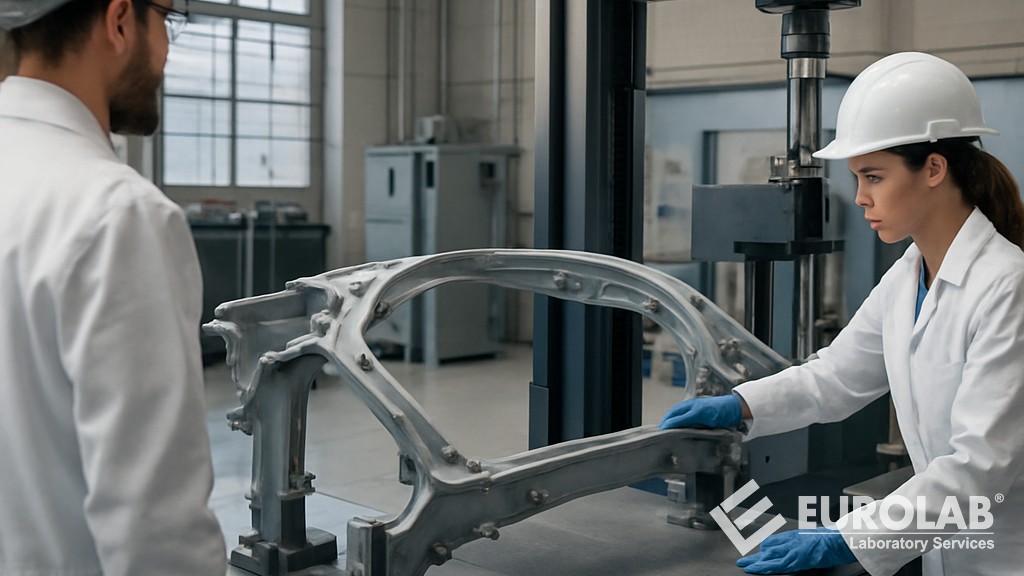
The purpose of this standard is to measure how resistant a material is to bending or deformation under applied force. This is crucial for components such as seat covers, headliners, door panels, carpets, or other flexible interior elements where stiffness affects perceived quality, handling during installation, durability over time, and resistance to wrinkling or sagging.
Typical applications of this standard include:
This standard is included alongside the following BMW AA series tests:
Material standards, such as the BMW AA N 067 standard, help maintain consistent quality among global suppliers. This ensures parts withstand real-world conditions (temperature variations, mechanical stress, aging) while meeting superior expectations for ride comfort and longevity.
This standard is actually based on the “DIN 53121 Paper and cardboard tests - Determination of bending stiffness by beam method” standard published by the German Institute for Standardization (DIN). This standard is an industry standard used to determine the bending stiffness of materials using the two-point or cantilever method.
The BMW AA N 067 standard is required because it directly impacts the perceived quality, functionality, durability, and long-term performance of interior materials in premium vehicles.
In automotive interiors, materials such as fabrics, artificial leather, genuine leather, non-woven fabrics, carpets, headliner underlays, door panel fabrics, seat covers, or velvet surfaces are not primarily structural, but still require controlled mechanical behavior. Specifying bending stiffness is considered important for the following reasons:
Low or inconsistent bending stiffness can lead to:
This test helps ensure that the materials resist deformation and maintain their shape under these conditions.
BMW uses this test to establish acceptance limits tailored to the role of each part, typically in accordance with DIN 53121 methods such as cantilever or two-point bending.
In short, the bending stiffness at the material level, as defined by this standard, makes a critical contribution to why a BMW interior feels more luxurious, durable, and refined than many of its competitors (even after years of use).
For many years, our organization, with its competent and experienced staff, has been understanding the needs of its customers, providing the advanced testing services they require, and assisting them in the establishment, implementation, and improvement of management systems. Within this framework, we also provide testing services in accordance with the BMW AA N 067 standard.
To get an appointment, to get more detailed information or to request an evaluation, you can ask us to fill in our form and reach you.

