

The standard "Renault D25 1324 Resistance of electrolytic coatings on plastic parts during thermal cycling," developed by the French automobile company Renault, describes the operating conditions to be observed when assessing the resistance of electrolytic metal coatings on a plastic substrate to thermal cycling. This standard applies to plastic parts coated with metal coatings installed inside or outside a vehicle.
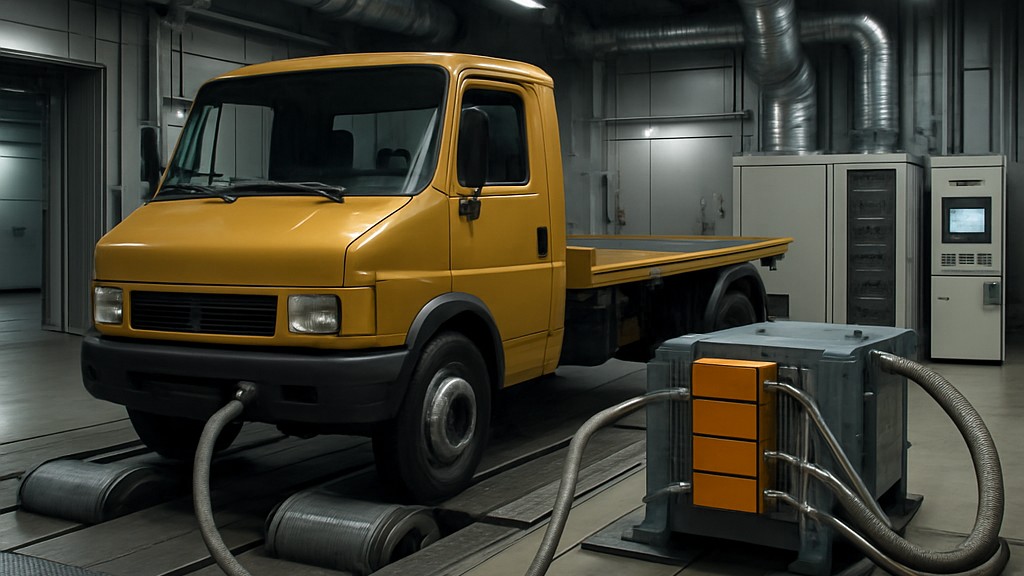
In principle, the sample or part under examination is exposed to sudden temperature changes under predetermined conditions and any damage to the coating is assessed.
The following rooms are used in the tests:
The following steps are generally followed in the tests:
Any defects that may change the appearance of the part, such as cracks, wrinkles, loss of coating adhesion, plastic support fracture, and the cycle in which these defects occur, should be stated in the test report.
In the competitive world of automotive manufacturing, ensuring the longevity and reliability of vehicle components is crucial. Renault, a leading European automaker, implements a comprehensive suite of engineering standards to validate material performance under extreme conditions. These include the Renault D25 1324 standard, a specialized test protocol focused on the behavior of electrolytic coatings on plastic surfaces during thermal cycling.
The Renault D25 1324 standard is a standardized test procedure within Renault's D25 series. This series primarily addresses the evaluation of coatings, paints and surface treatments for automotive applications.
This standard specifically targets electrolytic coatings, which are thin metallic layers deposited by electroplating onto plastic components, such as chrome or nickel coatings, used for both aesthetic and functional purposes. These coatings improve corrosion resistance, reflectivity, and durability, but can be sensitive to thermal expansion mismatches between the plastic substrate and the metal layer. The D25 1324 standard simulates repeated temperature fluctuations to evaluate how well these coatings adhere and perform over time, preventing issues such as cracking, peeling, or delamination in real-world use. As part of Renault's broader quality framework, the D25 1324 standard ensures that coated plastics can withstand the rigors of automotive environments, from freezing winters to scorching summers.
The primary objective of the Renault D25 1324 standard is to evaluate the thermal stability and adhesion integrity of electrolytic coatings under cyclic stress. By exposing samples to alternating hot and cold conditions, the test reduces the risk of in-service defects by identifying potential failure points early in the development process.
The main applications in the automotive industry are:
This standard is particularly vital for electric vehicles, where battery thermal management systems can create additional heat cycles, placing stress on coated components.
The Renault D25 1324 standard uses a controlled and repeatable protocol to simulate environmental thermal stresses. The general procedure involves a series of steps:
Acceptance criteria are stringent. To pass the test, coatings must have at least 90-95 percent adhesion and show no visible defects. Failures are typically caused by inadequate substrate pretreatment or incompatible coating chemicals.
Testing time can range from days to weeks depending on the number of cycles, making it a time-consuming but invaluable tool for material optimization.
The Renault D25 1324 standard significantly contributes to the industry's drive toward sustainable, high-performance vehicles. By verifying coating durability, it minimizes warranty claims related to aesthetic defects, which are estimated to cost automakers millions of dollars annually, and supports efforts to reduce vehicle weight for improved fuel efficiency with plastic-metal hybrids.
This standard ensures consistent quality across all Renault models. It also facilitates global supply chain integration. It also aligns with and interoperates with international standards such as salt spray testing (ISO 9227) or electrolytic chrome plating (ASTM B456). With the proliferation of electric vehicles, this standard's focus on thermal resistance will become increasingly important for battery housings and charging port coatings.
Ultimately, the Renault D25 1324 standard demonstrates the automotive manufacturer's commitment to engineering excellence by protecting electrolytic coatings against the demanding thermal cycles of automotive life. By rigorously testing adhesion and stability, this standard not only enhances component reliability but also strengthens consumer confidence in the enduring appeal of Renault vehicles. As thermal management challenges increase with electrification, standards like Renault D25 1324 will remain indispensable.
Our organization, which has been serving for many years and meticulously following global developments in science and technology, employs a skilled team and extensive infrastructure to conduct testing, measurement, and analysis in a wide range of areas for businesses across all sectors. In this context, we also provide testing services in accordance with the Renault D25 1324 standard for "Resistance of electrolytic coatings on plastic parts during thermal cycles."
To get an appointment, to get more detailed information or to request an evaluation, you can ask us to fill in our form and reach you.

