SES N 3302 Sealing Materials
The “SES N 3302 Sealants” standard, developed by Suzuki Motor Corporation under the supplementary SES N standards (examples), describes the requirements, test methods, and performance criteria for sealants used in vehicle manufacturing. Sealants are vital in modern vehicles for preventing leaks, ensuring durability, corrosion resistance, and structural integrity.
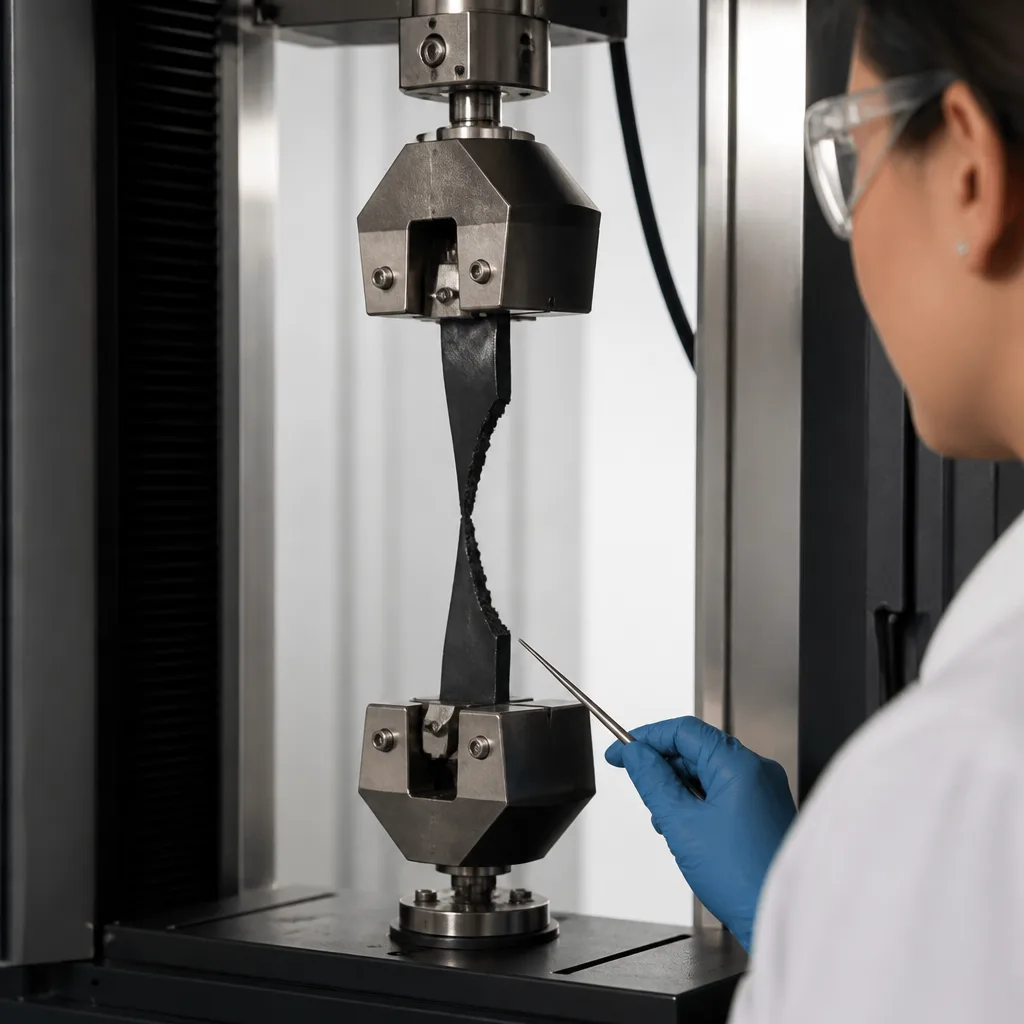
Sealing materials are widely used in the automotive industry to prevent leaks, provide protection against environmental damage, and enhance durability and comfort. Their use isn't simply about filling gaps; they are carefully selected and applied to meet stringent performance and manufacturing requirements.
Sealing materials are generally used in vehicles in the following areas:
- Body sealing (vehicle body): Applied to the weld seams and joints of the vehicle body. Prevents water ingress, dust ingress, and air leaks. Typical areas include: roof seams, door frames, and trunk joints.
- Interior and exterior components: Used between panels and trim pieces. Seals gaps between plastic and metal parts and interior modules. Eliminates squeaks and rattles (NVH improvement). Enhances cabin comfort.
- Glass bonding and sealing: Sealing materials (usually polyurethane) are used for windshield assembly and for rear and side windows. They prevent water leakage, contribute to structural integrity, and improve passenger safety.
- Engine compartment: Used in high-temperature areas. Must be resistant to oil, fuel, and heat.
- Underbody and corrosion protection: Used on base panels, wheel arches, and chassis connections. Provides protection against salt, water, and stone impacts.
Sealing materials are applied using automated systems:
- Robotic delivery:
- Precision strip application
- Consistent thickness
- Manual application:
- For complex or repair areas
- Spray or extrusion methods
Sealing materials must perform under demanding conditions:
- Adhesion: Adheres to metal, plastic, and painted surfaces.
- Flexibility: Absorbs vibration and movement.
- Waterproof: Prevents leaks.
- Chemical resistance: Resistant to oil and fuel.
- Temperature resistance: Operates between -40 degrees and +120 degrees (or higher).
The main types of sealants used are as follows:
- Polyurethane (PU):
- Strong adhesion
- Used in glass bonding.
- Silicone:
- High temperature resistance
- Used in engine applications.
- Modified silane polymer:
- Flexible and paintable.
- Suitable for indoor and outdoor use.
- Butyl rubber:
- Excellent waterproofing.
- Used in non-structural sealing.
The basic application steps for sealants are as follows:
- Surface preparation:
- Cleaning (removing oil and dust)
- Sometimes lining
- Sealant application:
- Applied in strips or layers.
- Controlled thickness
- Tooling / shaping:
- It is flattened or spread out if necessary.
- Curing:
- Curing by air, curing by moisture, or curing by heat.
- It provides a flexible, durable seal.
In short, the use of sealants in automotive manufacturing is a precisely controlled process involving the correct selection, surface preparation, and application techniques. These materials are essential for: leak prevention, corrosion protection, noise reduction, and structural performance.
The SES N 3302 standard covers sealants typically used in the following areas:
- Body joints and seams
- Internal and external bonding areas
- Engine compartment sealing
- Lower body and corrosion protection zones
This standard defines the following:
- Material composition requirements
- Physical and chemical performance
- Environmental resistance
- Application and curing behavior
Sealing materials are polymeric materials applied to fill gaps, prevent liquid or air leakage, and provide protection against environmental effects.
The SES N 3302 standard describes the following basic performance requirements:
- Adhesion strength: Sealants must adhere strongly to:
- Metals (steel, aluminum)
- Plastics
- Painted surfaces
- Flexibility and bendability:
- It must accommodate vibration and thermal expansion.
- It must prevent cracking under tension.
- Water and air tightness: It must provide a watertight seal against:
- Rainwater inlet
- Dust penetration
- Air leak
- Chemical resistance: Sealants must be resistant to the following:
- fuels
- oils
- Cleaning chemicals
- Temperature resistance:
- Performance across a wide temperature range.
- There should be no disruption in heat or cold cycles.
The SES N 3302 standard typically includes the following laboratory and environmental tests:
- Adhesion test (peel/shear strength)
- Aging tests (heat, humidity, UV exposure)
- Chemical resistance tests
- Elastic recovery tests
- Salt spray / corrosion exposure tests
These tests ensure the sealant will perform reliably for the entire lifespan of the vehicle.
Sealing materials defined under the SES N 3302 standard are widely used in the automotive industry in the following areas:
- Internal sealing (welding seams, joints)
- Windscreen and glass bonding
- Door and trunk sealing areas
- Lower body protection
It also contributes to the following:
- Vehicle durability
- Noise, vibration and harshness (NVH) reduction
- Passenger comfort
- Yapısal bütünlük
The SES N 3302 standard is considered important for the following reasons:
- Prevents leakage failures: Without suitable sealing materials,
- Water ingress can damage electronic components.
- Air leaks reduce HVAC efficiency.
- Enhances corrosion protection: Sealing materials protect metal joints from moisture and salt exposure.
- Extends vehicle lifespan: Proper sealing ensures the following:
- Longer service life
- Reduced maintenance costs
- It supports quality standardization: This standard ensures the following:
- Consistent material performance.
- Supplier quality control
- Compliance with original equipment manufacturer specifications.
The SES N 3302 standard is commonly used in conjunction with the following:
- Adhesive standards (e.g., SES N 3301)
- Corrosion resistance standards
- Weather resistance tests
Together, these standards form a complete materials validation system in automotive engineering.
In conclusion, the SES N 3302 standard plays a significant role in controlling the quality and behavior of sealing materials, particularly in the following areas:
- Preventing leaks
- Strengthening corrosion protection
- Improving overall vehicle reliability.
For many years, our organization, with its competent and experienced team, has been understanding the needs of its clients, providing the advanced testing services they require, and assisting them in the establishment, implementation, and improvement of management systems. Within this framework, we also provide testing services compliant with the SES N 3302 standard.



