

The “Ford FLTM BI 157-06 High-Performance Stone Impact Resistance Test” standard, developed by Ford Motor Company (Ford), describes a test method used to evaluate how well automotive coatings (paint systems and similar surface coatings) resist stone impact and gravel impact under high-speed conditions.
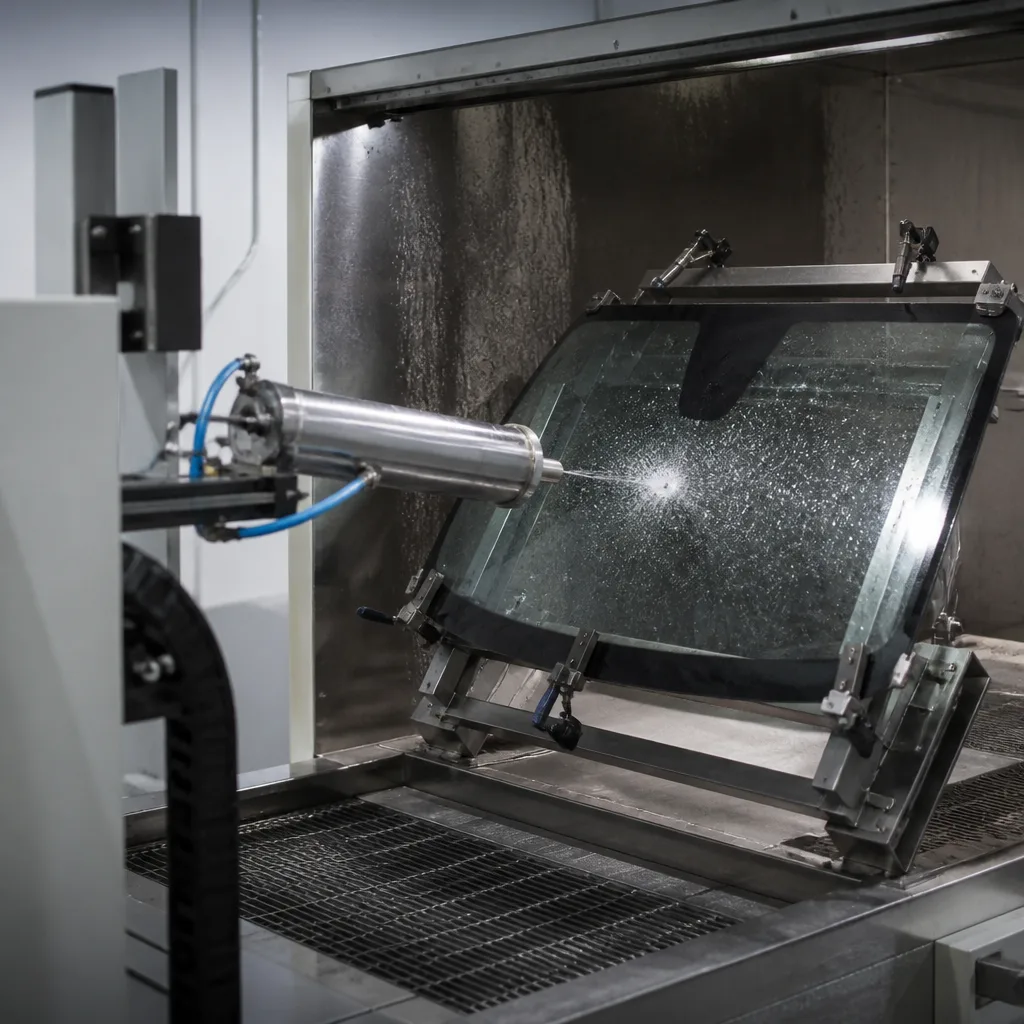
The primary purpose of the Ford FLTM BI 157-06 standard is to measure the following:
This test method simulates what happens when vehicles are exposed to the following:
This standard uses a controlled multi-impact or gravel bombardment system (commonly referred to as a gravel gauge or multi-sand tester). Generally, the testing process follows these steps:
This new grading scale feature of the Ford FLTM BI 157-06 standard means that results are standardized, allowing different suppliers and laboratories to consistently compare performance.
This standard is widely used in the automotive industry in the following areas:
The Ford FLTM BI 157-06 standard is generally used in conjunction with, or is compatible with, the following standards:
The Ford FLTM BI 157-06 standard is important because it helps ensure that automotive coating systems can withstand stone and gravel impacts encountered during normal vehicle use. Exterior paint damage is not just a cosmetic issue; it can also affect long-term durability and corrosion protection. Here are the key reasons why this standard is considered important:
These materials can strike painted surfaces at high speeds, causing scratches and surface damage. This standard helps manufacturers maintain the vehicle's appearance for its lifespan by evaluating a coating's resistance to such impacts.
This standard verifies stone chip resistance, helping to ensure that coating systems continue to protect vehicle bodies against corrosion.
This standard evaluates how well these layers work together under impact conditions. Poor adhesion between layers can lead to peeling or delamination after stone impacts.
This helps encourage continuous improvements in vehicle surface protection.
Using a common testing method ensures consistent quality across different suppliers and production sites.
Tests conducted according to this standard help identify weaknesses in vehicles before they go into production, reducing long-term costs.
This allows for a realistic assessment of coating performance, rather than relying solely on laboratory adhesion or hardness tests.
In short, the Ford FLTM BI 157-06 standard is a critical automotive paint durability test that simulates stone chip damage on vehicle surfaces. This standard ensures that coatings used on Ford vehicles can withstand harsh road conditions, protect underlying materials from corrosion, and maintain long-term appearance quality.
This standard is important because it verifies the resistance of automotive coatings to stone chip damage under harsh service conditions, and helps protect vehicle appearance, prevent corrosion, increase coating durability, ensure supplier quality, and improve customer satisfaction. In short, it plays a significant role in overall vehicle durability and quality assurance programs.
For many years, our organization, with its competent and experienced staff, has been understanding the needs of its customers, providing the advanced testing services they require, and assisting them in the establishment, implementation, and improvement of management systems. Within this framework, we also provide testing services compliant with the Ford FLTM BI 157-06 standard.
To get an appointment, to get more detailed information or to request an evaluation, you can ask us to fill in our form and reach you.

